

It’s a targeted rehabilitation program designed to reduce pain, restore mobility, rebuild strength, and improve balance after a fall-related injury, helping you safely return to normal activity.

Slip and Fall Injury
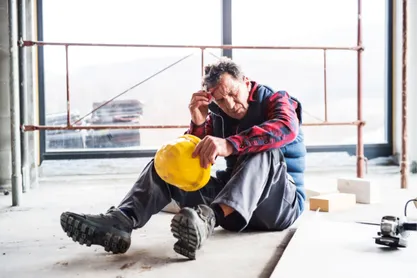

Slip and Fall Injury
Slip and fall injury rehabilitation in Etobicoke to relieve pain, restore mobility, and support safe, confident recovery through personalized physiotherapy.
Slip and Fall Injury Physiotherapy in Etobicoke
Recover Safely. Relieve Pain. Rebuild Confidence in Every Step.
A slip and fall can happen in seconds — an icy sidewalk in winter, a wet floor at work, a loose rug at home — but the pain, stiffness, and uncertainty it leaves behind can last for weeks or months if it isn’t treated properly. If you’re searching for slip and fall injury physiotherapy in Etobicoke, you’re likely dealing with sore joints, bruising, limited movement, or a nagging fear of falling again. You’re not alone, and you don’t have to manage it without guidance.
At Rapharehab, our Etobicoke physiotherapy team specializes in helping people recover fully from slip and fall injuries — from minor sprains to more complex musculoskeletal trauma. This page walks you through everything you need to know: why these injuries happen, the warning signs you shouldn’t ignore, how physiotherapy treatment works, what recovery actually looks like, and how to prevent it from happening again.
Understanding Slip and Fall Injuries in Etobicoke
A slip and fall injury occurs when a sudden loss of footing causes the body to twist, brace, or strike the ground with force it wasn’t prepared for. Because the fall happens instantly, the body rarely has time to protect itself properly — which is why even a “small” trip can cause a sprained ankle, a strained back, or a jarred shoulder.
In Etobicoke, slip and fall accidents are especially common during the winter months, when icy sidewalks, snow-covered parking lots, and slushy building entrances create hazardous walking conditions. But falls aren’t only a winter problem — wet bathroom floors, uneven walkways, cluttered stairwells, loose flooring, and poorly lit hallways cause falls year-round, at home, at work, and in public spaces.
Common causes of slip and fall injuries include:
- Ice, snow, or slush on outdoor walkways and parking areas
- Wet or freshly mopped floors without warning signs
- Uneven pavement, potholes, or broken curbs
- Loose rugs, cables, or cluttered walkways at home
- Poor lighting on stairs or entryways
- Worn or unsuitable footwear
- Balance or mobility issues, especially in older adults
Regardless of the cause, the outcome is the same — sudden, uncontrolled force through your joints, muscles, and spine. Left untreated, even a mild fall injury can develop into chronic pain, muscle imbalance, or long-term mobility restrictions. This is why early physiotherapy assessment matters, even if the injury initially feels manageable.
Signs You Need Physiotherapy After a Fall
Many people brush off a fall as “just a bruise” and wait to see if it heals on its own. The problem is that soft-tissue and joint injuries don’t always show their full impact right away — pain and stiffness can build up over the days that follow. Consider booking a physiotherapy assessment in Etobicoke if you notice any of the following after a slip and fall:
- Pain, swelling, or bruising that hasn’t improved after a few days
- Stiffness or reduced range of motion in your neck, back, shoulder, hip, knee, or ankle
- Difficulty bearing weight, walking, or climbing stairs
- Sharp or shooting pain when bending, twisting, or reaching
- A feeling of instability, weakness, or your joint “giving way”
- Headaches, dizziness, or difficulty concentrating (possible signs of concussion)
- Ongoing discomfort that limits your ability to work, sleep, or do daily tasks
- Fear or hesitation about walking on stairs or uneven ground since the fall
If any of these sound familiar, waiting it out often makes recovery longer and more complicated. A physiotherapist can identify exactly what’s injured, how severe it is, and the safest path back to full function.
Common Slip and Fall Injuries We Treat
Slip and fall accidents can affect almost any part of the body. At Rapharehab, our Etobicoke physiotherapy team regularly treats:
- Ankle sprains — ligament damage from the foot twisting on impact
- Wrist and hand injuries — common when a person instinctively braces their fall with an outstretched arm
- Shoulder injuries — strains, impingement, or rotator cuff irritation from bracing or direct impact
- Hip and knee injuries — bruising, ligament strain, or joint stiffness from landing hard
- Low back pain — muscle strain or disc irritation from the sudden jolt of a fall
- Neck pain and whiplash-like injuries — from the head snapping forward or sideways during impact
- Bruising and soft-tissue damage — deep tissue trauma that can restrict movement even without a fracture
- Fractures and post-immobilization stiffness — physiotherapy to restore strength and motion once a cast or brace comes off
- Concussion or post-fall dizziness — evaluated and managed with appropriate, individualized care
Every fall is different, and so is every recovery plan. Our physiotherapists assess the full picture — not just the obvious injury — because falls often cause secondary strain in areas that compensate for the primary injury.
Our Slip and Fall Physiotherapy Treatment Approach
No two slip and fall injuries are identical, so your treatment plan at Rapharehab is never a one-size-fits-all template. It begins with a detailed physical assessment to understand your injury, your pain patterns, your mobility limits, and your recovery goals. From there, your physiotherapist builds a progressive plan using a combination of the following techniques.
Manual Therapy & Joint Mobilization
Hands-on techniques that ease stiffness, reduce joint restriction, and help restore natural, pain-free movement in the affected area.
Soft Tissue Release
Targeted release techniques to reduce muscle tension, break down bruising and adhesions, and ease discomfort in strained or impacted tissue.
Strength & Stability Training
Progressive exercises that rebuild the muscular support around your hips, knees, ankles, shoulders, and spine — the areas most commonly weakened after a fall.
Balance & Fall-Prevention Training
Specific drills that retrain your proprioception (your body’s sense of position and balance) to reduce your risk of falling again, especially important for older adults and anyone with lingering instability.
Gait Training & Walking Re-Education
Correcting the small compensations — limping, shortened stride, uneven weight distribution — that develop after a fall so you can walk confidently and without strain.
Mobility & Stretching Exercises
Guided stretching to restore comfortable, full-range movement in joints that have stiffened from pain, bracing, or inactivity.
Pain & Swelling Management
Using modalities such as heat therapy, cold therapy, laser therapy, and electrotherapy to manage acute pain and inflammation in the early stages of recovery.
Functional Training
Practice with real-world movements — bending, lifting, getting up from the floor, climbing stairs — so your recovery translates directly into everyday confidence, not just clinic performance.
Your program progresses at a pace matched to your comfort, pain levels, and healing stage, always guided by evidence-based physiotherapy practice.
What Recovery Looks Like: Timeline & Stages
One of the most common questions we hear is: “How long does it take to recover from a slip and fall injury?” The honest answer is that it depends on the injury’s severity, your overall health, and how quickly treatment begins — but most slip and fall recoveries at Rapharehab follow a similar pattern:
Stage 1 — Acute Phase (Days 1–7): Focus is on reducing pain, swelling, and protecting the injured area. Gentle movement, pain management modalities, and guidance on safe daily activity begin here.
Stage 2 — Early Rehabilitation (Week 2–4): As pain settles, treatment shifts toward restoring range of motion, gently reactivating muscles, and correcting any compensatory movement patterns.
Stage 3 — Strength & Function (Week 4–8): This stage builds strength, stability, and endurance in the injured area, along with balance training to reduce fall risk going forward.
Stage 4 — Return to Full Activity (Week 6 onward, injury-dependent): Functional training prepares you for work, sport, or daily life demands, with a final focus on confidence and long-term injury prevention.
Most patients notice measurable improvement within the first few sessions, though full recovery timelines vary — minor sprains may resolve in a few weeks, while more significant injuries or fractures can take several months of guided rehabilitation.
Who Is Most at Risk? Falls in Etobicoke, By Situation
Slip and fall injuries don’t discriminate by age or lifestyle, but certain situations increase the risk — and each one benefits from a slightly different rehab focus.
Winter and icy-sidewalk falls: Etobicoke winters bring ice, black ice, and slush that catch even careful walkers off guard. These falls often cause hip, wrist, and back injuries from instinctive bracing.
Workplace slip and fall injuries: Wet floors, cluttered storage areas, and uneven surfaces on the job can lead to injuries that affect your ability to work. Physiotherapy supports a safe, structured return-to-work plan.
Falls at home: Bathrooms, stairs, and cluttered walkways are common fall sites, particularly for older adults or anyone recovering from a previous injury or surgery.
Falls affecting seniors: Balance, muscle strength, and reaction time naturally decline with age, making falls more frequent and often more serious. Senior fall prevention physiotherapy focuses heavily on balance retraining and strength building to reduce future risk.
Falls during sport or recreational activity: Uneven trails, wet gym floors, or sudden changes in direction can cause fall-related sprains and strains requiring the same structured rehab approach.
Whatever the circumstance of your fall, our Etobicoke physiotherapists tailor your assessment and treatment plan to your specific situation, lifestyle demands, and recovery goals.
Fall Prevention & Balance Training
Recovering from your current injury is only half the goal — preventing the next fall is just as important. Once your pain and mobility have improved, your physiotherapist will introduce a fall-prevention component to your program, which may include:
- Balance and proprioception training on stable and unstable surfaces
- Lower-body and core strengthening to improve stability
- Gait and walking pattern correction
- Education on footwear, home hazards, and safe movement habits
- Guidance on managing icy or uneven conditions common in Etobicoke winters
This proactive approach is especially valuable for older adults, individuals with a history of repeated falls, or anyone whose confidence has been shaken since their injury.
Benefits of Slip and Fall Injury Rehab at Rapharehab
A structured physiotherapy program after a slip and fall helps you:
- Heal faster with guided, progressive rehabilitation
- Reduce pain, swelling, and stiffness safely
- Improve movement, flexibility, and joint function
- Strengthen the muscles that protect you from future falls
- Rebuild balance, stability, and coordination
- Regain confidence in daily activities, work, and mobility
- Prevent minor injuries from developing into chronic, long-term pain
Why Choose Rapharehab for Slip and Fall Injury Rehabilitation in Etobicoke
When you choose Rapharehab for your slip and fall recovery, you’re working with a team that treats the whole picture, not just the obvious injury. Here’s what sets our Etobicoke clinic apart:
- Experienced physiotherapists who specialize in injury recovery and post-fall rehabilitation
- Thorough, root-cause assessments rather than generic treatment templates
- Personalized treatment plans matched to your injury type, severity, and lifestyle
- Evidence-based techniques for safe, effective, and measurable recovery
- Education on posture, balance, and fall prevention so you leave stronger than before
- A supportive, comfortable clinic environment at 5–4335 Bloor Street West, Etobicoke
- Flexible scheduling to fit recovery around work and family life
Our goal isn’t just pain relief — it’s a complete, confident return to the activities that matter to you.
Insurance, Cost & What to Bring
Many extended health benefit plans include coverage for physiotherapy following an injury such as a slip and fall — coverage amounts and eligibility vary by provider and plan, so we recommend checking with your insurer beforehand. Our front-desk team can help you understand direct billing options where available. For your first visit, it’s helpful to bring:
- Your health insurance or benefits card (if applicable)
- Any medical reports, X-ray results, or referral notes related to your fall
- A list of current medications
- Comfortable clothing that allows easy movement of the injured area
If you’re unsure whether your situation qualifies for coverage, our team is happy to help you figure out the next steps before your first appointment.
Start Your Recovery Today
Slip and fall injuries may seem minor at first, but without proper physiotherapy care they can develop into chronic pain, restricted mobility, or a heightened risk of falling again. The sooner you begin treatment, the smoother and faster your recovery is likely to be.
Our Etobicoke physiotherapy team is ready to assess your injury, build a personalized recovery plan, and guide you back to safe, confident movement.
Book your slip and fall injury assessment at Rapharehab today and experience why we’re a trusted provider of slip and fall injury physiotherapy in Etobicoke.
 Call 647-722-3434 |
  5 – 4335 Bloor Street West, Etobicoke, M9C 2A5
Frequently Asked Questions
-
What is slip and fall injury physiotherapy?
-
When should I see a physiotherapist after a slip and fall?
Ideally within the first few days of your injury. Early assessment helps prevent minor issues from becoming chronic and allows treatment to begin while your body is still in the early healing stage.
-
Do I need a doctor’s referral to start physiotherapy in Etobicoke?
In most cases, no. Physiotherapists in Ontario are primary healthcare practitioners, meaning you can typically book an assessment directly without a physician referral.
-
What are the most common injuries from a slip and fall?
Ankle sprains, wrist and hand injuries, shoulder strains, hip and knee trauma, low back pain, neck pain, bruising, and in some cases fractures or concussion.
-
How long does recovery from a slip and fall injury take?
It depends on severity — minor sprains often improve within a few weeks, while more serious injuries or fractures can take several months of structured rehabilitation.
-
Can physiotherapy help even if I didn’t break a bone?
Yes. Soft-tissue injuries, sprains, and strains often cause ongoing pain and reduced mobility even without a fracture, and physiotherapy is highly effective for these injuries.
-
What happens during my first physiotherapy assessment?
Your physiotherapist reviews your injury history, assesses your pain, movement, strength, and balance, and builds a personalized treatment plan based on your findings and goals.
-
Will physiotherapy be painful?
Treatment is adjusted to your comfort level. Some techniques may cause mild, temporary discomfort, but your physiotherapist will always work within a safe, tolerable range.
-
What should I wear to my physiotherapy appointment?
Loose, comfortable clothing that allows easy access to the injured area and freedom of movement for exercises and assessment.
-
Can slip and fall injuries lead to chronic pain if untreated?
Yes. Untreated injuries can develop compensatory movement patterns, muscle imbalances, and joint stiffness that contribute to long-term or chronic pain.
-
Does Rapharehab treat both minor and severe slip and fall injuries?
Yes, our physiotherapists manage everything from mild sprains and bruising to more complex injuries, including post-fracture and post-immobilization rehabilitation.
-
What is balance and fall-prevention training?
It’s a set of targeted exercises that improve stability, coordination, and reaction time, helping reduce your risk of falling again in the future.
-
Are slip and fall injuries more common in winter?
Yes, icy sidewalks, snow-covered parking lots, and slush around building entrances significantly increase fall risk during Etobicoke winters.
-
Can seniors benefit from slip and fall physiotherapy?
Absolutely. Older adults often benefit most from balance retraining and strength-building, which directly reduces the risk of future falls.
-
What if my slip and fall happened at work?
Physiotherapy can support your recovery and help build a safe, structured plan for returning to your job duties following a workplace fall.
-
How many physiotherapy sessions will I need?
This varies by injury and severity. Some patients recover in a handful of sessions, while more complex injuries require an extended, progressive program.
-
Is physiotherapy covered by insurance in Ontario?
Many extended health benefit plans include physiotherapy coverage, though amounts vary by provider. Our team can help you understand your options and direct billing where available.
-
Can physiotherapy help with dizziness after a fall?
If dizziness or headaches occur after a fall, it’s important to be assessed for possible concussion. Physiotherapy can help manage related symptoms as part of an appropriate care plan.
-
What techniques are used in slip and fall rehab?
Common techniques include manual therapy, soft tissue release, strength and stability training, gait re-education, mobility exercises, and pain-management modalities like heat, cold, and laser therapy.
-
Will I get exercises to do at home?
Yes. Most treatment plans include a home exercise program to reinforce your clinic sessions and support faster, more consistent recovery.
-
What happens if I ignore a slip and fall injury?
Ignoring pain or stiffness can allow the injury to worsen, leading to compensatory strain elsewhere in the body and a longer, more complicated recovery.
-
How is Rapharehab different from other Etobicoke physiotherapy clinics?
We combine detailed root-cause assessment, personalized treatment planning, evidence-based techniques, and fall-prevention education to support complete, lasting recovery — not just temporary pain relief.