

Shiatsu is a Japanese bodywork therapy that uses finger, thumb, and palm pressure along the body’s energy pathways (meridians) to relieve tension, improve circulation, and restore overall balance.
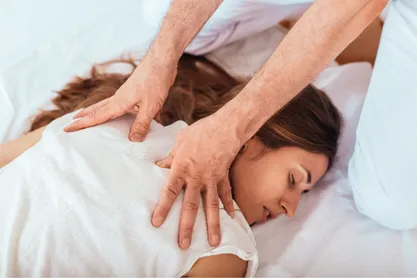
Shiatsu Therapy

Shiatsu Therapy
Shiatsu therapy in Etobicoke to relieve pain, reduce stress, and restore balance through gentle pressure-based techniques.
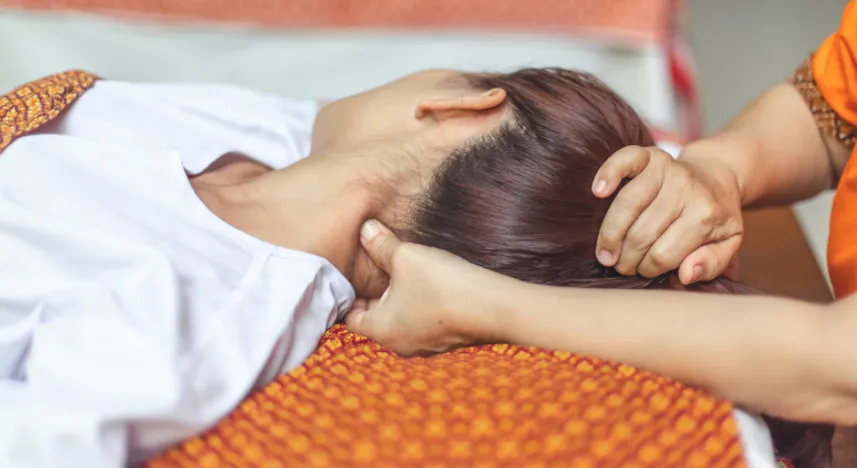
Shiatsu Therapy in Etobicoke
Restore Balance. Relieve Tension. Feel Like Yourself Again.
If tight shoulders, constant stress, restless nights, or nagging back pain have become part of your everyday routine, you don’t have to live with it. Shiatsu therapy in Etobicoke at Rapharehab is a gentle, hands-on treatment rooted in traditional Japanese medicine that uses finger and palm pressure, stretching, and rhythmic touch to release tension, calm the nervous system, and help your body return to balance.
Unlike treatments that only chase symptoms, shiatsu works with your whole body — muscles, joints, energy pathways, and mind — so relief feels deep and lasting, not temporary. Whether you’re dealing with chronic stress, a stiff neck from hours at a desk, or simply want a therapy that helps you switch off and recover, our registered shiatsu practitioners in Etobicoke create a session built around what your body actually needs.
In short: Shiatsu is a clothed, oil-free, pressure-point bodywork therapy that reduces muscle tension, improves circulation, calms the nervous system, and supports better sleep — all without needles or aggressive manipulation. Sessions typically run 45–60 minutes, and most people leave feeling noticeably lighter, calmer, and more mobile.
Book Your Shiatsu Session Today →
What Is Shiatsu Therapy?
Shiatsu is a Japanese word that literally means “finger pressure” (shi = finger, atsu = pressure). It’s a form of therapeutic bodywork that developed from traditional Chinese medicine and evolved into its own distinct practice in Japan over the past century.
During a shiatsu session, your practitioner applies sustained, rhythmic pressure with the thumbs, palms, and sometimes elbows or knees along the body’s meridians — the energy pathways that traditional East Asian medicine maps across the body. The goal isn’t just muscular; it’s to support the free flow of your body’s natural energy, or Qi (Ki), while simultaneously working on the physical tissue underneath.
Practically speaking, this means shiatsu delivers two benefits at once:
- A genuine, physical release of tight, overworked muscles and connective tissue.
- A calming effect on the nervous system that helps shift your body out of “fight-or-flight” mode and into rest-and-recovery mode.
How Shiatsu Therapy Is Different From Regular Massage
A common question we hear is: “Isn’t shiatsu just another type of massage?” Not quite. Traditional Swedish or relaxation massage typically uses oil, gliding strokes, and kneading on bare skin. Shiatsu is performed fully clothed, with no oil or lotion, using sustained, held pressure rather than continuous rubbing. It borrows more from acupressure and osteopathic principles than from classic Western massage.
That doesn’t make it less effective — for many people dealing with chronic tension, anxiety, or nervous-system overload, the slower, holding style of shiatsu produces a deeper sense of calm than a standard rubdown ever could.
Who Is Shiatsu Therapy For? Common Problems We Treat
You don’t need a specific diagnosis to benefit from shiatsu — most people come to us because everyday stress and physical strain have quietly built up in the body. Here are the problems we see most often at our Etobicoke clinic, and how shiatsu therapy helps with each one.
Stress, Anxiety & Mental Fatigue
Constant deadlines, screen time, and daily pressure keep your nervous system stuck “switched on.” Shiatsu’s slow, held pressure activates the parasympathetic nervous system — the body’s natural relaxation response — helping to lower stress hormones, quiet a racing mind, and restore a sense of calm.
Neck & Shoulder Tension
Hours at a desk, driving, or looking down at a phone create chronic tightness through the upper trapezius and neck. Shiatsu targets these overworked muscles directly with sustained pressure and gentle stretching, easing stiffness that regular stretching alone can’t reach.
Back Pain & Muscle Tightness
Whether it’s lower back tension from sitting all day or general muscular tightness from physical work, shiatsu helps release deep-seated muscle guarding and improve mobility through the spine and surrounding soft tissue.
Headaches & Tension-Related Discomfort
Many tension headaches originate in the neck, jaw, and shoulders. By releasing tightness in these areas and calming the nervous system, shiatsu can reduce both the frequency and intensity of stress-related headaches.
Poor Sleep & Insomnia
When the body can’t relax, sleep suffers. Shiatsu’s calming, whole-body approach helps regulate the nervous system so it’s easier to fall asleep and stay asleep — many patients report their first genuinely restful night after a session.
Poor Circulation & Low Energy
Sustained pressure applied along the body’s tissue and meridian lines encourages blood and lymphatic flow, which can leave you feeling more energized and less fatigued in the days following treatment.
Postural Strain From Desk Work or Repetitive Movement
If your job keeps you in one position for long periods, shiatsu can help counteract the tightness and imbalance that builds up over time — often used alongside our Physiotherapy or Exercise Therapy programs for a more complete recovery plan.
Joint Stiffness & Reduced Mobility
Gentle joint mobilization within a shiatsu session helps loosen restricted areas, making everyday movement feel easier and less guarded.
If any of this sounds familiar, shiatsu therapy at our Etobicoke clinic is designed to meet you where you are — whether your goal is pain relief, stress relief, or simply feeling more like yourself again.
What to Expect During a Shiatsu Therapy Session
We know that trying a new therapy can feel uncertain, so here’s exactly what happens when you book shiatsu therapy at Rapharehab in Etobicoke.
Before Your Session
Your practitioner will ask about your health history, current symptoms, stress levels, and treatment goals. There’s no need to undress — shiatsu is performed fully clothed, so wear something loose and comfortable, like sweatpants and a t-shirt.
During the Session
You’ll lie on a comfortable treatment mat or table while your practitioner applies pressure using a combination of techniques, including:
- Gentle Thumb & Palm Pressure — targets specific areas of tension and encourages natural muscle release.
- Rhythmic Stretching — improves flexibility and works through stiffness in the muscles and joints.
- Joint Mobilization — gently restores movement in tight or restricted areas.
- Energy Pathway (Meridian) Balancing — supports the body’s natural flow and helps reduce overall stress.
- Breath-Guided Relaxation — encourages a deep, calming nervous-system response throughout the session.
- Whole-Body Integration Techniques — brings everything together for a lasting sense of ease and balance.
Sessions typically run 45 to 60 minutes and involve no oils, no needles, and no aggressive force — just steady, purposeful pressure adjusted to your comfort level throughout.
After Your Session
Many people feel immediately looser and calmer, though it’s also common to feel a little tired or notice mild soreness for a day, similar to how you might feel after a good workout. This is a normal part of your body’s recovery response. Drinking water and giving yourself time to rest afterward helps you get the most out of treatment.
For ongoing issues like chronic pain or long-standing muscle tension, we typically recommend a short series of sessions rather than a single visit, since the effects of shiatsu build cumulatively over time.
Benefits of Shiatsu Therapy at Rapharehab
Patients who add shiatsu into their care plan consistently report:
- Deep relaxation and measurable stress reduction
- Improved circulation and tissue oxygenation
- Relief from muscle tightness and chronic pain
- Better flexibility and joint mobility
- More balanced, sustained energy levels
- A stronger sense of calm and emotional well-being
- Easier, more restful sleep and improved mental clarity
- A gentle, non-invasive therapy option suitable for nearly every age and fitness level
Because shiatsu addresses both the physical body and the nervous system at once, many patients describe feeling “grounded” and reset — not just physically looser, but mentally clearer too.
Shiatsu vs. Other Therapies: Which One Is Right for You?
| Therapy | Pressure Style | Clothing | Best For |
|---|---|---|---|
| Shiatsu Therapy | Sustained, held pressure along meridians | Fully clothed, no oil | Stress, tension, energy balance, whole-body relaxation |
| Deep Tissue Massage | Firm, targeted gliding pressure | Undressed, uses oil | Deep muscle knots, sports recovery |
| Massage Therapy (Swedish/RMT) | Gliding, kneading strokes | Undressed, uses oil | General relaxation, circulation |
| Acupuncture | Fine needles at specific points | Minimal clothing removal | Pain conditions, meridian-based imbalances |
| Cranio Sacral Therapy | Extremely light touch | Fully clothed | Nervous system regulation, headaches |
If you’re unsure which therapy is the right fit, our team can help you decide during your consultation — and many patients combine shiatsu with physiotherapy, massage, or acupuncture for a more complete recovery plan.
Is Shiatsu Therapy Safe for Everyone?
Shiatsu is gentle, non-invasive, and generally considered safe for most people, including many older adults and those recovering from mild injuries. That said, you should let your practitioner know before treatment if you are pregnant, have a bleeding disorder, recently had surgery, have osteoporosis, or are managing a serious medical condition, so your session can be adjusted safely. As with any hands-on therapy, always disclose your full health history so your practitioner can tailor pressure and technique appropriately.
Shiatsu Therapy Cost & Insurance Coverage in Etobicoke
Many extended health benefit plans in Ontario include coverage for registered massage and bodywork therapies, though coverage for shiatsu specifically can vary by provider and plan. We recommend checking directly with your insurer to confirm your coverage details, direct billing eligibility, and whether a doctor’s referral is required. Visit our Payment & Insurance page for more information, or ask our front desk team when you book — we’re happy to help you understand your options before your first visit.
Why Choose Rapharehab for Shiatsu Therapy in Etobicoke?
Rapharehab is a multidisciplinary physiotherapy, massage, and rehab clinic located at 5 – 4335 Bloor Street West, Etobicoke. When you book shiatsu therapy with us, you get:
- Care from skilled, trained shiatsu practitioners
- Personalized sessions built around your comfort, symptoms, and goals
- A calm, welcoming clinic environment designed for genuine rest and recovery
- Seamless integration with physiotherapy, massage therapy, or chronic pain management when appropriate
- Evidence-informed techniques layered onto traditional shiatsu principles
- Safe, gentle treatment suitable for a wide range of ages and needs
- Flexible scheduling at our convenient Etobicoke location, easily accessible along Bloor Street West
We’re proud to be a trusted choice for shiatsu therapy in Etobicoke — not just for symptom relief, but for genuine, whole-body wellness.
Restore Balance and Relaxation Today
If stress, muscle tension, or everyday fatigue is wearing you down, shiatsu therapy can help you feel calmer, looser, and more like yourself again. Book your shiatsu therapy session in Etobicoke today and discover why Rapharehab is a trusted local provider of restorative, pressure-based bodywork.
Frequently Asked Questions
-
What is shiatsu therapy?
-
Does shiatsu hurt?
No. Shiatsu uses sustained, comfortable pressure rather than aggressive force. You may feel deep pressure in tight areas, but it should never be sharp or painful — always tell your practitioner if something feels too intense.
-
Do I need to undress for a shiatsu session?
No. Shiatsu is performed fully clothed with no oils or lotions. Wear loose, comfortable clothing such as sweatpants and a t-shirt.
-
How long does a shiatsu session take?
Most sessions run between 45 and 60 minutes, though shorter or longer sessions can be arranged based on your needs.
-
How is shiatsu different from a regular massage?
Regular massage typically uses oil and gliding strokes on bare skin, while shiatsu uses clothed, held pressure along specific points and meridians, closer in principle to acupressure than Swedish massage.
-
Is shiatsu the same as acupuncture?
No, but they share similar underlying theory. Acupuncture uses fine needles at specific points, while shiatsu uses manual pressure instead of needles.
-
What conditions can shiatsu therapy help with?
Shiatsu is commonly used for stress and anxiety, muscle tension, neck and shoulder pain, back pain, tension headaches, poor circulation, sleep difficulties, and joint stiffness.
-
Can shiatsu help with anxiety and stress?
Yes. The slow, sustained pressure used in shiatsu helps activate the body’s relaxation response, which can lower stress levels and support a calmer, clearer mind.
-
Can shiatsu help me sleep better?
Many patients report improved sleep after shiatsu sessions, as the therapy helps calm the nervous system and release physical tension that can interfere with rest.
-
Is shiatsu safe during pregnancy?
Shiatsu can be adapted for many stages of pregnancy, but always inform your practitioner so pressure, positioning, and technique can be adjusted safely.
-
How many shiatsu sessions will I need?
This depends on your goals. Some people feel noticeable relief after one session, while chronic issues often respond best to a short series of weekly sessions.
-
Is shiatsu covered by insurance in Ontario?
Coverage varies by provider and plan. Many extended health benefits include bodywork or massage therapy coverage — check with your insurer or ask our team when booking.
-
What should I wear to a shiatsu appointment?
Loose, comfortable clothing that allows for stretching and movement, such as sweatpants or leggings and a t-shirt.
-
Will I feel sore after shiatsu therapy?
Mild soreness or tiredness for a day afterward is normal, similar to how muscles feel after light exercise. This usually resolves quickly.
-
Can shiatsu be combined with physiotherapy or massage therapy?
Yes. Many of our patients combine shiatsu with physiotherapy, massage therapy, or chronic pain management for a more complete treatment plan.
-
Who performs shiatsu therapy at Rapharehab?
Our shiatsu sessions are provided by trained, experienced practitioners who tailor each treatment to your comfort level and health goals.
-
Is shiatsu suitable for older adults?
Yes, shiatsu is generally gentle and adaptable, making it a suitable option for many older adults, though pressure and technique are always adjusted to individual needs.
-
What does “meridian” mean in shiatsu therapy?
Meridians are the energy pathways mapped across the body in traditional East Asian medicine. Shiatsu applies pressure along these pathways to support balance and natural healing.
-
Can shiatsu help with headaches?
Yes. By releasing tension in the neck, shoulders, and jaw and calming the nervous system, shiatsu can help reduce the frequency and intensity of tension-related headaches.
-
Where is your Etobicoke shiatsu clinic located?
Rapharehab is located at 5 – 4335 Bloor Street West, Etobicoke, M9C 2A5, easily accessible along the Bloor-Danforth corridor.
-
How do I book a shiatsu therapy appointment in Etobicoke?
You can book online through our contact page or call our clinic directly at 647-722-3434 to schedule your first session.
-
Is shiatsu a regulated profession in Ontario?
Shiatsu is not currently regulated by a government college in Ontario, which is why it’s important to choose a clinic with trained, experienced practitioners — like our team at Rapharehab.