

It’s a two-part rehabilitation approach: prehab prepares your body before surgery through strengthening and mobility work, while post-op rehab restores function afterward through staged, progressive treatment.

Pre & Post Operative Management
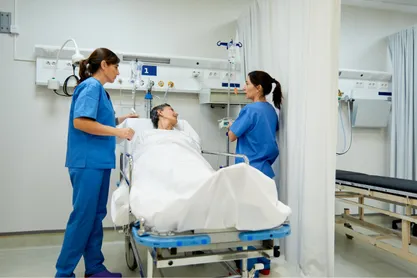

Pre & Post Operative Management
Pre and post operative rehab in Etobicoke to build strength, restore mobility, and support safe, guided surgical recovery.

Pre & Post Operative Physiotherapy in Etobicoke: Prepare for Surgery, Recover with Confidence
Facing an upcoming surgery — or already home after one — comes with a lot of uncertainty. Will you regain full strength? How long before you can walk without pain, climb stairs, or return to work? At Rapharehab, Etobicoke, our pre and post operative physiotherapy program is built to answer exactly those questions with a clear, guided plan, not guesswork.
Whether you’re preparing for a knee replacement, recovering from ACL reconstruction, or managing the weeks after a spinal procedure, our physiotherapists work alongside your surgeon’s protocol to help you prepare stronger, heal safely, and restore function at every stage of your surgical journey. This page walks through exactly what pre and post operative rehabilitation involves, which surgeries we support, what your recovery timeline may look like, and how our Etobicoke clinic helps you avoid the common setbacks that slow recovery down.
The Problem: Why Surgery Alone Isn’t Enough
Surgery repairs the structural problem — a torn ligament, a worn-out joint, a herniated disc. But surgery does not rebuild the strength, mobility, or movement patterns your body needs afterward. Left unmanaged, patients commonly face:
- Persistent stiffness and reduced range of motion months after surgery
- Muscle weakness around the surgical site that leads to compensation injuries elsewhere
- Scar tissue adhesions that restrict movement long-term
- Fear of movement, which slows down rehabilitation
- Longer recovery timelines and higher risk of complications like blood clots or reinjury
- Uncertainty about which exercises are safe at each healing stage
This is exactly the gap that structured pre and post operative physiotherapy is designed to close.
What Is Pre & Post Operative Physiotherapy Management?
Pre and post operative management is a two-part rehabilitation approach centered around your surgery date:
- Pre-operative physiotherapy (prehab): treatment in the weeks before surgery to build strength, protect joint mobility, and prepare your body and mind for a smoother operation and recovery.
- Post-operative physiotherapy (rehab): structured, staged treatment after surgery to control pain and swelling, restore range of motion, rebuild strength, and safely return you to daily activities, work, or sport.
Research consistently shows that patients who complete a pre-operative conditioning program tend to recover function faster after surgery, and that structured post-operative rehab reduces complications and improves long-term outcomes compared with no formal rehab at all. This is why most Ontario orthopedic surgeons now build physiotherapy into the surgical care pathway rather than treating it as optional.
At Rapharehab, our program is built to:
- Improve surgical outcomes and reduce complications
- Reduce pain, inflammation, and stiffness at every stage
- Maintain strength and joint mobility leading into surgery
- Restore full range of motion and function after surgery
- Prevent muscle wasting, joint stiffness, and scar tissue restriction
- Improve circulation to accelerate tissue healing
- Support a safe, confident return to normal activity, work, and sport
Pre-Operative Rehabilitation (Prehab) in Etobicoke
The stronger and more mobile you are going into surgery, the faster and easier your recovery tends to be. Our pre-operative physiotherapy focuses on:
- Strength & conditioning programs — targeted exercises to build the muscle around the joint or area being operated on, since stronger muscles support better post-surgical stability.
- Range of motion training — reducing pre-existing stiffness so your body starts recovery from the best possible baseline rather than fighting restriction on top of surgical healing.
- Pain and swelling management — manual therapy and modalities to reduce discomfort in the lead-up to surgery, so you’re not entering the operating room already fatigued by pain.
- Gait and movement training — practicing walking aids (crutches, walkers, canes) and adjusted movement patterns before surgery, so you’re not learning them for the first time while also recovering.
- Education and expectation planning — a clear walkthrough of what to expect before, during, and after your procedure, including realistic recovery timelines and home-safety considerations.
How long before surgery should prehab start? Most patients benefit from starting 4–6 weeks before their scheduled operation, though even a short window of targeted prehab can improve outcomes. If your surgery date is close, tell our team — we’ll adapt the plan to the time available.
Post-Operative Rehabilitation, Staged by Recovery Phase
Recovery after surgery isn’t a single program — it’s a progression. Our physiotherapists move you through phases based on your healing stage and your surgeon’s protocol, not a fixed calendar.
Early Phase (Protect & Reduce Swelling)
Focus is on protecting the surgical site, controlling pain and swelling, and gently restoring basic movement.
- Manual therapy for gentle mobilization
- Pain and swelling reduction using laser therapy, electrotherapy, and therapeutic modalities
- Safe, guided introduction of movement within surgeon-approved limits
Mid Phase (Rebuild Range of Motion & Strength)
Focus shifts toward restoring joint mobility and progressively rebuilding muscle strength.
- Progressive strengthening programs, increased gradually to avoid setbacks
- Joint mobility and flexibility training to restore range of motion lost during immobilization
- Scar tissue and soft tissue management to prevent adhesions and improve tissue mobility
Late Phase (Restore Function & Return to Activity)
Focus is on translating strength and mobility gains into real-world function.
- Gait retraining — correcting walking patterns and improving balance
- Functional movement restoration — practicing the specific tasks you need for daily life, work, or sport
- Final strength and endurance building before full discharge from care
This phase-based approach is what prevents the two most common post-surgical setbacks: rushing back too soon (risking reinjury) and moving too cautiously for too long (risking permanent stiffness).
Surgeries & Conditions We Support
Our pre and post operative management covers a wide range of orthopedic, spinal, and soft-tissue procedures, including:
Joint Replacement
- Knee replacements (Total Knee Replacement / TKR)
- Hip replacements (Total Hip Replacement / THR)
Ligament & Sports Injury Surgery
- ACL, MCL, and other ligament reconstructions
- Meniscus repairs
- Rotator cuff and shoulder surgeries
Spine & Extremity Surgery
- Spinal surgeries, including discectomy and fusion
- Ankle and foot surgeries
- Fracture surgeries
- Hand and wrist surgeries
Soft Tissue & Minimally Invasive Procedures
- Tendon repairs
- Soft tissue and arthroscopic procedures
If your procedure isn’t listed here, contact our clinic directly — most orthopedic and soft-tissue surgeries can be supported with a customized rehab plan.
Our Process: What to Expect at Rapharehab
- Initial assessment. We review your surgical history or upcoming procedure, current pain, strength, mobility, and any home or lifestyle factors that affect your recovery plan.
- Personalized plan. Your physiotherapist builds a stage-based plan aligned with your surgeon’s protocol (bring any paperwork your surgeon has provided — it directly shapes our approach).
- Hands-on treatment. Sessions combine manual therapy, guided exercise, and modalities as appropriate to your healing stage.
- Progress tracking. As you move through each phase, your program is adjusted based on measurable gains in strength, range of motion, and function — not guesswork.
- Return to activity. We help you transition confidently back to work, daily tasks, or sport, with education on preventing reinjury.
Benefits of Pre & Post Operative Rehab at Rapharehab
Choosing structured surgical rehabilitation over recovering without guidance provides measurable advantages:
- Faster, safer recovery timelines
- Reduced pain and inflammation at every stage
- Improved strength and endurance built progressively and safely
- Better long-term range of motion
- Lower risk of post-surgical complications
- Correct gait and movement pattern restoration
- Stronger functional outcomes compared with no formal rehab
- A plan personalized to your specific surgery, body, and goals
Why Choose Rapharehab for Surgical Rehab in Etobicoke?
- Care from experienced physiotherapists trained in surgical rehabilitation
- Personalized exercise plans matched to each surgical stage, not a generic template
- One-on-one treatment focused on comfort, safety, and pace
- Integration of manual therapy with post-op modalities for combined pain relief and function gains
- Education to reduce reinjury risk once you’re discharged from active care
- Treatment aligned with your surgeon’s recommendations and protocol
- A calm, supportive clinical environment for what can be a stressful period
- A convenient Bloor West Etobicoke location with flexible appointment times
Start Your Surgical Recovery with Confidence
Whether you’re weeks away from surgery or already navigating recovery, structured physiotherapy is one of the most effective ways to protect your outcome. Book your appointment today and find out why Rapharehab is a trusted pre and post operative physiotherapy clinic in Etobicoke for guided, personalized surgical recovery support.
Frequently Asked Questions
-
What is pre and post operative physiotherapy?
-
Do I really need physiotherapy before surgery?
While not mandatory for every procedure, pre-operative physiotherapy is strongly recommended for joint replacements, ligament repairs, and spinal surgeries because a stronger, more mobile starting point generally supports a smoother recovery.
-
How soon before surgery should I start prehab?
Most patients benefit from starting 4–6 weeks before their scheduled procedure, though even a shorter window of targeted preparation can help.
-
How soon after surgery can I start physiotherapy?
This depends entirely on your surgeon’s protocol — some patients begin gentle movement within days, while others wait longer. We coordinate directly with your surgeon’s instructions.
-
Do you need a referral to start pre or post-op physiotherapy?
In most cases, no referral is required, though bringing any surgical protocol or notes from your surgeon helps us tailor your program accurately.
-
What happens during the first post-surgery physiotherapy session?
We assess your current pain, swelling, mobility, and strength, review your surgeon’s protocol, and begin building your stage-based recovery plan.
-
How long does post-operative physiotherapy usually take?
Timelines vary by surgery type — a soft-tissue repair may need several weeks, while joint replacements or spinal surgeries often involve a few months of staged rehab.
-
Is physiotherapy after surgery painful?
Some discomfort is normal, especially in early stages, but treatment is dosed to your healing stage and should never involve unsafe or excessive pain.
-
What is scar tissue management, and why does it matter?
It’s manual therapy focused on the healed incision area to prevent adhesions that can restrict movement and cause long-term stiffness if left untreated.
-
Can physiotherapy help me avoid needing surgery at all?
For some conditions, yes — a physiotherapy assessment can determine whether conservative treatment is a reasonable option before considering surgery.
-
What surgeries do you provide rehab for?
We support knee and hip replacements, ACL/MCL and ligament repairs, rotator cuff and shoulder surgeries, meniscus repairs, spinal surgeries, ankle/foot surgeries, fracture surgeries, and hand/wrist and soft-tissue procedures.
-
Will my physiotherapist communicate with my surgeon?
Yes — treatment is built around your surgeon’s protocol, and we can coordinate directly regarding your progress or any restrictions.
-
What should I bring to my first appointment?
Any surgical notes, discharge instructions, or rehab protocol provided by your surgeon, along with a list of current medications and any mobility aids you’re using.
-
How many physiotherapy sessions will I need?
This depends on your surgery and recovery progress; your physiotherapist will outline an estimated plan after your initial assessment.
-
Is pre and post operative physiotherapy covered by insurance?
Many extended health benefit plans cover physiotherapy; coverage amounts vary by provider, so check your policy or ask our team for guidance.
-
Can physiotherapy help reduce swelling after surgery?
Yes — manual therapy, movement guidance, and modalities like laser and electrotherapy are commonly used to help manage post-surgical swelling.
-
What is gait retraining, and do I need it?
Gait retraining corrects walking patterns that develop from pain, weakness, or mobility aids after surgery, and it’s commonly needed after lower-limb procedures like knee or hip replacements.
-
When can I return to work after surgery-related physiotherapy?
This depends on your job’s physical demands and your recovery stage; your physiotherapist will help guide a safe, staged return.
-
When can I return to sport after surgery?
Return-to-sport timing depends on the procedure and your functional progress — physiotherapists use strength and movement benchmarks, not just time elapsed, to guide this decision.
-
What if I don’t follow a structured rehab plan after surgery?
Skipping structured rehab increases the risk of stiffness, muscle weakness, scar tissue restriction, and slower or incomplete recovery.
-
Do you offer virtual pre or post-op physiotherapy sessions?
Ask our team about virtual care options for portions of your rehab plan where in-person attendance isn’t possible.
-
How do I book a pre or post-operative physiotherapy assessment in Etobicoke?
You can book directly through our contact page or call the clinic to schedule your initial assessment.