

It’s a structured rehabilitation approach that treats the joints, muscles, tendons, and ligaments of the knee and leg to reduce pain, restore movement, and rebuild strength.
Leg & Knee Injury Physiotherapy Management in Etobicoke
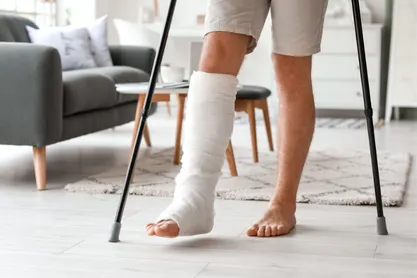

Leg & Knee Injury Physiotherapy Management in Etobicoke
Leg and knee injury physiotherapy management in Etobicoke to reduce pain, restore mobility, and rebuild strength for safe, supported recovery.
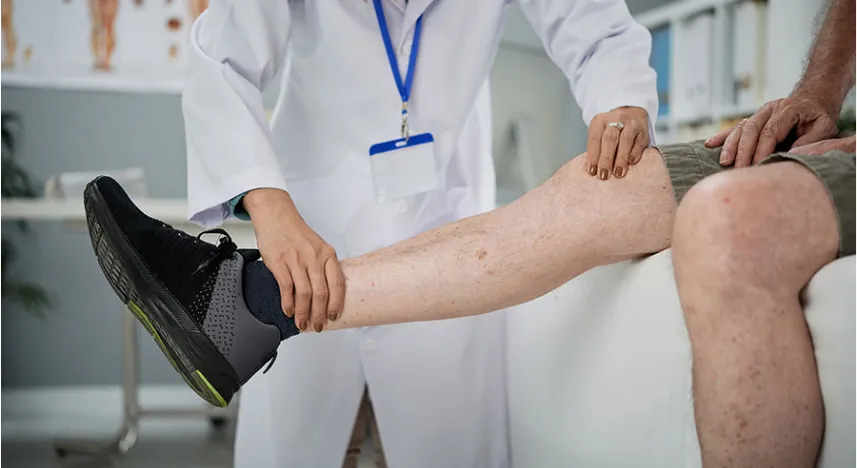
Leg & Knee Injury Physiotherapy in Etobicoke
Relieve Pain. Rebuild Strength. Move Without Fear Again.
If knee pain stops you halfway up the stairs, if your leg gives out when you pivot, or if walking to the mailbox now takes planning — you’re not overreacting, and you’re not alone. Leg and knee injuries are among the most common reasons people in Etobicoke search for physiotherapy, because the knee is one of the hardest-working, most injury-prone joints in the body.
At Rapharehab Physiotherapy & Rehab Clinic in Etobicoke, our leg and knee injury physiotherapy program is built around one goal: getting you back to walking, climbing stairs, working out, working, and living — without pain holding you back. Whether your injury came from sport, a fall, surgery, overuse, or simple wear and tear from arthritis, our physiotherapists assess the root cause, not just the symptom, and build a treatment plan around your body and your goals.
This page walks you through everything you need to know: the signs a knee or leg problem needs professional care, the specific conditions we treat, how our assessment and treatment process works, what results to expect, and answers to the questions patients ask us most.
Do Any of These Sound Like You?
Knee and leg pain rarely shows up as one dramatic event. More often, it creeps in — and people wait far longer than they should before getting it looked at. You may benefit from knee physiotherapy in Etobicoke if you’re experiencing:
- Sharp or aching knee pain when climbing or descending stairs
- A knee that feels like it might buckle, give way, or lock
- Swelling around the knee after activity — or even after rest
- Pain when squatting, kneeling, or getting up from a chair
- A popping or clicking sound at the time of injury or during movement
- Stiffness in the morning that eases as the day goes on (or doesn’t)
- Difficulty putting full weight on your leg
- A limp you’ve developed without noticing it happening
- Pain that lingers weeks after a sprain, strain, or fall
- Ongoing discomfort after knee or leg surgery
- Shin, calf, or thigh pain that flares up during walking or running
- Reduced confidence in your knee during sports, hiking, or daily errands
If even two or three of these apply to you, it’s a strong sign your knee or leg needs a proper assessment rather than more rest-and-hope.
What Is Leg & Knee Injury Physiotherapy Management?
Leg and knee injury physiotherapy is a structured, hands-on rehabilitation approach that treats the joints, muscles, tendons, and ligaments of the knee and leg — with the goal of reducing pain, restoring full range of motion, and rebuilding the strength needed for stable, confident movement.
Unlike generic advice to “rest it and see,” physiotherapy addresses why the injury happened in the first place — weak hips, poor movement mechanics, muscle imbalance, previous injury history, or joint degeneration — so the problem doesn’t simply return in a few months.
A well-designed leg and knee physiotherapy program will typically:
- Reduce knee and leg pain, both at rest and during activity
- Improve joint flexibility and mobility
- Rebuild strength and neuromuscular control around the joint
- Restore normal, symmetrical walking and movement patterns
- Support healing of tendon, ligament, and soft tissue injuries
- Manage swelling and inflammation
- Correct the underlying mechanical issues that cause reinjury
- Guide a safe return to work, sport, and everyday activities
Every plan at Rapharehab is personalized and evidence-based — built from your assessment findings, not a template.
Common Causes of Knee & Leg Injuries We See in Etobicoke
Understanding why the injury happened helps guide how we treat it. The most frequent causes we see at our Etobicoke clinic include:
- Sports and recreational injuries — soccer, basketball, hockey, running, skiing
- Sudden trauma — twists, pivots, direct impact, awkward landings
- Slips, trips, and falls — at home, at work, or on icy Etobicoke sidewalks in winter
- Overuse and repetitive strain — from running, cycling, or standing occupations
- Post-surgical recovery — after ACL reconstruction, meniscus repair, or knee replacement
- Degenerative changes — osteoarthritis and general joint wear with age
- Muscle imbalance and weakness — particularly in the hips, glutes, and core, which places extra load on the knee
- Motor vehicle accidents — direct knee trauma from impact (“dashboard knee”)
Conditions We Treat in Leg & Knee Rehabilitation
Below is a detailed breakdown of the specific knee and leg conditions our Etobicoke physiotherapists manage. This is the “sub-pillar” map of everything covered under leg and knee injury physiotherapy.
ACL, MCL & Ligament Injuries
Ligament sprains and tears — including ACL and MCL injuries — are common in sports involving cutting, pivoting, or sudden stops. Physiotherapy supports both non-surgical ligament rehab and post-ACL-surgery recovery, focusing on regaining strength, stability, and confidence before returning to sport.
Meniscus Injuries
A torn meniscus can cause catching, locking, or swelling in the knee. Depending on the tear type and your goals, we design a meniscus tear rehabilitation plan that either supports non-surgical healing or accelerates recovery after arthroscopic surgery.
Knee Osteoarthritis (OA)
Osteoarthritis is one of the leading causes of chronic knee pain, especially for people over 45. Our knee osteoarthritis physiotherapy in Etobicoke focuses on reducing joint stress, strengthening supporting muscles, improving mobility, and helping you stay active without relying solely on medication.
Patellar Tendinopathy (Jumper’s Knee)
Common in athletes who jump or change direction frequently, patellar tendinopathy causes pain just below the kneecap. Treatment includes progressive loading exercises, soft tissue work, and correcting the movement patterns that overload the tendon.
Patellofemoral Pain Syndrome (Runner’s Knee)
Often described as a dull ache around or behind the kneecap, runner’s knee is frequently linked to hip and glute weakness. Our physiotherapists correct patellar tracking and strengthen the surrounding kinetic chain to resolve pain at its source.
IT Band Syndrome
Iliotibial band syndrome causes sharp pain on the outer knee, especially in runners and cyclists. Treatment combines soft tissue release, hip strengthening, and gait correction to reduce friction and irritation.
Quadriceps & Hamstring Strains
Muscle strains in the front or back of the thigh can range from mild tightness to significant tears. We guide safe, staged reloading to prevent re-strain and restore full strength.
Calf Muscle Injuries
Calf strains and tears affect walking, running, and push-off strength. Rehabilitation focuses on restoring flexibility, strength, and safe return to activity.
Post-Surgical Knee Rehabilitation
Whether you’ve had an ACL reconstruction, meniscus repair, or total or partial knee replacement, structured post-surgical knee physiotherapy is essential for regaining range of motion, reducing scar tissue restriction, and rebuilding strength safely. (Related: [Pre & Post Operative Management])
Overuse & Repetitive Strain Injuries
Standing occupations, repetitive squatting, and high-mileage training can all lead to cumulative strain. We identify the mechanical cause and adjust training or work patterns alongside treatment.
Mobility Limitations from Prolonged Sitting or Inactivity
Stiffness and weakness from long periods of sitting — whether from desk work or reduced activity — can be addressed with targeted mobility and strengthening work before it develops into a more significant injury.
Our Leg & Knee Physiotherapy Techniques
Your treatment plan may combine several of the following evidence-based techniques, depending on your specific diagnosis and recovery stage:
| Technique | What It Does |
|---|---|
| Manual Therapy & Joint Mobilization | Improves knee and leg joint movement and reduces stiffness |
| Soft Tissue Release | Relieves tight, restricted muscles contributing to pain |
| Strengthening Programs | Targets quadriceps, hamstrings, hips, glutes, and calves for joint support |
| Gait & Movement Retraining | Corrects walking mechanics and reduces harmful compensations |
| Balance & Proprioception Training | Rebuilds stability and lowers reinjury risk |
| Range-of-Motion & Flexibility Work | Restores natural bending, straightening, and rotation |
| Patellar Tracking Correction | Improves kneecap alignment to reduce pain during movement |
| Therapeutic Modalities | Laser therapy, electrotherapy, and ultrasound support healing where appropriate |
| Shockwave Therapy | Used for stubborn tendinopathies like patellar or IT band-related pain |
| Custom Knee Bracing | Provides added joint support and stability during recovery or activity |
What to Expect: Your Assessment & Treatment Process
Knowing what happens at your first visit removes a lot of the uncertainty around starting physiotherapy. Here’s how it works at Rapharehab:
- Initial Assessment — Your physiotherapist reviews your injury history, how the pain started, and your goals, followed by a hands-on physical assessment of strength, range of motion, joint stability, and movement patterns.
- Diagnosis & Root-Cause Identification — Rather than only treating the painful area, we assess the hip, ankle, and movement chain that may be contributing to the problem.
- Personalized Treatment Plan — A plan is built around your diagnosis, activity level, and recovery timeline — whether that’s returning to competitive sport, walking pain-free, or preparing for/recovering from surgery.
- Hands-On Treatment & Guided Exercise — Sessions combine manual therapy, targeted exercise, and education so you understand why each part of the plan matters.
- Progress Tracking & Plan Adjustment — As strength and mobility improve, your program is progressed to keep pace with your recovery.
- Return-to-Activity & Prevention Plan — Before discharge, we focus on long-term prevention strategies so the injury doesn’t return.
(Related: [What to Expect] · [Gait Assessment])
Benefits of Leg & Knee Injury Physiotherapy at Rapharehab
- Reduced knee and leg pain, day to day and during activity
- Improved walking, standing, and stair mobility
- Stronger lower-body muscles and better joint stability
- Faster, safer recovery from injury or surgery
- Enhanced performance in sport and daily life
- Lower risk of future knee or leg injury
- A clear, personalized roadmap instead of guesswork
Many patients notice a meaningful improvement within their first few sessions, though full recovery timelines vary depending on the injury and its severity.
Who Benefits Most From This Program?
Our leg and knee physiotherapy program is designed for:
- Athletes and weekend warriors recovering from sports injuries or returning to training
- Post-surgical patients recovering from ACL reconstruction, meniscus repair, or knee replacement (see [Sports Injury Physiotherapy])
- Older adults managing knee osteoarthritis and mobility decline
- Runners and cyclists dealing with overuse injuries like IT band syndrome or runner’s knee
- Workers in physically demanding or standing-heavy jobs
- Motor vehicle accident survivors with knee trauma
- Anyone whose daily comfort or independence is affected by leg or knee pain
Why Choose Rapharehab for Knee & Leg Physiotherapy in Etobicoke?
- Physiotherapists experienced specifically in knee and leg rehabilitation
- A detailed, hands-on assessment to identify the true root cause — not just the symptom
- Custom treatment plans built around your goals and activity level
- Integration of manual therapy, strengthening, and movement retraining in one plan
- Clear education on walking mechanics, posture, and injury prevention
- A supportive, patient-centred clinic environment
- Convenient scheduling at our Etobicoke location, with direct billing options available (see [Payment and Insurance])
We focus on long-term recovery — not a quick fix that leaves the underlying problem untouched.
Start Your Leg & Knee Recovery Today
If knee or leg pain is limiting your movement, your daily activity, or your confidence, physiotherapy can help you regain strength, mobility, and control. Book your assessment today and find out why Rapharehab is a trusted choice for Leg & Knee Injury Physiotherapy Management in Etobicoke — for recovery that’s effective, personalized, and built to last.
[Book Your Appointment] | Call: 647-722-3434
Frequently Asked Questions
-
What is leg and knee injury physiotherapy?
-
Do I need a doctor’s referral to see a physiotherapist in Etobicoke?
No. In Ontario, you can book directly with a physiotherapist without a referral, though your insurance provider may request one for reimbursement — check your plan for details.
-
How do I know if my knee pain needs physiotherapy or if it will heal on its own?
If pain persists beyond a few days, worsens with activity, causes swelling, instability, or limits your ability to walk or bear weight, it’s worth getting a professional assessment rather than waiting.
-
What conditions do you treat under leg and knee physiotherapy?
We treat ACL, MCL, and ligament injuries, meniscus tears, knee osteoarthritis, patellar tendinopathy, patellofemoral pain (runner’s knee), IT band syndrome, hamstring and calf strains, and post-surgical knee recovery, among others.
-
How long does knee physiotherapy take to show results?
Many patients notice improvement within a few sessions, but full recovery depends on the injury type and severity — ranging from a few weeks for mild strains to several months for post-surgical or ligament rehabilitation.
-
Can physiotherapy help knee osteoarthritis without surgery?
Yes. Targeted strengthening, mobility work, and load management can significantly reduce osteoarthritis pain and improve function, often delaying or avoiding the need for surgery.
-
Is physiotherapy after ACL surgery necessary?
Yes — structured post-surgical rehabilitation is essential for regaining full range of motion, rebuilding strength, and safely returning to sport or daily activity after ACL reconstruction.
-
What should I expect at my first knee physiotherapy appointment?
Your physiotherapist will review your injury history and goals, perform a hands-on physical assessment, and outline an initial treatment plan tailored to your findings.
-
What should I wear to my physiotherapy appointment?
Comfortable, athletic-style clothing such as shorts or leggings that allow your physiotherapist to assess your knee and leg movement freely.
-
Can physiotherapy help if my knee keeps giving way or feels unstable?
Yes. Instability is often linked to weak stabilizing muscles or ligament laxity, and physiotherapy directly targets strength, balance, and proprioception to restore confidence and control.
-
Is physiotherapy effective for runner’s knee?
Yes. Runner’s knee (patellofemoral pain syndrome) typically responds well to hip and glute strengthening, patellar tracking correction, and gait retraining.
-
What causes IT band syndrome, and how is it treated?
IT band syndrome is often caused by hip weakness, training overload, or biomechanical imbalances. Treatment includes soft tissue release, hip strengthening, and activity modification.
-
Do you treat sports-related knee and leg injuries?
Yes — we regularly treat sports injuries including ligament sprains, meniscus tears, muscle strains, and overuse injuries, with a focus on safe return-to-sport progressions.
-
How many physiotherapy sessions will I need for my knee injury?
This varies by condition, severity, and how your body responds to treatment. Your physiotherapist will provide an estimated plan after your initial assessment.
-
Can physiotherapy help after a knee replacement?
Yes. Post-operative physiotherapy is critical for restoring range of motion, reducing stiffness, and rebuilding strength after partial or total knee replacement surgery.
-
What’s the difference between a knee sprain and a knee strain?
A sprain involves stretching or tearing of a ligament, while a strain involves a muscle or tendon. Both are common knee injuries and are treated with tailored physiotherapy protocols.
-
Does physiotherapy help with swelling after a knee injury?
Yes. Manual therapy, movement guidance, and therapeutic modalities can help manage and reduce swelling and inflammation as part of your recovery plan.
-
Can physiotherapy help calf and hamstring strains too?
Yes — our leg injury physiotherapy covers the full lower limb, including quadriceps, hamstring, and calf muscle strains, not just the knee joint itself.
-
Do you offer treatment for motor vehicle accident-related knee injuries?
Yes, we provide physiotherapy for knee and leg injuries resulting from motor vehicle accidents, including direct billing support where applicable.
-
Is physiotherapy covered by insurance in Ontario?
Many extended health benefit plans cover physiotherapy, and some clinics offer direct billing. Contact our Etobicoke clinic to confirm your coverage details.
-
What happens if I ignore ongoing knee pain?
Untreated knee pain can lead to compensatory movement patterns, muscle weakness, and a higher risk of further injury or accelerated joint degeneration over time.
-
Can physiotherapy prevent future knee or leg injuries?
Yes. Beyond treating the current injury, physiotherapy addresses the underlying strength and movement issues that contribute to reinjury, helping protect your knee long-term.