

Cardiac rehabilitation is a medically-guided program of supervised exercise, education, and lifestyle support designed to help people recover safely after a heart attack, heart surgery, or a cardiac diagnosis.

Cardiac Rehabilitation

Cardiac Rehabilitation
Cardiac rehabilitation in Etobicoke to improve heart health, restore strength, and support safe, supervised recovery after cardiac events.
Cardiac Rehabilitation in Etobicoke
Recover Safely. Strengthen Your Heart. Reclaim Your Life.
A heart attack, bypass surgery, stent procedure, or a new diagnosis of heart disease can be frightening — and knowing how to safely become active again is often the hardest part of recovery. Cardiac rehabilitation in Etobicoke at Rapharehab gives you a medically-informed, supervised path back to strength, so you can return to daily life with confidence instead of fear.
Our cardiac rehabilitation program combines supervised exercise, heart-health education, and one-on-one monitoring to help you rebuild cardiovascular fitness, lower your risk of another cardiac event, and feel like yourself again. Whether you were recently discharged from hospital, are several months post-surgery, or have been living with heart disease for years, our Etobicoke team creates a plan built around your specific heart condition, fitness level, and goals.
Book a Cardiac Rehabilitation Assessment →
What Is Cardiac Rehabilitation?
Cardiac rehabilitation (often shortened to “cardiac rehab”) is a structured, medically-guided program of exercise, education, and lifestyle support designed for people recovering from a heart attack, heart surgery, or a cardiac diagnosis. Unlike general exercise or physiotherapy, cardiac rehabilitation is built specifically around the way your heart responds to activity — with monitoring, pacing, and progression that keeps you safe while you rebuild strength.
A well-designed cardiac rehabilitation program typically addresses four pillars:
- Exercise training — safe, progressive aerobic and strength conditioning
- Risk factor management — blood pressure, cholesterol, weight, and blood sugar
- Education — understanding your condition, medications, and warning signs
- Emotional support — managing the anxiety, fatigue, or low confidence that often follows a cardiac event
Research consistently shows that people who complete a cardiac rehabilitation program recover faster, feel stronger, and have a significantly lower risk of future heart problems compared to those who try to recover on their own.
Who Needs Cardiac Rehabilitation? Signs & Situations
You may be a candidate for cardiac rehabilitation in Etobicoke if you’re experiencing any of the following:
- You were recently discharged from hospital after a heart attack and aren’t sure how much activity is safe
- You’ve had angioplasty or a stent placed and feel hesitant to resume normal movement
- You’re recovering from coronary artery bypass graft (CABG) surgery and need a structured return-to-activity plan
- You’ve had valve repair or replacement and want guided, monitored reconditioning
- You’ve been diagnosed with heart failure, angina, or cardiomyopathy and want to stay active safely
- You feel unusually fatigued, breathless, or deconditioned since your diagnosis or procedure
- You’re managing high blood pressure, high cholesterol, or poor circulation and want a preventative fitness plan
- You feel anxious about exercising because you’re worried about triggering another cardiac event
- Your cardiologist or family doctor has recommended structured cardiac rehabilitation
If any of this sounds familiar, you don’t have to navigate recovery alone or guess at what’s “safe.” A supervised cardiac rehabilitation program removes the guesswork.
The 3 Phases of Cardiac Rehabilitation at Rapharehab
Cardiac recovery isn’t a single appointment — it’s a progression. At Rapharehab, your cardiac rehabilitation program in Etobicoke typically follows three phases, adapted to where you are in your recovery journey.
Phase 1 — Early Recovery & Assessment
This is where your program begins, whether you’re just home from hospital or several weeks post-diagnosis. We conduct a full intake assessment, review your cardiac history, current medications, and any restrictions from your cardiologist, and establish a safe activity baseline.
Phase 2 — Supervised Exercise & Education
This is the core of your cardiac rehabilitation program. Under close supervision, you’ll progress through structured aerobic and strengthening exercises, with your heart rate and exertion levels monitored throughout each session. Alongside exercise, you’ll receive education on heart-healthy habits, nutrition, and how to recognize warning signs.
Phase 3 — Long-Term Independence
As your strength, confidence, and cardiovascular fitness improve, we help you transition toward independent, ongoing activity — with a personalized maintenance plan so your progress lasts well beyond your formal rehab sessions.
Our Cardiac Rehabilitation Techniques & Services
Every cardiac rehabilitation plan at Rapharehab is built around your diagnosis, fitness level, and recovery stage. Depending on your needs, your program may include:
Supervised Exercise Training Safe, progressive aerobic and strengthening exercise tailored to your specific cardiac condition and cleared activity levels.
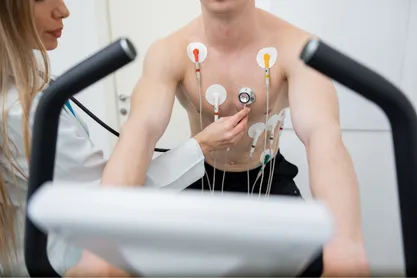
Vital Sign Monitoring During Sessions Heart rate, blood pressure, and exertion are tracked throughout your session so your program stays within safe limits while still building endurance.
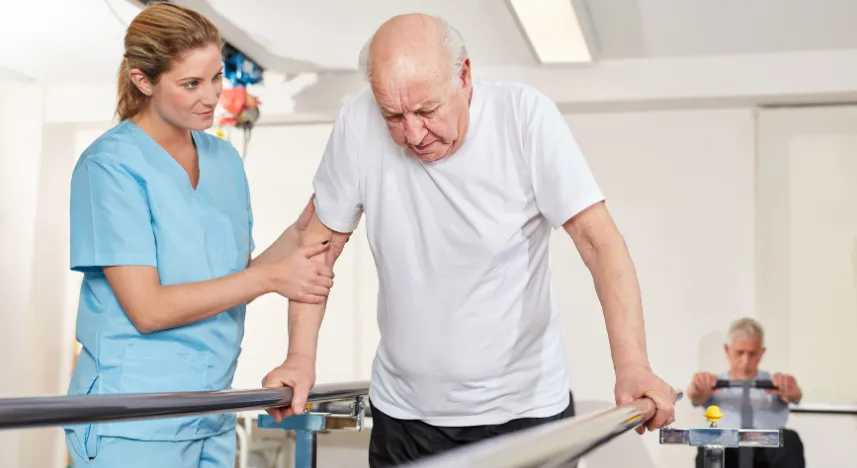
Functional Mobility Training Practical movement training that helps you confidently return to stairs, housework, walking, and daily errands.
Breathing & Relaxation Techniques Controlled breathing strategies that support heart rate regulation and reduce the stress response that can accompany cardiac recovery.
Heart Health Education Practical guidance on diet, activity pacing, medication awareness, and lifestyle habits that support long-term cardiovascular health.
Post-Surgical Recovery Support Structured reconditioning for individuals recovering from bypass surgery, angioplasty, stent placement, or valve procedures.
Risk Factor Management Targeted plans to help manage blood pressure, cholesterol, weight, and physical activity levels — the modifiable factors most linked to future cardiac risk.
Cardiac-Related Fatigue & Deconditioning Support For patients experiencing prolonged fatigue or reduced stamina following a cardiac diagnosis or hospital stay.
Conditions We Support Through Cardiac Rehabilitation
Our Etobicoke cardiac rehabilitation program is designed for people recovering from or managing:
- Heart attack (myocardial infarction)
- Angioplasty or stent placement
- Coronary artery bypass graft (CABG) surgery
- Heart valve replacement or repair
- Heart failure (with physician clearance)
- Angina or unexplained chest discomfort
- Cardiomyopathy
- High blood pressure and circulation-related issues
- General cardiac-related weakness, fatigue, or deconditioning
Every condition responds differently to exercise, which is why your program is never a generic template — it’s built around your cardiologist’s recommendations and your body’s response as you progress.
Benefits of Cardiac Rehabilitation
A structured cardiac rehabilitation program delivers benefits that extend well beyond the exercise itself:
- Improved cardiovascular fitness and endurance
- Reduced risk of a future cardiac event
- Better blood pressure and cholesterol management
- Increased strength, mobility, and daily energy
- Improved exercise tolerance in a safe, monitored setting
- Reduced anxiety and stress related to physical activity after a cardiac event
- Support for healthy weight management
- Greater independence and confidence in daily life
- Improved overall quality of life
For many patients, the greatest benefit isn’t just physical — it’s the confidence that comes from knowing exactly how much activity is safe, and having a professional team monitoring every step.
What to Expect During Your Cardiac Rehabilitation Program
Starting cardiac rehabilitation can feel like a big step, so here’s what your journey at Rapharehab typically looks like:
- Initial Consultation & Cardiac History Review — We review your diagnosis, procedures, medications, and any restrictions provided by your cardiologist or physician.
- Baseline Assessment — We evaluate your current fitness level, mobility, and cardiovascular response to light activity.
- Personalized Program Design — Your plan is built around your condition, recovery stage, and personal goals.
- Supervised Sessions — You exercise under professional supervision, with vitals monitored and intensity adjusted in real time.
- Progress Tracking & Plan Adjustments — Your program evolves as your strength and confidence improve.
- Long-Term Maintenance Planning — Before you finish, we help you build a sustainable activity plan for the long run.
Why Choose Rapharehab for Cardiac Rehabilitation in Etobicoke?
Cardiac recovery isn’t something to leave to guesswork or generic online workout plans. At Rapharehab, you’ll work with a team that understands the medical nuance of heart-related recovery.
- Care from experienced, knowledgeable rehabilitation professionals
- Safe, medically-informed, and individualized exercise programming
- Ongoing vital sign monitoring during supervised sessions
- Clear, measurable recovery goals with regular progress tracking
- Education on long-term heart health, not just short-term exercise
- A supportive, motivating clinical environment
- A convenient Etobicoke location with flexible scheduling
- A multidisciplinary team approach, coordinated with your cardiologist or physician
Cardiac Rehabilitation vs. General Physiotherapy — What’s the Difference?
It’s a common question: if you already have a physiotherapist, why do you need a dedicated cardiac rehabilitation program?
General physiotherapy typically focuses on musculoskeletal issues — joints, muscles, and mobility. Cardiac rehabilitation is a specialized branch of rehab built specifically around how your heart responds to physical exertion. That means closer monitoring of heart rate and blood pressure, more conservative pacing in early recovery, and programming that accounts for medications, surgical history, and cardiac risk factors — details a general exercise or physio plan usually isn’t designed to track.
If you have any cardiac diagnosis, procedure, or event in your history, a dedicated cardiac rehabilitation program in Etobicoke is the safer, more effective starting point before returning to general fitness or physiotherapy.
Cardiac Rehabilitation Serving Etobicoke and Surrounding Communities
Rapharehab is located at 5 – 4335 Bloor Street West, Etobicoke, M9C 2A5 — conveniently accessible for patients throughout Etobicoke, Islington, Kingsway, Bloor West Village, Mimico, and the surrounding Toronto west-end communities. Whether you were referred by your cardiologist, family doctor, or hospital discharge team, our clinic is a convenient option for continuing your recovery close to home.
Start Your Heart-Health Journey Today
Recovering from a cardiac event or procedure doesn’t have to feel uncertain. A structured, supervised cardiac rehabilitation program gives you a clear path forward — one built on safety, education, and steady progress.
Book your cardiac rehabilitation assessment in Etobicoke today and discover why patients trust Rapharehab for safe recovery, improved heart function, and long-term wellness.
Book Your Appointment → | Call: 647-722-3434
Frequently Asked Questions
-
What is cardiac rehabilitation?
-
Who should consider cardiac rehabilitation?
Anyone recovering from a heart attack, angioplasty, bypass surgery, valve repair, heart failure, angina, or cardiomyopathy — or anyone advised by their cardiologist to improve cardiovascular fitness under supervision.
-
Do I need a doctor’s referral for cardiac rehabilitation?
Many patients are referred by a cardiologist or family physician after a cardiac event or procedure. It’s best to speak with your physician first so your program can be aligned with your medical history and any activity restrictions.
-
How soon after a heart attack can I start cardiac rehabilitation?
Timing varies by individual and depends on your physician’s clearance. Many patients begin structured rehabilitation within a few weeks of hospital discharge, once medically stable.
-
Is cardiac rehabilitation safe if I have heart failure?
Yes, with physician clearance. Programs for heart failure patients are carefully paced, closely monitored, and progressed more conservatively than standard cardiac rehab plans.
-
What happens during a cardiac rehabilitation session?
Sessions typically include a warm-up, supervised aerobic and strengthening exercise, vital sign monitoring, and cool-down, often paired with education on heart-healthy habits.
-
How long does a cardiac rehabilitation program last?
Program length varies based on your condition and recovery goals, but most structured programs run over several weeks to a few months, followed by a long-term maintenance plan.
-
Will my heart rate and blood pressure be monitored during exercise?
Yes. Vital sign monitoring during sessions is a core part of safe cardiac rehabilitation, ensuring your exercise intensity stays within a safe range.
-
Can cardiac rehabilitation help after bypass surgery?
Yes. Post-surgical cardiac rehabilitation is specifically designed to help patients recovering from CABG (bypass) surgery safely rebuild strength, mobility, and cardiovascular endurance.
-
Is cardiac rehabilitation helpful after a stent or angioplasty?
Yes. Many patients recovering from angioplasty or stent placement use cardiac rehab to safely return to normal activity levels and reduce the risk of future cardiac events.
-
What are the main benefits of cardiac rehabilitation?
Improved cardiovascular fitness, reduced risk of future cardiac events, better blood pressure and cholesterol control, increased strength and energy, and reduced anxiety around physical activity.
-
Can cardiac rehabilitation reduce the risk of another heart attack?
Structured cardiac rehabilitation is associated with a significantly reduced risk of future cardiac events when combined with medical management and lifestyle changes.
-
What’s the difference between cardiac rehab and regular physiotherapy?
Cardiac rehabilitation specifically monitors and manages how your heart responds to exercise, while general physiotherapy typically focuses on musculoskeletal recovery. Cardiac rehab includes vital sign monitoring, pacing protocols, and cardiac-specific education.
-
Is cardiac rehabilitation covered by insurance in Ontario?
Coverage varies by provider and plan. We recommend checking with your extended health benefits provider to confirm your specific coverage for cardiac rehabilitation services.
-
What should I wear or bring to my first cardiac rehabilitation session?
Comfortable, breathable clothing and supportive footwear suitable for light exercise. Bring a list of current medications and any recent test results or physician notes if available.
-
Can cardiac rehabilitation help with fatigue after a cardiac diagnosis?
Yes. A supervised, progressive exercise program is one of the most effective ways to safely rebuild energy and reduce cardiac-related fatigue.
-
Is cardiac rehabilitation only about exercise?
No. It also includes heart-health education, risk factor management (blood pressure, cholesterol, weight), and emotional support to help you manage the stress that often follows a cardiac event.
-
What if I feel anxious about exercising after a heart attack?
This is common, and a supervised setting is designed specifically for this concern. Vital sign monitoring, gradual progression, and professional guidance help you rebuild confidence safely.
-
Can older adults safely do cardiac rehabilitation?
Yes. Cardiac rehabilitation programs are adaptable to all ages and fitness levels, with intensity and progression tailored to each patient’s condition and capability.
-
How do I get started with cardiac rehabilitation at Rapharehab?
Contact our Etobicoke clinic to book an initial consultation. We’ll review your cardiac history, discuss any physician recommendations, and design a program suited to your recovery stage and goals.
-
Do I need to continue cardiac rehab exercises after my program ends?
Yes. Phase 3 of cardiac rehabilitation focuses on transitioning you to a sustainable, independent activity routine so the strength and heart-health gains from your program continue long-term.
-
Can cardiac rehabilitation help manage high blood pressure and cholesterol?
Yes. Risk factor management is a core component of cardiac rehab, combining supervised exercise with lifestyle education to help improve blood pressure, cholesterol, and weight management.