

Sports injury physiotherapy is specialized treatment focused on diagnosing, treating, and preventing injuries caused by physical activity and sport, with an emphasis on restoring both function and athletic performance.
Sports Injury Physiotherapy Clinic in Etobicoke

Sports Injury Physiotherapy Clinic in Etobicoke
Sports injury physiotherapy in Etobicoke designed to relieve pain, restore mobility, and enhance athletic performance safely.

Sports Injury Physiotherapy Clinic in Etobicoke
Recover Faster. Move Better. Get Back in the Game.
A sports injury doesn’t just take you out of your game — it takes you out of your routine, your training, and sometimes your confidence. Whether you twisted your ankle in a weekend soccer match, felt a pull in your hamstring mid-sprint, or you’ve been quietly nursing a sore shoulder for months, the right care makes the difference between a short setback and a long-term problem.
At Rapharehab, our sports injury physiotherapy clinic in Etobicoke helps athletes, weekend warriors, and active adults recover from injury, rebuild strength, and return to their sport with a plan — not guesswork. Located at 4335 Bloor Street West, we work with runners, hockey players, soccer players, gym-goers, and anyone whose body is central to how they live.
This page walks you through everything you need to know: what sports injury physiotherapy is, the specific injuries we treat, how our assessment and treatment process works, the techniques we use, and answers to the questions patients ask us most often.
What Is Sports Injury Physiotherapy?
Sports injury physiotherapy is a specialized branch of physiotherapy focused on diagnosing, treating, and preventing injuries caused by physical activity, sport, and repetitive movement. Unlike general physiotherapy, it’s built around one extra goal beyond pain relief: getting you back to performing, not just getting you back to “okay.”
A sports physiotherapist looks at the injured tissue — muscle, tendon, ligament, or joint — but also asks why the injury happened. Was it a training load issue? A biomechanical imbalance? Poor movement mechanics under fatigue? Answering that question is what separates a treatment plan that fixes the injury from one that also prevents it from coming back.
At Rapharehab, sports injury physiotherapy typically helps you:
- Reduce pain, swelling, and inflammation
- Restore joint mobility and muscle flexibility
- Rebuild strength, control, and endurance
- Correct faulty movement patterns before they cause the next injury
- Improve balance, coordination, and reaction time
- Progress safely through a structured return-to-sport plan
Signs You Might Need Sports Injury Physiotherapy
Many people wait too long before seeking treatment, hoping the pain will resolve on its own. If you’re experiencing any of the following, it’s worth booking an assessment:
- Sharp or persistent pain during or after physical activity
- Swelling, bruising, or joint instability following a fall, twist, or collision
- A “pop” or “give way” sensation in a joint (common with ACL and ankle injuries)
- Pain that lingers for more than a few days after rest
- Reduced range of motion in a shoulder, knee, hip, or ankle
- Muscle tightness or weakness that keeps returning despite stretching
- Pain that changes how you walk, run, or move
- Recurring injuries in the same area, season after season
- Nagging overuse pain from running, cycling, or repetitive training
If any of this sounds familiar, don’t wait for it to become chronic. Early assessment usually means a shorter, simpler recovery.
Common Sports Injuries We Treat in Etobicoke
Every sport places different demands on the body, which is why treatment has to be specific to the injury — not generic. Below are the most common sports injuries our Etobicoke physiotherapy team treats.
Knee Injuries (ACL, MCL & Meniscus)
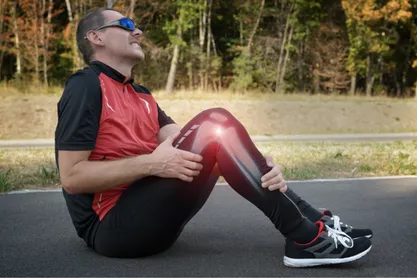
Knee injuries are among the most common and most serious sports injuries, often from pivoting, sudden stops, or direct contact in sports like soccer, basketball, and hockey. We treat ACL sprains and tears, MCL injuries, meniscus tears, and patellar tendon pain (jumper’s knee), whether you’re managing conservatively or rehabbing post-surgery.
Ankle Sprains & Instability
A rolled or sprained ankle is one of the most frequent injuries we see, common in running, basketball, and court sports. Left untreated, ankle sprains often lead to chronic instability and repeat injury — so proper rehab of the ligaments and surrounding stability muscles matters more than most people realize.
Shoulder Injuries (Rotator Cuff & Impingement)
Overhead and throwing sports — swimming, tennis, volleyball, hockey — put repetitive strain on the shoulder. We treat rotator cuff strains and tears, shoulder impingement, and instability, focusing on both pain relief and restoring safe overhead movement.
Tennis Elbow & Golfer’s Elbow
These overuse injuries affect the tendons of the elbow from repetitive gripping and swinging motions — not just from tennis or golf, but from racquet sports, weightlifting, and manual work too.
Muscle Strains & Tears
Hamstring, quadriceps, calf, and groin strains are common in sprinting, soccer, and sudden-acceleration sports. We grade the severity of the strain and build a progressive loading plan to restore full strength safely.
Achilles Tendon Injuries & Shin Splints
Common among runners and jumping-sport athletes, Achilles tendinopathy and shin splints are overuse injuries that respond well to a combination of manual therapy, load management, and targeted strengthening.
Plantar Fasciitis
Heel and arch pain from running or standing sports can be persistent if untreated. We address foot mechanics, footwear, and tissue tightness together for lasting relief.
Hip Flexor Injuries
Common in sprinting, kicking sports (soccer), and sports with explosive hip movement, hip flexor strains need targeted strengthening to avoid recurrence.
Overuse & Repetitive Strain Injuries
Not every injury comes from one big moment — many build gradually from training volume, poor mechanics, or insufficient recovery. We help identify the root cause behind recurring pain, not just treat the symptom.
Have an injury not listed here? We treat sprains, strains, tendon injuries, ligament injuries, and joint pain across the whole body — book an assessment and our team will guide you.
Our Sports Injury Physiotherapy Process
Recovery works best when it follows a clear, structured path. Here’s what to expect when you come to Rapharehab for sports injury physiotherapy in Etobicoke.
1. Comprehensive Assessment
Your first visit starts with a detailed conversation about your injury, sport, training history, and goals, followed by a physical assessment — testing strength, range of motion, joint stability, and movement patterns to pinpoint the true source of your pain.
2. Biomechanical & Movement Analysis
We look beyond the injury site to understand how you move. A knee problem, for example, might actually originate from hip weakness or poor landing mechanics. Identifying this early helps prevent future injuries.
3. Personalized Treatment Plan
Based on your assessment, we build a plan specific to your injury, sport, and recovery timeline — combining hands-on treatment, targeted exercise, and, where appropriate, supportive modalities.
4. Active Rehabilitation & Strength Rebuilding
As pain settles, treatment shifts toward restoring strength, control, and confidence in the injured area — the phase where most long-term prevention happens.
5. Return-to-Sport Training
Before you go back to full training or competition, we take you through sport-specific drills and functional testing to confirm you’re truly ready — not just pain-free, but performance-ready.
Techniques & Treatment Methods We Use
Our Etobicoke sports physiotherapists draw from a range of evidence-based, athlete-focused techniques, tailored to your injury and stage of recovery:
- Manual Therapy — hands-on joint mobilization and soft-tissue techniques to relieve pain and restore mobility
- Sport-Specific Exercise Therapy — strength, stability, and conditioning exercises built around the movement demands of your sport
- Soft Tissue Release — addressing muscle tightness, spasm, and restriction
- Taping & Bracing — kinesiology taping and supportive bracing for stability and injury prevention
- Gait & Movement Analysis — identifying biomechanical imbalances that raise your injury risk
- Shockwave Therapy & Electrotherapy Modalities — used to accelerate healing in chronic tendon and soft-tissue injuries
- Progressive Return-to-Sport Training — performance drills that safely rebuild power, agility, and confidence
Benefits of Sports Injury Physiotherapy at Rapharehab
- Faster, more structured recovery from injury
- Reduced pain, swelling, and inflammation
- Improved strength, mobility, and endurance
- Corrected movement mechanics that reduce re-injury risk
- Personalized rehab built around your specific sport and goals
- Increased confidence returning to training or competition
- Long-term strategies to help you stay active and injury-resistant
Who Sports Injury Physiotherapy Is For
You don’t need to be a competitive athlete to benefit from sports injury physiotherapy. We regularly treat:
- Competitive and semi-professional athletes
- Recreational league and weekend sport players (soccer, hockey, basketball)
- Runners training for 5Ks, 10Ks, and marathons
- Gym-goers and weightlifters
- Youth and school athletes
- Active adults returning to fitness after time off
- Anyone recovering from a sport-related surgery
Why Choose Rapharehab for Sports Injury Physiotherapy in Etobicoke?
There’s no shortage of physiotherapy clinics across Etobicoke — from Bloor West Village to Mimico, Islington, and the Kingsway. What sets Rapharehab apart is a genuinely individualized approach:
- Experienced sports physiotherapists who understand athletic demands, not just general rehab
- Detailed biomechanical assessments, not cookie-cutter treatment plans
- One-on-one sessions — your full appointment time is spent with your physiotherapist
- Modern rehab technology, including shockwave therapy and electrotherapy modalities
- Safe, progressive return-to-sport protocols rather than rushing you back too soon
- A multidisciplinary team — massage therapy, chiropractic, acupuncture, and exercise therapy under one roof if your recovery needs it
- A convenient Etobicoke location on Bloor Street West with flexible scheduling
- Direct billing to most major insurance providers
We treat the injury and the athlete behind it — because getting back to your sport safely matters as much as getting out of pain.
What to Expect at Your First AppointmentYour first visit typically takes 45–60 minutes and includes a full injury history, physical assessment, and a discussion of your goals — whether that’s returning to competitive sport, finishing your next race, or simply getting back to the gym pain-free. You’ll leave with a clear understanding of your diagnosis and a treatment plan tailored to your recovery timeline.
Insurance & Payment
Physiotherapy is covered under most extended health benefit plans, and Rapharehab offers direct billing to many major insurers to reduce out-of-pocket hassle. If you’re recovering from a car accident-related sports activity injury or a workplace injury, we also work with auto insurance (MVA) and WSIB claims. For full details, visit our Payment and Insurance page.
Serving Athletes Across Etobicoke
Our clinic on Bloor Street West is easily accessible for patients across Etobicoke and surrounding communities, including Bloor West Village, Islington, the Kingsway, Mimico, Humber Bay, New Toronto, and Long Branch — helping local athletes and active residents recover close to home.
Get Back to Peak Performance
Whether you’re recovering from a recent injury, managing a nagging overuse issue, or working to prevent your next one, sports injury physiotherapy gives you a clear, guided path back to full performance.
Book your sports injury physiotherapy assessment today and discover why Rapharehab is a trusted sports injury physiotherapy clinic in Etobicoke for athletes at every level.
Frequently Asked Questions
-
What is sports injury physiotherapy?
-
How is sports physiotherapy different from regular physiotherapy?
Sports physiotherapy goes beyond pain relief — it includes performance-focused rehabilitation, biomechanical analysis, and structured return-to-sport training tailored to the demands of your specific sport.
-
When should I see a physiotherapist after a sports injury?
As soon as possible after the injury. Early assessment helps prevent minor issues from becoming chronic and often shortens overall recovery time.
-
Do I need a doctor’s referral for sports injury physiotherapy in Ontario?
No, in Ontario you can book directly with a registered physiotherapist without a doctor’s referral. However, some insurance plans may require one for reimbursement — check with your provider.
-
What sports injuries do you treat at Rapharehab?
We treat ACL and MCL injuries, meniscus tears, ankle sprains, rotator cuff and shoulder injuries, tennis and golfer’s elbow, muscle strains, Achilles tendon injuries, shin splints, plantar fasciitis, hip flexor strains, and general overuse injuries.
-
How long does recovery from a sports injury take?
Recovery time varies by injury type and severity — minor strains may resolve in a few weeks, while ligament or tendon injuries can take several months. Your physiotherapist will give you a realistic timeline after assessment.
-
Can physiotherapy help me avoid surgery for a sports injury?
For many injuries, including some ligament sprains and meniscus tears, physiotherapy can be an effective non-surgical option. Your physiotherapist will advise whether conservative treatment is appropriate for your case.
-
What happens during a sports injury physiotherapy assessment?
Your physiotherapist will review your injury history, test strength, range of motion, and stability, and assess your movement patterns to identify the root cause of your pain before building your treatment plan.
-
Do you treat both acute and chronic sports injuries?
Yes. We treat recent, acute injuries as well as chronic overuse conditions that have built up over months or years of training.
-
Can sports physiotherapy help with a running injury?
Yes. Running-related injuries like shin splints, Achilles tendinopathy, and knee pain are commonly treated with a combination of manual therapy, gait analysis, and targeted strength work.
-
What is return-to-sport training?
It’s a progressive, structured phase of rehab that uses sport-specific drills and functional testing to confirm you’re physically ready to return to full training or competition — not just pain-free.
-
Will physiotherapy help prevent my injury from happening again?
A core part of sports physiotherapy is identifying the underlying cause of your injury — such as muscle imbalance or movement mechanics — and correcting it to reduce your risk of re-injury.
-
Do you offer shockwave therapy for tendon injuries?
Yes, shockwave therapy is available at Rapharehab and is often used for chronic tendon injuries such as Achilles tendinopathy, tennis elbow, and plantar fasciitis.
-
Is sports injury physiotherapy covered by insurance?
Most extended health benefit plans cover physiotherapy, and Rapharehab offers direct billing to many major insurers. Coverage details vary by plan.
-
How many physiotherapy sessions will I need?
This depends on the injury type, severity, and your recovery goals. Your physiotherapist will outline an estimated treatment plan and session frequency after your initial assessment.
-
Can youth and teenage athletes receive sports injury physiotherapy?
Yes, we treat young and school-age athletes, with treatment plans adjusted for growth stage and sport-specific demands.
-
What should I bring to my first appointment?
Comfortable clothing that allows movement of the injured area, any relevant medical reports or imaging, and your insurance information if applicable.
-
Do you treat weekend athletes and recreational players, or only competitive athletes?
We treat athletes at every level — from competitive and semi-professional players to recreational league players, gym-goers, and active adults.
-
What techniques are used in sports injury rehab at Rapharehab?
Our treatment may include manual therapy, sport-specific exercise therapy, soft tissue release, taping and bracing, gait analysis, shockwave therapy, and progressive return-to-sport training.
-
Can physiotherapy help with an old sports injury that never fully healed?
Yes. Many patients come to us with old, poorly rehabilitated injuries. A fresh assessment can often identify lingering weakness or compensation patterns and build a plan to resolve them properly.
-
Where is Rapharehab’s sports injury physiotherapy clinic located?
Rapharehab is located at 5 – 4335 Bloor Street West, Etobicoke, serving patients across Etobicoke, Bloor West Village, Islington, the Kingsway, and surrounding communities.
-
How do I book a sports injury physiotherapy appointment in Etobicoke?
You can call 647-722-3434 or book online through our contact page to schedule your assessment.