

A neck injury physiotherapist assesses the muscles, joints, and nerves of your cervical spine to find the root cause of pain, then uses manual therapy, targeted exercise, and education to relieve pain and restore normal movement.

Neck Injury Physiotherapy Management in Etobicoke
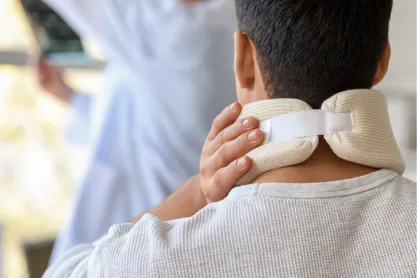

Neck Injury Physiotherapy Management in Etobicoke
Neck injury physiotherapy management in Etobicoke to relieve pain, restore mobility, and support safe recovery from whiplash and neck strain.

Neck Injury Physiotherapy in Etobicoke — Relieve Pain, Restore Movement, Prevent Recurrence
Relieve Pain • Restore Movement • Improve Stability
If turning your head to check your blind spot makes you wince, if you’re waking up with a stiff neck every morning, or if a recent car accident has left you with whiplash, you don’t have to just “wait it out.” At Rapharehab in Etobicoke, our registered physiotherapists specialize in neck injury physiotherapy management — a hands-on, evidence-based approach that identifies exactly what’s driving your pain and builds a recovery plan around it.
Neck pain is one of the most common musculoskeletal complaints among adults, and research shows that up to half of all people will experience a significant neck pain episode at some point in their lives. The good news: most neck pain is mechanical, meaning it responds very well to the right combination of manual therapy, targeted exercise, and posture correction — without surgery or long-term medication.
Whether your neck pain started after a motor vehicle accident, a bad night’s sleep, a sports collision, or years of hunching over a laptop, our Etobicoke physiotherapy team will assess the root cause and guide you through a safe, structured path back to comfortable, confident movement.
What Is Neck Injury Physiotherapy Management?
Neck injury physiotherapy is a specialized branch of musculoskeletal rehabilitation focused on the muscles, joints, discs, ligaments, and nerves of the cervical spine (the seven vertebrae, C1–C7, that make up your neck). Rather than simply masking pain, physiotherapy addresses why the pain is happening — whether that’s a stiff joint, an overloaded muscle, poor posture, or irritation of a nerve root — and then retrains the neck to move and function normally again.
At Rapharehab, neck physiotherapy typically helps patients:
- Reduce neck pain, stiffness, and muscle guarding
- Improve range of motion and rotation (turning to check mirrors, reversing the car, looking up or down)
- Relieve tension headaches and cervicogenic (neck-related) headaches
- Restore healthy posture and spinal alignment
- Reduce nerve irritation, tingling, and radiating arm pain
- Rebuild neck and upper back strength and control
- Recover safely from whiplash and other trauma-related injuries
- Prevent future flare-ups and long-term stiffness
Treatment is always progressive and paced to your comfort level — we never push a painful or irritated neck too hard, too fast.
Why Does Neck Pain Happen? Common Causes We See in Etobicoke Patients
Understanding why your neck hurts is the first step toward fixing it. In our Etobicoke clinic, we commonly see neck pain and injury caused by:
1. Motor Vehicle Accidents & Whiplash
A sudden rear-end or side-impact collision can whip the head backward and forward faster than the neck muscles can brace for, straining muscles, ligaments, and joints. This is the classic mechanism behind whiplash-associated disorder (WAD), and it’s one of the most common reasons Etobicoke drivers seek neck injury physiotherapy after a crash.
2. Poor Posture & “Tech Neck”
Hours spent looking down at a phone, laptop, or steering wheel place significant extra load on the cervical spine — for every inch your head shifts forward, the effective weight your neck muscles support increases dramatically. Over time this “tech neck” posture leads to chronic tightness, rounded shoulders, and recurring pain.
3. Workplace & Repetitive Strain
Desk-based jobs, prolonged screen time, and repetitive overhead or lifting tasks can gradually overload the neck and upper back, leading to workplace-related neck strain.
4. Sports & Sudden Movement Injuries
Contact sports, falls, and sudden awkward movements can strain or sprain the soft tissue and joints of the neck.
5. Sleep Position & Pillow Support
Sleeping in an awkward position or on unsupportive pillows is a frequent — and often overlooked — trigger for acute neck stiffness (“waking up with a crick in the neck”).
6. Degenerative Changes (Wear and Tear)
Just like any other joint, the small facet joints and discs in the neck can wear down over time, sometimes leading to stiffness, reduced mobility, or nerve irritation, especially in older adults.
Identifying which of these factors — or combination of factors — applies to you is central to our assessment process.
Common Symptoms of Neck Injury
People often delay treatment because they assume neck pain will resolve on its own. While mild stiffness sometimes does settle within a few days, you should consider a physiotherapy assessment if you’re experiencing:
- Sharp, stabbing, or aching pain in the neck
- Stiffness or reduced ability to turn your head
- Muscle tightness, spasm, or a “locked” feeling
- Headaches starting at the base of the skull (cervicogenic headaches)
- Pain that spreads into the shoulders or between the shoulder blades
- Tingling, numbness, or pain radiating down the arm or into the hand
- Dizziness or difficulty concentrating following an accident
- Pain that worsens with sitting, driving, or screen use
- Difficulty sleeping due to neck discomfort
Early treatment matters. Left unaddressed, neck injuries are more likely to become chronic, harder to resolve, and more disruptive to daily life, work, and sleep.
Conditions We Treat in Neck Injury Rehabilitation
Our Etobicoke physiotherapists are experienced in assessing and treating the full range of neck-related conditions, including:
| Condition | What It Involves |
|---|---|
| Whiplash injuries | Soft tissue trauma from sudden acceleration-deceleration, typically after a car accident |
| Neck sprains & strains | Overstretched or torn ligaments and muscles |
| Cervicogenic headaches | Headaches originating from neck joint or muscle dysfunction |
| Cervical radiculopathy (pinched nerve) | Nerve root irritation causing radiating arm pain, tingling, or numbness |
| Postural neck pain (“tech neck”) | Pain from prolonged forward-head posture and screen use |
| Facet joint irritation | Inflammation of the small joints connecting each vertebra |
| Muscle tightness & spasm | Protective muscle guarding around an irritated area |
| Reduced cervical mobility | Restricted rotation, side-bending, or flexion/extension |
| Workplace-related neck injuries | Strain from repetitive tasks, desk setup, or manual labour |
| Sports-related neck strain | Acute injury from contact or sudden movement |
| Chronic neck discomfort | Long-standing or recurring pain that hasn’t fully resolved |
If you’re unsure which of these describes your situation, that’s exactly what your initial assessment is for.
Our Neck Physiotherapy Process: What to Expect
Step 1 — Comprehensive Assessment
Your first visit includes a detailed history (how the pain started, what makes it better or worse) plus a hands-on physical assessment of your neck’s range of motion, strength, posture, and nerve function. This helps us pinpoint the actual source of your pain rather than just the location where you feel it.
Step 2 — Personalized Treatment Plan
Based on your assessment, we build a plan specific to your diagnosis, pain levels, and goals — whether that’s returning to work pain-free, driving comfortably again after an accident, or simply sleeping through the night without stiffness.
Step 3 — Hands-On & Active Treatment
Sessions combine manual therapy with active, progressive exercise. Passive-only approaches (rest, heat, “just wait it out”) are rarely enough on their own — research consistently shows that active, guided rehabilitation produces better long-term outcomes for neck pain and whiplash than passive treatment alone.
Step 4 — Home Program & Education
You’ll receive posture, ergonomic, and self-management guidance so progress made in the clinic carries over into your daily life, work setup, and sleep habits.
Step 5 — Progression & Prevention
As pain settles, treatment shifts toward strengthening and stability work to reduce the risk of re-injury and build long-term neck resilience.
Neck Injury Physiotherapy Techniques We Use
Your treatment plan at Rapharehab may draw from the following evidence-based techniques:
- Manual Therapy & Joint Mobilization — Restores movement in stiff or restricted neck joints.
- Soft Tissue Release — Relieves muscle tightness that contributes to pain and headaches.
- Whiplash Rehabilitation Techniques — Specifically addresses injuries from sudden acceleration or impact.
- Posture & Ergonomic Correction — Reduces strain caused by desk setup, screen habits, or driving posture.
- Neck Strengthening & Stability Training — Builds long-term support for the cervical spine.
- Nerve Mobilization Techniques — Eases tingling, radiating pain, and nerve compression symptoms.
- Stretching & Mobility Exercises — Restores natural, pain-free movement patterns.
- Heat, Laser & Electrotherapy — Supports pain control and tissue healing where appropriate.
Every plan is customized — not every patient needs every technique, and your program will evolve as you progress.
Benefits of Neck Injury Physiotherapy at Rapharehab
- Reduced pain and inflammation
- Restored neck mobility and flexibility
- Fewer headaches and less tension
- Improved posture and spinal alignment
- Increased neck strength and stability
- Better tolerance for work, driving, and daily activities
- Lower risk of re-injury or chronic pain
- A safe, supportive, patient-centred treatment environment
Many patients notice a meaningful reduction in pain within their first few sessions, though full recovery timelines vary depending on the severity and cause of the injury.
How Long Does Neck Injury Recovery Take?
Recovery timelines depend on the type and severity of the injury:
- Mild strain or postural neck pain: often improves within 1–2 weeks of active treatment
- Moderate whiplash or muscle injury: typically 4–8 weeks of structured physiotherapy
- Nerve-related pain (radiculopathy) or more complex injuries: may take several months, with gradual, closely monitored progression
Your physiotherapist will give you a realistic, individualized recovery estimate after your assessment — and adjust it as your body responds to treatment.
Why Choose Rapharehab for Neck Injury Physiotherapy in Etobicoke?
- Care from experienced physiotherapists who specialize in neck and whiplash injuries
- A thorough, hands-on assessment to identify the true root cause of your pain
- Customized treatment plans built around your condition, lifestyle, and goals
- Seamless integration with massage therapy, exercise therapy, and other modalities under one roof
- Practical education on posture, ergonomics, and self-management
- Patient-centred care in a welcoming, supportive Etobicoke clinic
- Convenient scheduling and direct billing options for many insurance plans
We’re focused on more than short-term relief — our goal is long-term neck health so the problem doesn’t keep coming back.
Self-Care Tips While You Wait for Your Appointment
- Keep your neck gently moving rather than fully immobilizing it (unless advised otherwise)
- Avoid prolonged forward-head postures — take screen breaks every 30–45 minutes
- Use a supportive pillow that keeps your neck neutral while sleeping
- Apply ice for acute swelling in the first 48 hours, then heat for ongoing stiffness
- Avoid heavy lifting or sudden neck movements until assessed
These tips can help manage symptoms short-term, but they are not a substitute for a proper physiotherapy assessment, especially after an accident or if symptoms are worsening.
Start Your Neck Recovery Today
If neck pain, stiffness, headaches, or whiplash is affecting your comfort, work, or sleep, physiotherapy can help you recover safely and effectively — without relying on medication alone.
Book your neck injury assessment today and experience why Rapharehab is a trusted provider of neck injury physiotherapy management in Etobicoke for pain relief, mobility restoration, and long-term wellness.
 5 – 4335 Bloor Street West, Etobicoke, ON M9C 2A5
  647-722-3434
Frequently Asked Questions
-
What does a neck injury physiotherapist do?
-
How do I know if my neck pain needs physiotherapy?
If your neck pain lasts more than a few days, limits your range of motion, causes headaches, or comes with tingling or numbness in your arm, it’s a good idea to book an assessment rather than wait it out.
-
Can physiotherapy help with whiplash from a car accident?
Yes. Whiplash responds well to early, active physiotherapy that combines gentle mobility work, manual therapy, and progressive strengthening — this generally produces better outcomes than rest alone.
-
How soon after a car accident should I start physiotherapy?
Most guidelines recommend starting gentle, guided movement and physiotherapy as early as symptoms allow, since prolonged rest and immobilization can slow recovery and increase the risk of chronic pain.
-
What is cervicogenic headache, and can physiotherapy treat it?
A cervicogenic headache originates from irritation in the neck’s joints or muscles rather than the head itself. Physiotherapy techniques like manual therapy and postural correction are often very effective at reducing this type of headache.
-
Is “tech neck” a real condition?
Yes. Prolonged forward-head posture from looking down at phones and laptops places extra strain on the neck and upper back, and is one of the most common causes of neck pain we treat.
-
Do I need a doctor’s referral to see a physiotherapist in Etobicoke?
In most cases, no — physiotherapists in Ontario are primary healthcare providers and you can book directly. A referral may be required for certain insurance or extended health plans, so it’s worth checking your policy.
-
Will my extended health insurance cover neck physiotherapy?
Most extended health benefit plans include physiotherapy coverage. We recommend checking your specific plan details, and our team can help clarify coverage and direct billing where available.
-
What happens during the first physiotherapy visit for neck pain?
Your first visit includes a discussion of your symptoms and history, a physical assessment of neck movement, strength, and posture, and the start of a personalized treatment plan.
-
How many physiotherapy sessions will I need for neck pain?
This varies by condition — mild strains may resolve in a few sessions over 1–2 weeks, while whiplash or nerve-related pain may need a longer program spanning several weeks to months.
-
Can neck pain cause headaches and dizziness?
Yes. Neck joint and muscle dysfunction can refer pain into the head (cervicogenic headache) and, in some cases, contribute to dizziness or balance disturbances, especially after trauma such as whiplash.
-
What’s the difference between a neck strain and whiplash?
A neck strain generally refers to overstretched muscles or ligaments from everyday movement, while whiplash specifically describes injury from a sudden acceleration-deceleration force, most often a car accident.
-
Can poor posture at a desk job really cause long-term neck problems?
Yes. Sustained forward-head posture increases load on the cervical spine over time and is a leading contributor to chronic neck tightness, stiffness, and recurring pain if left uncorrected.
-
What is cervical radiculopathy?
Cervical radiculopathy is nerve root irritation in the neck that causes pain, tingling, numbness, or weakness radiating into the shoulder, arm, or hand. Physiotherapy, including nerve mobilization techniques, can often relieve these symptoms.
-
Is it safe to exercise with neck pain?
In most cases, gentle, guided movement is safe and beneficial — complete rest can actually slow recovery. Your physiotherapist will tailor exercises to your comfort level and gradually progress intensity.
-
Can physiotherapy prevent neck pain from coming back?
Yes. Strengthening exercises, posture correction, and ergonomic education are key parts of treatment specifically aimed at reducing the risk of re-injury and chronic flare-ups.
-
What should I bring to my first appointment?
Bring any relevant medical reports, imaging results, a list of current medications, and your insurance information if applicable. Wearing comfortable clothing that allows access to your neck and shoulders is helpful.
-
Do you treat neck injuries from sports or workplace accidents?
Yes, our physiotherapists regularly treat sports-related neck strain and workplace-related neck injuries, including WSIB claims where applicable.
-
Can a pinched nerve in the neck heal without surgery?
Many cases of cervical radiculopathy improve significantly with conservative treatment such as physiotherapy, and surgery is typically only considered when symptoms are severe or don’t respond to non-surgical care.
-
What’s the best pillow or sleeping position for neck pain?
A pillow that keeps your neck in a neutral position — not tilted too far up or down — generally works best. Side or back sleeping with proper support tends to be easier on the neck than stomach sleeping.
-
How is a neck injury physiotherapy plan customized to each patient?
Your plan is based on your specific diagnosis, pain levels, daily activities, and recovery goals, identified during your initial assessment, and it’s adjusted as you progress through treatment.
-
Where is Rapharehab located, and do you serve all of Etobicoke?
Rapharehab is located at 5 – 4335 Bloor Street West, Etobicoke, and we welcome patients from across Etobicoke and the surrounding Toronto area.