

Primarily stress relief, relaxation, improved circulation, and easing muscle and foot tension. Many clients also use it to support better sleep, reduce tension headaches, and complement other treatments like massage or physiotherapy.
Foot Reflexology in Etobicoke
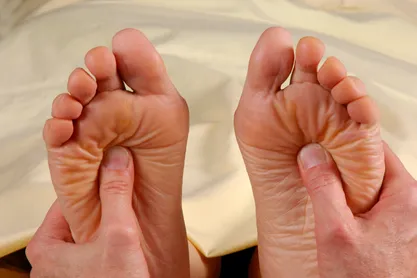

Foot Reflexology in Etobicoke
Relax, restore, and improve circulation naturally.
Targeted Pressure Point Therapy for Stress, Circulation, and Whole-Body Wellness
If your feet ache by the end of the day, your sleep feels shallow, or stress has settled in and never seems to lift, foot reflexology in Etobicoke at Rapharehab may be the missing piece in your wellness routine. This isn’t a generic foot rub. It’s a focused, pressure-point therapy built on the idea that specific zones on the feet correspond to organs and systems throughout the body, and that working those zones can ease tension, support circulation, and help the body reset.
At Rapharehab, our registered therapists combine traditional reflexology mapping with hands-on clinical experience, so every session here is built around what’s actually going on with you, not a one-size-fits-all routine.
Book a foot reflexology session in Etobicoke today, or keep reading to understand exactly how this therapy works, what it can help with, and what to expect from your first visit.
What Is Foot Reflexology? (And How Is It Different From a Foot Massage?)
This is one of the most common questions people ask before their first appointment, and it’s worth answering clearly.
Foot reflexology applies firm, targeted pressure to specific points and zones on the feet. According to reflexology theory, these zones mirror a map of the entire body: the toes connect to the head and sinuses, the ball of the foot relates to the chest and lungs, the arch corresponds to digestive organs, and the heel links to the lower back and pelvis. By working these reflex points with the thumbs and fingers, a trained therapist aims to stimulate circulation, release built-up tension, and support the nervous system’s natural relaxation response.
A standard foot massage, by contrast, is broader and more generalized. It focuses on relaxing the muscles and soft tissue of the foot and lower leg through kneading, stroking, and rubbing techniques, much like a massage anywhere else on the body. It feels good and reduces surface tension, but it isn’t mapped to organ systems the same way.
In short: a foot massage relaxes the foot. This therapy aims to influence the whole body through the foot. Many clients choose it specifically because it’s non-invasive, requires no oils, creams, or medication, and layers easily into an existing wellness or rehab plan without interfering with other treatments you’re receiving.
Are You Dealing With Any of These? Foot Reflexology May Help
Most people don’t walk in asking for a treatment by name. They’re looking for relief from something specific. If any of the following sound familiar, this is worth exploring.
“I’m constantly stressed and can’t switch my brain off.” Working reflex points linked to the stress response often brings a noticeable sense of calm during a session.
“My feet hurt by the end of every workday.” Whether you’re on your feet all day at work or just logging long hours on hard floors, accumulated soreness is one of the most common reasons clients book here.
“I have trouble falling, or staying, asleep.” Targeting points associated with relaxation can help calm an overactive nervous system enough to support deeper, more restful sleep.
“I deal with frequent tension headaches.” Tension that builds in the neck, jaw, and shoulders often radiates into headaches. Consistent sessions, used alongside other treatments, can reduce how often these occur.
“My circulation feels poor, and my feet are always cold or swollen.” These techniques are designed to stimulate blood flow to the lower extremities, easing the cold or mildly swollen sensations many people feel after long stretches of sitting or standing.
“I sit at a desk all day and feel stiff and sluggish.” Sedentary work affects circulation and energy as much as it affects your back. A session can be a genuine reset point in an otherwise inactive day.
“I’m recovering from an injury and want to support my healing.” This therapy is gentle enough to complement physiotherapy, massage, or chiropractic care without adding strain to an area that’s already healing.
“I just feel run-down and want to actually relax for an hour.” Sometimes the goal isn’t a specific symptom; it’s giving the body permission to slow down in a structured, therapeutic setting.
If you recognize yourself in even one of these, it’s worth booking a session and asking our therapists where to start.
How It Works: Pressure Points and Zone Mapping
The practice is organized around the idea that the body is divided into ten longitudinal zones, five on each side, running from the head down to the tips of the toes and fingers. Every organ and structure falls within one of these zones, and that same zone is represented somewhere on the foot.
A simplified breakdown of how reflex zones are commonly mapped:
- Toes: Correspond to the head, sinuses, neck, and upper respiratory system. Often the focus for headache and sinus-related tension.
- Ball of the foot: Linked to the chest, lungs, and heart. Many clients feel a noticeable release of upper-body tension here.
- Upper arch: Connected to digestive organs, including the stomach, liver, and pancreas.
- Lower arch: Relates to the intestines and lower digestive system.
- Heel: Associated with the lower back, hips, and pelvis, a common focus for clients dealing with lower-body tension or fatigue.
- Inner edge of the foot: Follows the spine, from neck to tailbone.
- Outer edge of the foot: Linked to the shoulders, arms, hips, and knees.
A trained therapist uses this map to identify which areas may need more attention based on what you’re experiencing, then applies sustained thumb and finger pressure, not broad strokes, to stimulate that specific zone. Certain points often feel tender to the touch during a session, which is generally read as a sign of where tension is concentrated. That tenderness typically eases as the session progresses.
Techniques Used at Rapharehab
Every session is shaped around your specific needs, but most treatments draw from this core set of techniques:
Thumb-Walking and Finger Pressure The foundation of the practice. Therapists use the edge of the thumb in small, controlled, “walking” movements across reflex zones to stimulate each point with consistent pressure.
Foot Mapping and Zone Work Before applying pressure, your therapist identifies which zones align with your goals, whether that’s stress relief, circulation support, or fatigue, and structures the session around those areas.
Gentle Stretching and Joint Mobility Light stretching of the foot and ankle improves flexibility, reduces stiffness, and helps the tissue respond more effectively to pressure work.
Circulation-Focused Massage Sweeping, rhythmic strokes are layered in to encourage blood flow, particularly useful for cold feet, mild swelling, or general sluggish circulation.
Breathing-Synced Relaxation Techniques Slower, rhythmic pressure is often timed to your breathing pattern, deepening the relaxation response throughout the nervous system.
Sessions are entirely hands-on. No oils, creams, tools, or medication are required, which makes this one of the cleanest and most accessible therapies available.
Conditions and Concerns This Therapy Can Support
Foot reflexology is widely used as a complementary therapy: it works well on its own for relaxation-based goals, and also works alongside other treatments for more specific concerns. Clients at our Etobicoke clinic commonly book sessions to help manage:
- Chronic stress and anxiety symptoms
- General fatigue and low energy
- Tension headaches and migraine-related tension
- Foot pain, soreness, and stiffness
- Plantar tension and tightness
- Poor circulation, including cold feet and mild swelling
- Sleep disturbances and difficulty winding down
- Muscle tightness, particularly in the lower back and legs
- Work-related stress and “always on” mental fatigue
- General wellness maintenance and stress prevention
- Recovery support alongside physiotherapy or massage therapy
It’s worth noting that this is a complementary therapy, not a replacement for medical diagnosis or treatment. If you’re managing a diagnosed medical condition, it can often be used safely alongside your existing care plan; our therapists will discuss this with you during intake.
What to Expect During Your First Session
Walking into something new is easier when you know what’s ahead. Here’s how a typical first visit unfolds at Rapharehab.
1. A Short Intake Conversation. Before any hands-on work begins, your therapist will ask about what brought you in, whether that’s stress, sleep issues, foot pain, or general wellness, along with any relevant health history.
2. Getting Comfortable. You’ll be seated in a comfortable, reclined position. Only your feet and lower legs are involved, so you remain fully clothed throughout.
3. The Treatment Itself. Your therapist works through reflex zones using thumb and finger pressure, adjusting intensity based on your comfort and feedback. Sessions typically run 30 to 60 minutes, depending on what’s booked and your specific goals.
4. Aftercare Guidance. Many clients feel deeply relaxed, occasionally a little tired, immediately afterward. This is normal. Your therapist may suggest hydration, rest, or simple stretches to extend the benefits.
5. Building a Plan. For ongoing concerns like chronic stress, sleep issues, or persistent foot tension, your therapist may recommend a short series of weekly visits initially, tapering to maintenance visits every few weeks once results feel consistent.
Benefits at Rapharehab
Clients who book sessions at our Etobicoke clinic consistently report:
- Noticeable stress reduction during and after each visit
- Improved circulation and reduced cold-foot sensations
- Less muscle and foot tension by the end of a session
- Better, more consistent sleep over time
- Greater mental clarity and a sense of being “reset”
- Reduced frequency of tension-related headaches
- A calming, low-pressure environment that doesn’t feel clinical or rushed
- A treatment that fits naturally alongside massage therapy, physiotherapy, or chiropractic care
Because every plan is built around your specific intake, no two sessions look exactly the same, which is part of why clients return.
Foot Reflexology vs. Massage Therapy: Which Should You Book?
This is a genuinely common question, and the honest answer is: it depends on your goal.
| Foot Reflexology | Massage Therapy | |
|---|---|---|
| Focus area | Specific reflex points and zones on the feet | Broader muscle groups across the full body |
| Best for | Stress relief, circulation, targeted internal-system support | Muscle tension, soreness, full-body relaxation |
| Technique | Sustained, targeted thumb and finger pressure | Kneading, stroking, broader soft-tissue work |
| Typical duration | 30–60 minutes | 30–90 minutes |
| Oils or lotion used | Usually none | Often used |
| Good combination | Pairs well with massage or physiotherapy for layered results | Pairs well with reflexology for full-body and targeted relief together |
If you’re unsure which is the better starting point, our therapists are happy to walk through your goals during a quick consultation and recommend the right fit, or combine both into a single wellness plan.
Is It Safe? What the Research Says
This therapy has been practiced for generations as a non-invasive, drug-free relaxation approach. It’s widely considered low-risk for most people, since it involves no needles, medication, or invasive techniques, only manual pressure applied to the feet.
That said, a few situations call for extra care. We recommend speaking with your therapist before booking if you:
- Are currently pregnant (certain points are generally avoided during pregnancy)
- Have a foot injury, fracture, or open wound
- Have a diagnosed circulatory condition, such as deep vein thrombosis
- Have recently had foot or lower-leg surgery
- Are managing a chronic illness and are unsure whether this fits safely into your care plan
Our therapists run a short intake before every first session specifically to flag any of these, so your treatment is built safely around your health history from day one.
It’s worth setting realistic expectations, too. This is a complementary, relaxation-based therapy, not a diagnostic tool, and isn’t intended to replace medical treatment for a diagnosed condition. For stress, circulation support, tension relief, and general wellness, though, it remains one of the most accessible, well-tolerated options available.
Why Choose Rapharehab for Foot Reflexology in Etobicoke?
There’s no shortage of spas and foot massage spots across the GTA. Here’s what sets a clinical session at Rapharehab apart from a typical strip-mall stop.
Registered, Clinically Trained Therapists. Our team works within a broader rehab clinic, trained to recognize when a symptom needs more than a relaxation-based approach, and can refer you internally if so.
Personalized Treatment Plans. Every session begins with a real conversation about what you’re experiencing, not a fixed routine applied to everyone who walks in.
A Genuinely Relaxing, Clinical Environment. Comfortable, quiet, and professional, without feeling like a rushed walk-in spa.
Easy Integration With Other Services. We also offer massage therapy, physiotherapy, chiropractic care, and acupuncture under the same roof, so your plan can evolve without starting over at a new clinic.
Convenient Etobicoke Location. Located at 4335 Bloor Street West, our clinic is easy to reach across Etobicoke, the West End, and surrounding GTA neighbourhoods, with flexible scheduling around work and family commitments.
Book your foot reflexology session in Etobicoke today and experience the difference a clinically grounded, personalized approach makes.
How Often Should You Book?
This depends entirely on what you’re using it for.
- For general stress relief or relaxation: A session every few weeks is often enough to maintain benefits.
- For chronic stress, poor sleep, or ongoing tension: Weekly visits for the first three to four weeks are commonly recommended, tapering to bi-weekly or monthly maintenance after.
- For circulation support or foot-specific discomfort: Your therapist will assess progress after a few sessions and adjust frequency based on how your body responds.
There’s no rigid formula; your therapist builds a realistic plan based on your goals, your schedule, and how you’re responding to treatment.
Frequently Asked Questions
-
What is foot reflexology used for?
-
How is foot reflexology different from a regular foot massage?
A foot massage relaxes the muscles and soft tissue of the foot through broader kneading and stroking. Reflexology targets specific reflex points believed to correspond to organs throughout the body, using sustained, focused pressure rather than general rubbing.
-
Does it hurt?
Most clients describe it as firm but comfortable, not painful. Certain points may feel tender, particularly areas linked to tension, but this typically eases as your therapist adjusts pressure to your comfort.
-
How long does a session take?
Sessions at Rapharehab typically run between 30 and 60 minutes, depending on the treatment booked and your goals.
-
What should I expect during my first appointment?
A short intake conversation about your health history and what you’re hoping to address, followed by a seated, fully clothed session where your therapist works through reflex zones on your feet.
-
Do I need to remove my socks?
Yes. The treatment is applied directly to bare feet so your therapist can accurately locate and work specific zones.
-
Is it safe during pregnancy?
It can often be adapted, but certain reflex points are generally avoided. Always tell your therapist if you’re pregnant before booking so the session can be adjusted accordingly.
-
Can it help with stress and anxiety?
Yes. This is one of the most common reasons clients book. Targeted pressure on points linked to the nervous system can trigger a noticeable relaxation response during a session.
-
Can it help with poor circulation or cold feet?
The techniques are designed to stimulate blood flow to the lower extremities, which many clients find helpful for cold feet, mild swelling, and sluggish circulation, especially after long periods of sitting or standing.
-
Does it help with headaches or migraines?
Reflex points in the toes are associated with the head and sinuses. Many clients find that consistent sessions help reduce the frequency of tension-related headaches, particularly alongside other stress-reduction strategies.
-
Can I book this if I have plantar fasciitis or foot pain?
Often, yes. Sessions can typically be adapted to work around sensitive or painful areas. Let your therapist know about any existing foot pain or diagnosed condition beforehand so your session can be adjusted safely.
-
How often should I get sessions?
Depends on your goals. General relaxation may need only a visit every few weeks, while ongoing stress, sleep issues, or tension often benefit from weekly sessions initially, tapering to maintenance over time.
-
Is this a substitute for medical treatment?
No. It’s a complementary, relaxation-based therapy, not a diagnostic tool, and shouldn’t replace medical treatment for a diagnosed condition, though it can often be used safely alongside your existing care plan.
-
Can it be combined with massage therapy or physiotherapy?
Yes, and it often is. Many clients layer this into a broader plan alongside massage, physiotherapy, or chiropractic care for more comprehensive results.
-
Who should speak to a therapist before booking?
Anyone who is pregnant, has a foot injury or fracture, has recently had foot or lower-leg surgery, has a diagnosed circulatory condition, or is managing a chronic illness should check in first so the session can be adjusted safely.
-
What does it feel like afterward?
Most clients feel deeply relaxed, occasionally a little tired. This is a normal response as the body settles after focused pressure work and is generally a sign the session was effective.
-
Is it covered by insurance in Ontario?
Coverage varies by provider and plan. Some extended health benefits include it, often under a “massage therapy” or “alternative therapies” category. Check directly with your provider; we’re happy to provide a receipt for self-submission.
-
What should I do before and after an appointment?
Drink water before and after to support circulation, and avoid scheduling anything too physically demanding immediately afterward. Many clients prefer to ease into the rest of their day.
-
Is it backed by scientific evidence?
It has a long history of traditional use, and a growing body of research explores its effects on stress, circulation, and relaxation. It’s considered complementary rather than clinically proven medical treatment, but many clients report consistent, noticeable benefits, particularly for stress and tension relief.
-
Where is Rapharehab’s clinic located in Etobicoke?
At 5–4335 Bloor Street West, Etobicoke, ON M9C 2A5, offering convenient access for clients across Etobicoke and the surrounding GTA.
-
How do I book an appointment?
Call 647-722-3434 or book online. Our team can also help you decide whether reflexology, massage therapy, or a combination is the right fit for your goals.
-
Can children or seniors receive this treatment?
Generally, yes, it’s gentle and adaptable across a wide age range, though pressure and session length are adjusted based on individual needs. Let your therapist know about age and any health considerations when booking.
Whether you’re dealing with chronic stress, sleep that never feels deep enough, foot pain from being on your feet all day, or you simply want one uninterrupted hour to let your body relax, foot reflexology at Rapharehab offers a focused, clinically grounded way to get there.
Our Etobicoke clinic combines registered, experienced therapists with a personalized approach, so every session is built around your goals, not a generic routine.
Book your foot reflexology session in Etobicoke today and discover why Rapharehab is a trusted choice for stress relief, circulation support, and holistic wellness.
📍 5–4335 Bloor Street West, Etobicoke, ON M9C 2A5 📞 647-722-3434