

Cupping therapy is used to relieve muscle tension, improve circulation, reduce chronic pain and stiffness, and support recovery from strain, overuse, or stress-related tightness.
Cupping Therapy

Cupping Therapy
Cupping therapy in Etobicoke to relieve pain, reduce tension, and improve circulation through gentle therapeutic suction.
Cupping Therapy in Etobicoke: Natural Pain Relief, Muscle Recovery & Better Circulation
Relieve Tension • Boost Circulation • Restore Comfort — Without Drugs or Downtime
If tight muscles, stubborn back pain, or constant shoulder tension are slowing you down, you’re not alone — and you don’t have to just “live with it.” At Rapharehab in Etobicoke, our cupping therapy uses gentle, controlled suction to lift soft tissue, release deep-seated tension, and get blood flowing to areas that need it most.
Cupping therapy in Etobicoke at Rapharehab is delivered by trained practitioners who tailor every session to your body, your pain level, and your goals — whether you’re dealing with chronic pain, recovering from a workout, or simply feel “stuck” and tight all over. It’s often combined with physiotherapy or massage therapy for even faster, longer-lasting results.
What Is Cupping Therapy?
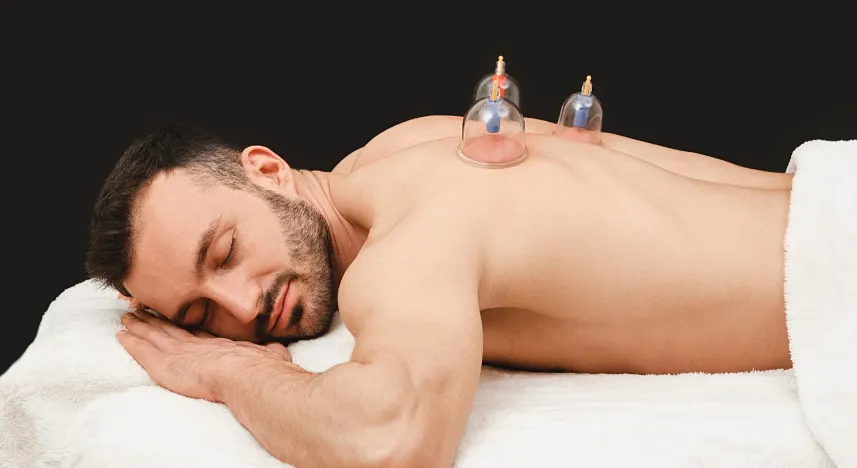
Cupping therapy is a non-invasive treatment where specialized cups are placed on the skin to create gentle suction. Instead of pressing down into the muscle the way a massage does, cupping gently lifts and separates the layers of skin, fascia, and muscle. This “negative pressure” draws blood flow to the area, helps release adhesions between tissue layers, and encourages the nervous system to relax.
Where deep tissue massage works by compression, cupping therapy works by decompression — which is why many people who find regular massage too intense actually prefer cupping.
At Rapharehab, cupping is used to:
- Reduce muscle tension and tightness
- Improve blood flow and circulation
- Relieve chronic pain and stiffness
- Promote deep relaxation and stress relief
- Enhance mobility and tissue flexibility
- Speed up recovery from strain, overuse, or exercise
- Help calm inflammation in targeted areas
Cupping is suitable for people at every activity level, from weekend athletes to office workers with desk-related tightness, and is frequently paired with physiotherapy or massage therapy for a more complete treatment plan.
A Brief History of Cupping Therapy
Cupping isn’t new — it’s one of the oldest manual therapies in the world, with roots in ancient Chinese, Egyptian, and Middle Eastern medicine dating back thousands of years. What has changed is the science behind it. Modern cupping practitioners use it as an evidence-informed, hands-on technique to support circulation, myofascial release, and pain management, integrated alongside physiotherapy rather than as a stand-alone “alternative” treatment.
Signs You May Benefit From Cupping Therapy in Etobicoke
Many people wait months — sometimes years — before trying cupping, simply because they don’t realize how much it can help. You may be a good candidate for cupping therapy if you notice:
- Tight, “knotted” muscles in your neck, shoulders, or upper back
- Lower back pain that flares up after sitting or standing too long
- Chronic tension headaches or jaw/neck tightness
- Muscle soreness that lingers days after a workout or sport
- A feeling of being “stuck” or restricted when you move
- Poor circulation, cold hands/feet, or heaviness in the legs
- Stress that seems to settle into your shoulders and upper back
- Scar tissue or fascial restrictions limiting your range of motion
If any of this sounds familiar, cupping therapy at Rapharehab can be an effective first step — either on its own or as part of a broader rehab plan.
Types of Cupping Therapy We Offer in Etobicoke
Not all cupping is the same, and the right technique depends on your goal, your pain level, and how your body responds. At Rapharehab, your practitioner selects (or combines) the following methods:
Dry Cupping
The most common technique. Cups are placed on the skin and gentle suction is applied to reduce muscle tightness and improve circulation in the treated area. Cups may be left stationary for several minutes.
Glide (Moving) Cupping
Instead of staying in one spot, the cups are gently glided across larger areas of soft tissue — the back, thighs, or shoulders — to release fascial tension over a broader region. Massage oil or lotion is used to allow the cups to move smoothly.
Static Cupping
Cups remain in specific, targeted spots for a set period of time. This approach is often used for a focused “hot spot” of discomfort, such as a single knot or trigger point.
Myofascial Cupping
Focused specifically on releasing deep fascial restrictions — the connective tissue web that surrounds muscles — to improve movement, reduce stiffness, and restore normal tissue glide.
Cupping Combined with Manual Therapy or Physiotherapy
For patients dealing with a specific injury or ongoing condition, cupping is layered into a broader physiotherapy or massage treatment plan, combining hands-on techniques with suction-based release for a more complete outcome.
Every cupping session at our Etobicoke clinic starts with a conversation about your comfort level, pressure preference, and treatment goals — cupping should never be painful.
Conditions Cupping Therapy Can Help With
Cupping therapy is commonly used to support recovery and reduce discomfort from a wide range of conditions, including:
Muscle & Joint Pain
- Neck and shoulder tension
- Lower back pain
- Chronic muscle tightness
- Hip and glute tightness
- Postural stiffness (from desk work, driving, or screen time)
Activity-Related Discomfort
- Sports-related muscle strain
- Muscle fatigue and soreness after training
- Limited mobility from fascial restrictions
Stress & Circulation-Related Issues
- Headaches and tension-related discomfort
- Stress-related muscle tension
- Poor circulation and muscle fatigue
Cupping can be used as a stand-alone treatment for general tension and stress relief, or built into a complete rehabilitation plan alongside physiotherapy, massage therapy, or acupuncture for a specific injury.
Benefits of Cupping Therapy at Rapharehab
Patients choose cupping therapy in Etobicoke at Rapharehab because it offers:
- Deep muscle relaxation and tension release
- Improved circulation and tissue healing
- Reduced muscle and fascial tightness
- Faster recovery after activity, training, or strain
- Relief from chronic pain and stiffness
- Better mobility, flexibility, and range of motion
- A natural, drug-free option for pain management
- Improved overall sense of well-being
Most patients describe feeling noticeably lighter, looser, and more relaxed immediately after their first session — with cumulative benefits building over a short series of treatments.
What to Expect During Your Cupping Therapy Session
If you’ve never had cupping done before, it’s normal to feel a little unsure about what happens. Here’s what a typical visit at Rapharehab looks like.
Before Your Session
Your practitioner will ask about your medical history, current symptoms, medications, and treatment goals. This helps confirm that cupping is appropriate for you and determines which technique (dry, glide, static, or myofascial) will work best.
During the Treatment
Cups are applied to clean, oiled or dry skin, depending on the technique. You’ll feel a gentle pulling sensation as the cup lifts the skin and tissue — most patients describe this as a mild, tolerable pressure, not pain. Cups may stay still or glide slowly over the treatment area. Sessions are typically integrated with a broader physiotherapy or massage appointment.
After Cupping — Marks & Aftercare
It’s common to see circular marks on the skin after a cupping session, ranging from light pink to a deeper purple depending on the level of tension and blood flow in that area. These marks are not bruises from injury — they’re a normal response to increased circulation and typically fade within a few days to about a week. Your practitioner will give you simple aftercare guidance, such as staying hydrated and avoiding intense activity for the rest of the day.
Is Cupping Therapy Safe? Who Should Avoid It
Cupping therapy is considered a safe, low-risk treatment for most people when performed by a trained practitioner. That said, it isn’t right for everyone. Your Rapharehab practitioner will screen for the following before treatment:
- Active skin infections, open wounds, or burns in the treatment area
- Certain blood clotting disorders or use of blood-thinning medication
- Pregnancy (some areas and techniques are avoided or modified)
- Severe varicose veins in the treatment area
- Recent surgery in the area being treated
- Certain uncontrolled medical conditions
If any of these apply to you, it doesn’t necessarily mean cupping is off the table — it means your practitioner will adjust the technique, target area, or pressure, or recommend an alternative treatment instead. A proper intake before every session ensures cupping is both safe and effective for you.
Cupping Therapy vs. Massage vs. Acupuncture — What’s the Difference?
A common question we hear at our Etobicoke clinic is how cupping compares to other hands-on treatments.
| Treatment | How It Works | Best For |
|---|---|---|
| Cupping Therapy | Suction lifts and decompresses skin, fascia, and muscle | Tight fascia, stubborn muscle knots, circulation issues |
| Massage Therapy | Compression and kneading of soft tissue | General relaxation, muscle soreness, stress relief |
| Acupuncture | Fine needles inserted at specific points | Pain signaling, nervous system regulation, chronic pain |
Many patients find the best results by combining cupping with massage therapy or physiotherapy, rather than choosing just one. Your practitioner can help you decide what’s right for your specific situation during your first visit.
Cupping Therapy Cost & Insurance Coverage in Etobicoke
Cupping is typically offered as part of a physiotherapy or massage therapy treatment session rather than billed as a completely separate service, which means it’s often eligible under the same extended health benefits that cover physiotherapy or registered massage therapy (RMT) visits. Coverage varies by provider and plan, so we recommend checking your policy for physiotherapy or massage therapy benefits specifically. Our front desk team can help clarify what’s included in your visit and answer any billing questions before you book — visit our Payment and Insurance page for more details.
Why Choose Rapharehab for Cupping Therapy in Etobicoke?
- Treatment from trained, experienced cupping practitioners
- Safe, modern cupping techniques tailored to your comfort level
- Seamless integration with physiotherapy or massage therapy when needed
- A calm, supportive clinic environment focused on real results
- Evidence-informed care, not one-size-fits-all treatment
- Clear communication about what to expect at every step
- Flexible appointments at a convenient Etobicoke location on Bloor Street West
We ensure every cupping session is comfortable, effective, and built around your body — not a generic script.
Experience Gentle, Effective Relief — Book Your Cupping Session Today
If muscle tension, stiffness, or chronic discomfort is holding you back from moving, working, or training the way you want to, cupping therapy can help you get there. Book your cupping therapy appointment in Etobicoke today and discover why Rapharehab is a trusted provider of cupping therapy for pain relief, circulation improvement, and deep muscle relaxation.
Frequently Asked Questions
-
What is cupping therapy used for?
-
Does cupping therapy hurt?
No — cupping should not be painful. Most patients feel a gentle pulling or lifting sensation rather than pressure or pain. Pressure is always adjusted to your comfort level.
-
How long do cupping marks last?
Cupping marks typically fade within a few days to about a week, depending on the level of tension and circulation in the treated area. They are not bruises from injury.
-
Is cupping therapy safe?
Yes, for most people, when performed by a trained practitioner who screens your medical history first. Certain conditions, like blood clotting disorders or active skin infections, may require a modified approach.
-
How often should I get cupping done?
This depends on your goals and symptoms. Some patients benefit from a single session for general tension relief, while others with chronic conditions may do a short series of weekly sessions.
-
Can cupping therapy help with lower back pain?
Yes. Cupping is commonly used to relieve tightness and stiffness associated with lower back pain, particularly when paired with physiotherapy or manual therapy.
-
Is cupping the same as a massage?
No. Massage uses compression to work into muscle tissue, while cupping uses suction to lift and decompress the skin, fascia, and muscle. Many patients benefit from combining both.
-
Can cupping therapy help with headaches?
Cupping applied to the neck, shoulders, and upper back can help relieve tension-related headaches by reducing muscle tightness in areas that commonly contribute to head pain.
-
What should I wear to a cupping therapy appointment?
Loose, comfortable clothing is ideal, especially something that allows easy access to the area being treated (back, shoulders, neck, or legs).
-
Is cupping therapy covered by insurance in Ontario?
Cupping is generally provided as part of a physiotherapy or registered massage therapy session, so it’s often covered under the same extended health benefits as those services. Coverage depends on your individual plan.
-
How long does a cupping therapy session take?
Cupping is usually integrated into a 30–60 minute physiotherapy or massage therapy session, with time allocated specifically for the cupping technique based on your treatment plan.
-
Can I exercise after cupping therapy?
We generally recommend light activity and avoiding intense exercise for the rest of the day after a session, to let your body respond to the treatment.
-
Who should avoid cupping therapy?
People with active skin infections, open wounds, certain blood clotting disorders, severe varicose veins in the treatment area, or who are pregnant may need a modified approach or an alternative treatment.
-
What’s the difference between dry cupping and glide cupping?
Dry cupping keeps the cups stationary on the skin, while glide (moving) cupping slides the cups across a broader area to release tension over a larger region.
-
Can cupping therapy improve circulation?
Yes. The suction created during cupping increases blood flow to the treated area, which can support tissue healing and reduce feelings of heaviness or fatigue.
-
Is cupping good for athletes?
Many athletes use cupping to manage muscle soreness, speed up recovery after training, and address tightness from repetitive movement or overuse.
-
Will I need more than one cupping session?
Some people feel relief after a single session, while others — particularly those with chronic tension — see the best results from a short series of sessions.
-
Can cupping be combined with physiotherapy?
Yes, cupping is frequently used alongside physiotherapy to enhance mobility work, manual therapy, and exercise-based rehabilitation for a more complete treatment plan.
-
Does cupping therapy help with stress?
Many patients find cupping deeply relaxing, and the suction technique can help ease muscle tension that builds up from chronic stress, particularly in the shoulders and upper back.
-
How do I know if cupping therapy is right for me?
The best way to know is a short conversation with a practitioner about your symptoms, goals, and health history. At Rapharehab, every cupping session starts with this assessment to make sure it’s the right fit.
-
Where can I get cupping therapy in Etobicoke?
Rapharehab offers cupping therapy at our Etobicoke clinic located at 5 – 4335 Bloor Street West, combined with physiotherapy and massage therapy services as needed.
-
Can cupping therapy help with poor posture?
Yes. Cupping can help relieve the muscle tightness and fascial restrictions that build up from prolonged sitting, screen use, or poor postural habits, especially in the neck, shoulders, and upper back.