

It’s a specialized form of physiotherapy that assesses and treats the muscles, ligaments, and connective tissue supporting your bladder, bowel, uterus or prostate, and core, to resolve pain, weakness, or dysfunction in that area.

Pelvic Floor Physiotherapy in Etobicoke
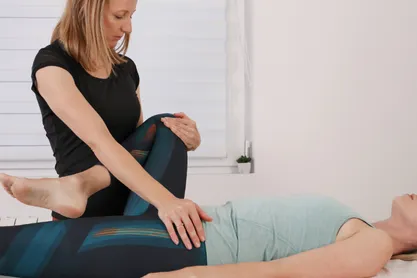

Pelvic Floor Physiotherapy in Etobicoke
Pelvic floor physiotherapy in Etobicoke to relieve pain, improve bladder control, and support postpartum and core recovery.
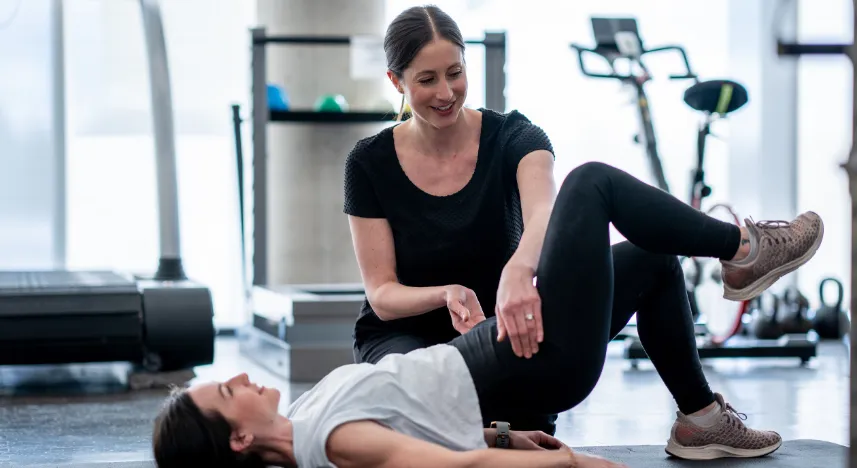
Pelvic Floor Physiotherapy in Etobicoke
Restore Strength. Regain Control. Reclaim Your Life — Without Pain or Embarrassment.
If you’ve been living with bladder leaks, pelvic pain, or discomfort you’ve never told anyone about, you are not alone — and you don’t have to just “manage” it. Pelvic floor physiotherapy in Etobicoke at Rapharehab helps women and men resolve pelvic pain, bladder and bowel issues, postpartum weakness, and core dysfunction through private, one-on-one, evidence-based care.
Our specially trained pelvic health physiotherapists take the time to understand what you’re experiencing, explain exactly what’s happening in your body, and build a treatment plan around your comfort level — not a generic checklist. Whether you’re newly postpartum, months (or years) into unresolved pelvic pain, or simply tired of planning your day around the nearest bathroom, our Etobicoke clinic is here to help you feel like yourself again.
📍 Conveniently located at 5 – 4335 Bloor Street West, Etobicoke | 📞 647-722-3434
What Is Pelvic Floor Physiotherapy?
Pelvic floor physiotherapy is a specialized branch of physiotherapy focused on the muscles, ligaments, and connective tissue that form a supportive “hammock” at the base of your pelvis — holding up your bladder, bowel, uterus (or prostate), and core.
When these muscles are weak, tight, overactive, or poorly coordinated, the effects ripple outward: leaking when you laugh or sneeze, pain during intercourse, a dragging or heavy feeling, low back pain that won’t resolve, or a core that never feels “switched on” again after pregnancy or surgery.
A pelvic health physiotherapist assesses how these muscles are functioning — not just whether they’re “strong” or “weak,” but how well they coordinate with your breath, your core, and your everyday movement — and builds a treatment plan to restore normal function.
Pelvic floor physiotherapy supports:
- Bladder and bowel control
- Core strength and spinal stability
- Sexual comfort and function
- Pelvic, hip, and lower-back support
- Postpartum and post-surgical recovery
- Pain reduction and improved mobility
Signs You May Need Pelvic Floor Physiotherapy
Many people live with pelvic floor dysfunction for years before seeking help — often because they assume it’s “just part of getting older,” “normal after having kids,” or too embarrassing to bring up. It isn’t, and it’s treatable. Consider a pelvic floor physiotherapy assessment in Etobicoke if you notice:
- Leaking urine when you cough, sneeze, laugh, or exercise
- A sudden, urgent need to urinate that’s hard to control
- Waking multiple times a night to use the bathroom
- Pain, pressure, or a heavy/dragging sensation in the pelvis
- Pain during or after intercourse
- Ongoing low back, hip, or tailbone pain that hasn’t responded to other treatment
- A visible bulge or gap along your abdominal midline (possible diastasis recti)
- Constipation, straining, or a feeling of incomplete bowel emptying
- Pelvic discomfort during pregnancy or that persists after childbirth
- A core that feels weak or disconnected, even months after delivery or surgery
If any of this sounds familiar, it’s worth having it properly assessed rather than working around it indefinitely.
Conditions We Treat With Pelvic Floor Physiotherapy in Etobicoke
Our Etobicoke pelvic health physiotherapists have experience treating a wide range of pelvic floor conditions in people of all genders and ages, including:
- Urinary incontinence (stress, urge, and mixed incontinence)
- Overactive bladder and urinary urgency/frequency
- Pelvic pain and pressure, including chronic pelvic pain
- Pelvic organ prolapse (bladder, uterine, or rectal)
- Painful intercourse (dyspareunia) and vaginismus
- Diastasis recti (abdominal separation)
- Tailbone (coccyx) pain
- Constipation and bowel dysfunction
- Pregnancy-related pelvic girdle and low back pain
- Postpartum pelvic floor weakness and core dysfunction
- Post-surgical pelvic issues, including post-prostatectomy recovery
- Pelvic and hip pain related to sports or overuse
- Core weakness and instability
Every one of these conditions can affect daily life, confidence, and physical activity — and every one of them can improve with the right treatment plan.
Who Can Benefit From Pelvic Floor Physiotherapy?
Pelvic floor dysfunction isn’t limited to one group of people. At Rapharehab, we see:
Pregnant and postpartum individuals — Pregnancy changes the way your core and pelvic floor work together, and childbirth (vaginal or C-section) adds further strain. Pelvic floor physiotherapy for postpartum recovery in Etobicoke helps rebuild strength, close ab separation, and address leaking or pain before it becomes a long-term issue.
Men — Pelvic floor physiotherapy for men addresses urinary leakage after prostate surgery, pelvic pain, and bowel or bladder dysfunction. This is an under-discussed area of men’s health, and one our team treats regularly.
Post-surgical patients — Recovering from pelvic, abdominal, gynecological, or prostate surgery often benefits from guided pelvic floor rehabilitation to restore function safely.
Athletes and active individuals — High-impact training, running, or heavy lifting can expose pelvic floor weakness or overactivity that shows up as leaking, pain, or reduced performance.
Anyone with unresolved pelvic, hip, or low back pain — When standard physiotherapy or chiropractic care hasn’t fully resolved lower back or hip pain, the pelvic floor is often part of the picture.
What to Expect at Your First Pelvic Floor Physiotherapy Appointment
We know starting pelvic floor physiotherapy can feel intimidating if you’ve never done it before. Here’s exactly what happens, so there are no surprises:
1. A Thorough, Private Conversation First
Your physiotherapist will ask about your symptoms, medical history, pregnancies or surgeries, bladder and bowel habits, and daily activity — in a private room, at your pace. Nothing happens without your full understanding and consent.
2. Assessment
Depending on your symptoms and comfort level, assessment may include external evaluation of your posture, breathing, hips, and lower back, and — where appropriate and with your consent — an internal assessment, which remains the most accurate way to evaluate pelvic floor muscle tone, strength, and coordination. An external-only approach is always available if you prefer to start there.
3. A Personalized Treatment Plan
Based on your assessment, your physiotherapist builds a plan specific to your goals — whether that’s stopping leaks, reducing pain, preparing for or recovering from birth, or rebuilding core strength.
4. Ongoing, Progressive Care
Treatment progresses over multiple visits, combining hands-on therapy, targeted exercises, and home strategies, with your plan adjusted as you improve.
Pelvic floor physiotherapy should not be painful. Some techniques may cause mild, brief discomfort — similar to other manual therapy — but treatment is always paced to your tolerance and never proceeds without your consent.
Pelvic Floor Physiotherapy Techniques We Use
Our Etobicoke pelvic health physiotherapists use advanced, patient-centered techniques grounded in current evidence — not just Kegels:
- Internal & external pelvic assessments — gentle evaluation of muscle tone, strength, and movement
- Pelvic floor strengthening — targeted exercises to rebuild control and stability
- Relaxation and downtraining — releasing tight or overactive pelvic muscles, which is often the missing piece for pain-based conditions
- Breathing and core coordination — retraining the relationship between your diaphragm, core, and pelvic floor
- Manual therapy — addressing muscle tension, scar tissue, and mobility restrictions
- Biofeedback training — building awareness and control over muscles you can’t easily see or feel
- Postural and movement correction — supporting long-term pelvic health during everyday activity and exercise
- Education and home exercise programs — so progress continues between visits
Benefits of Pelvic Floor Physiotherapy at Rapharehab
Patients who complete a pelvic floor physiotherapy program in Etobicoke commonly experience:
- Reduced or resolved urinary leakage
- Less pelvic pain and muscle tension
- Better bladder and bowel control
- Faster, more complete postpartum recovery
- Improved core stability and reduced back/hip pain
- Support through pregnancy and after
- More comfortable, confident intimacy
- A private, judgment-free path to feeling like yourself again
Clinical research consistently supports pelvic floor physiotherapy as a first-line treatment — for example, supervised pelvic floor muscle training is well documented to significantly outperform no treatment for stress urinary incontinence, which is why it’s recommended before more invasive options are considered.
Why Choose Rapharehab for Pelvic Floor Physiotherapy in Etobicoke?
There’s no shortage of physiotherapy clinics — here’s what makes pelvic floor care at Rapharehab different:
- Specially trained pelvic health physiotherapists, not general physiotherapists treating pelvic issues as an afterthought
- Private, comfortable treatment rooms for every assessment and session
- Thorough, judgment-free assessments with care always guided by your comfort and consent
- Evidence-based techniques, not one-size-fits-all protocols
- Integrated care — when helpful, your pelvic floor program connects with our physiotherapy, exercise therapy, and chronic pain management services for complex or overlapping issues
- Convenient Etobicoke location on Bloor Street West with flexible appointment times
- A supportive, non-judgmental environment where you set the pace
Cost & Insurance for Pelvic Floor Physiotherapy
Pelvic floor physiotherapy is billed as a physiotherapy service, so it’s typically covered — fully or partially — under most extended health benefit plans, even though it isn’t covered by OHIP. A doctor’s referral is generally not required to book, though some insurance plans may request one for reimbursement purposes. Our team can help clarify coverage and provide the documentation you need for your insurer.
Begin Your Pelvic Health Journey in Etobicoke
Pelvic floor dysfunction is common — and highly treatable. You don’t need to keep working around bladder leaks, pelvic pain, or a core that doesn’t feel right anymore. With the right assessment and a personalized plan, most people see meaningful improvement.
Book your pelvic floor physiotherapy assessment in Etobicoke today and take the first step toward relief, confidence, and control — with a team that treats this the way it deserves to be treated: privately, respectfully, and effectively.
📞 Call 647-722-3434 or 416-622-2873 to book your appointment.
Frequently Asked Questions
-
What is pelvic floor physiotherapy?
-
How do I know if I need pelvic floor physiotherapy?
If you experience urinary leakage, pelvic pain or pressure, painful intercourse, ongoing low back or hip pain, constipation, or postpartum weakness, a pelvic floor assessment can identify the cause and treatment path.
-
Is pelvic floor physiotherapy only for women?
No. Men experience pelvic floor dysfunction too, including pelvic pain, bowel/bladder issues, and post-prostatectomy incontinence. We treat all genders.
-
Does pelvic floor physiotherapy hurt?
It shouldn’t be painful. Some techniques may cause mild, temporary discomfort, similar to other hands-on physiotherapy, but treatment is always paced to your comfort.
-
What happens during a pelvic floor physiotherapy assessment?
Your physiotherapist takes a detailed history, then performs an external assessment of your posture, breathing, hips, and low back. An internal assessment may be offered as the most accurate way to evaluate pelvic floor muscle function, always with your full consent, and an external-only approach is available if preferred.
-
Is an internal exam required?
No. While internal assessment is considered the most precise way to evaluate the pelvic floor, treatment can begin externally and progress only when you’re ready.
-
Do I need a doctor’s referral for pelvic floor physiotherapy?
Generally, no. You can book directly. Some insurance plans may ask for a referral for reimbursement purposes, which our team can help you sort out.
-
Is pelvic floor physiotherapy covered by insurance?
It’s usually covered under extended health benefit plans as a physiotherapy service, though it is not covered by OHIP directly. Coverage varies by plan.
-
How many sessions of pelvic floor physiotherapy will I need?
It depends on your condition, its severity, and your goals. Some people notice improvement within a few sessions; others need several weeks of consistent treatment. Your physiotherapist will outline an estimated plan after your first assessment.
-
Can pelvic floor physiotherapy help with urinary incontinence?
Yes. Supervised pelvic floor muscle training is a well-supported first-line treatment for stress and urge incontinence, often significantly more effective than no treatment at all.
-
Can pelvic floor physiotherapy help postpartum recovery?
Yes. It helps rebuild core and pelvic floor strength, addresses diastasis recti, and treats leaking, pain, or heaviness that can develop after vaginal or C-section delivery.
-
When should I start pelvic floor physiotherapy after giving birth?
Many people benefit from an assessment as early as a few weeks postpartum, once cleared by their doctor, though it’s never “too late” to start — even years later.
-
Can pelvic floor physiotherapy help during pregnancy?
Yes. It can ease pelvic girdle and low back pain, improve core support, and help prepare the body for labour and delivery.
-
What is diastasis recti and can physiotherapy help?
Diastasis recti is a separation of the abdominal muscles, common after pregnancy. Pelvic floor and core-focused physiotherapy can help close the gap and restore core function.
-
Can pelvic floor physiotherapy help with painful intercourse?
Yes. Pain during intercourse (dyspareunia) is often linked to pelvic floor muscle tension or dysfunction, which can be treated with manual therapy, relaxation techniques, and guided exercises.
-
Can pelvic floor physiotherapy help pelvic organ prolapse?
Yes, particularly for mild to moderate prolapse. Physiotherapy can improve pelvic floor support and reduce symptoms, and may be used alongside other medical management.
-
Can pelvic floor physiotherapy help lower back or hip pain?
Often, yes. The pelvic floor works closely with your core, hips, and low back — dysfunction in one area frequently contributes to pain in another.
-
What should I wear to my pelvic floor physiotherapy appointment?
Comfortable, loose clothing you can move in easily. Your physiotherapist will explain exactly what to expect before any assessment begins.
-
Is pelvic floor physiotherapy private and confidential?
Yes. All assessments and treatment take place in private treatment rooms, one-on-one with your physiotherapist.
-
Can pelvic floor physiotherapy help men after prostate surgery?
Yes. It’s commonly used to help restore bladder control and pelvic function following prostatectomy.
-
What is pelvic floor “downtraining” and who needs it?
Downtraining is a relaxation-based technique for pelvic muscles that are too tight or overactive, rather than weak. It’s often used for pelvic pain, painful intercourse, and some cases of urinary urgency.
-
Will I be given exercises to do at home?
Yes. Home exercises and lifestyle guidance are a core part of pelvic floor physiotherapy and help maintain progress between sessions.
-
How do I book a pelvic floor physiotherapy appointment in Etobicoke?
Call Rapharehab at 647-722-3434 or 416-622-2873, or book through our website. No referral is required to get started.