

It involves a combination of manual therapy, targeted exercises, tendon gliding techniques, strengthening, and sometimes modalities like laser or electrotherapy, all designed to reduce pain and restore normal hand and wrist function.

Wrist & Hand Injury Physiotherapy Management in Etobicoke
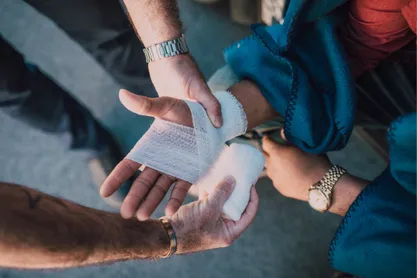

Wrist & Hand Injury Physiotherapy Management in Etobicoke
Wrist and hand injury physiotherapy management in Etobicoke to reduce pain, improve mobility, and restore strength after strain, fracture, or overuse injury.
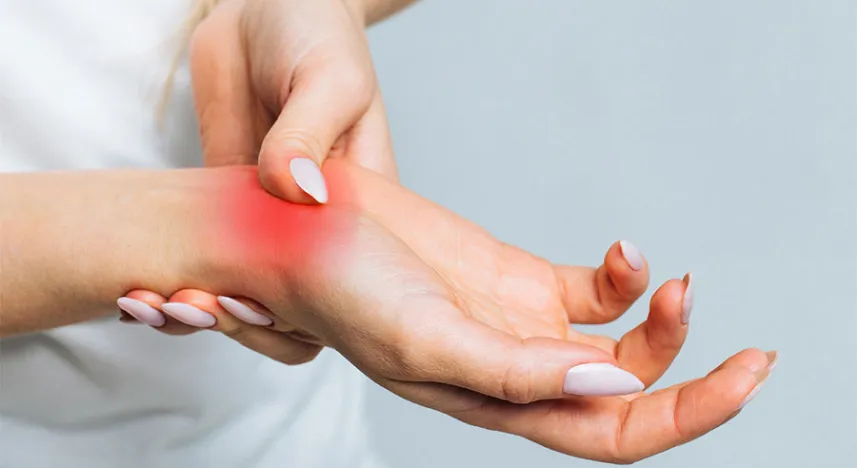
Wrist & Hand Injury Physiotherapy in Etobicoke
Relieve Pain. Restore Grip Strength. Regain Full Hand Function.
Every day, your wrists and hands do more work than almost any other part of your body — typing, lifting, cooking, driving, texting, holding your child’s hand. So when a wrist sprain, hand fracture, or nagging condition like carpal tunnel syndrome makes even simple movements painful, it doesn’t just hurt — it disrupts your entire day.
At Rapharehab in Etobicoke, our wrist and hand injury physiotherapy program is built specifically to treat the muscles, tendons, ligaments, and joints of the wrist, hand, and fingers. Whether your pain started from a fall, a repetitive strain at work, a sports injury, or a recent surgery, our physiotherapists create a personalized recovery plan to get you back to gripping, lifting, typing, and living pain-free.
If you’ve been searching for wrist pain physiotherapy near me or hand injury treatment in Etobicoke, this page will walk you through everything you need to know — the conditions we treat, how our treatment works, what to expect, and how to know it’s time to book an assessment.
1. Understanding Wrist & Hand Injuries
The wrist and hand are made up of 27 small bones, dozens of ligaments, and a dense network of tendons and nerves — all working together to give you the strength to grip and the precision to write. Because these structures are so complex and so heavily used, they’re also highly vulnerable to injury.
Wrist and hand injuries generally fall into a few categories:
- Traumatic injuries — falls, direct impact, or sports collisions that cause sprains, fractures, or ligament tears
- Overuse and repetitive strain injuries — from typing, manual labour, or repetitive gripping tasks
- Degenerative or inflammatory conditions — such as arthritis or tendonitis that build up gradually
- Nerve compression conditions — like carpal tunnel syndrome, where swelling or repetitive pressure irritates a nerve
- Post-surgical or post-fracture stiffness — where scar tissue and immobilization leave the hand weak and stiff
Left untreated, even a “minor” wrist strain or hand injury can lead to chronic stiffness, reduced grip strength, and long-term compensation patterns that affect your elbow, shoulder, and neck. Early, targeted physiotherapy for wrist and hand pain is one of the most effective ways to prevent this and speed up your return to normal activity.
2. Common Signs You Need Wrist or Hand Physiotherapy
Many people wait too long before seeking treatment, hoping the pain will simply go away. If you’re experiencing any of the following, it’s a sign your wrist or hand needs professional attention:
- Persistent wrist or hand pain that doesn’t improve with rest
- Swelling, stiffness, or reduced range of motion in the wrist or fingers
- Numbness or tingling in the fingers, especially at night
- Weak grip strength or difficulty holding objects
- Pain when typing, writing, lifting, or using tools
- A “clicking” or “catching” sensation in a finger (possible trigger finger)
- Pain along the thumb side of the wrist that worsens with twisting
- Ongoing stiffness after a cast or splint has been removed
- Hand or wrist pain following a fall, sports injury, or workplace accident
If any of this sounds familiar, our physiotherapists at Rapharehab can assess the root cause and start you on a structured recovery plan.
3. Conditions We Treat: Causes of Wrist & Hand Pain
Our clinic manages the full spectrum of wrist and hand conditions. Below is a detailed breakdown of what we treat, so you can identify what may be causing your symptoms.
Carpal Tunnel Syndrome Physiotherapy
Carpal tunnel syndrome develops when the median nerve becomes compressed as it passes through the carpal tunnel in the wrist. It typically causes numbness, tingling, and weakness in the thumb, index, and middle fingers — often worse at night or after repetitive tasks like typing. Our carpal tunnel treatment in Etobicoke combines nerve gliding exercises, wrist positioning education, splinting guidance, and manual therapy to relieve pressure on the nerve and reduce symptoms without surgery.
Wrist Sprains and Strains
A sudden fall, twist, or impact can stretch or tear the ligaments supporting the wrist. Sprains cause pain, swelling, and instability, and if not properly rehabilitated, can lead to chronic weakness. We use progressive mobility and strengthening protocols to restore full stability.
Hand and Finger Fractures (Post-Cast Rehabilitation)
After a cast or splint is removed, the hand is often stiff, weak, and swollen. Our post-fracture hand rehabilitation program focuses on gently restoring range of motion, rebuilding strength, and helping you safely return to normal grip and dexterity.
Tendonitis and Tenosynovitis
Repetitive gripping, lifting, or typing can inflame the tendons of the wrist and hand, causing pain that worsens with movement. Treatment includes soft tissue release, activity modification, and progressive loading exercises.
De Quervain’s Tenosynovitis
This condition specifically affects the tendons on the thumb side of the wrist, causing pain when gripping, pinching, or twisting the wrist. It’s common among new parents (from repetitive lifting) and people with repetitive hand tasks. Our De Quervain’s tenosynovitis treatment in Etobicoke targets the inflamed tendon sheath with manual therapy, stretching, and splinting guidance.
Trigger Finger
Trigger finger occurs when a tendon in the finger becomes inflamed, causing the finger to catch, lock, or snap when bending or straightening. Physiotherapy can reduce inflammation, restore smooth tendon gliding, and prevent the finger from locking.
Ligament Injuries
Ligament tears or sprains in the wrist — including scapholunate ligament injuries — can cause instability and chronic pain if not properly managed. We use targeted stabilization exercises and manual therapy to support healing.
Overuse and Repetitive Strain Injuries (RSI)
Common among office workers, tradespeople, and athletes, repetitive strain injuries build up gradually from repeated movement patterns. We identify the contributing activity and design an ergonomic and strengthening plan to resolve the underlying cause.
Thumb and Wrist Joint Pain (Including Arthritis)
Osteoarthritis and other joint conditions can cause chronic aching, stiffness, and swelling in the wrist and thumb joints, particularly the base of the thumb (CMC joint). Physiotherapy helps manage pain, maintain joint mobility, and preserve function.
Sports-Related Hand and Wrist Injuries
From falls in hockey and skiing to impact injuries in basketball or racquet sports, athletes frequently injure their wrists and hands. Our sports injury physiotherapy in Etobicoke helps athletes recover safely and return to their sport with confidence.
Post-Surgical Wrist or Hand Rehabilitation
After procedures like carpal tunnel release, tendon repair, or fracture fixation, structured rehabilitation is essential for regaining strength and mobility. We work closely with your surgeon’s protocol to guide safe, progressive recovery.
4. Our Wrist & Hand Physiotherapy Techniques
Every recovery plan at Rapharehab is customized to your specific diagnosis, healing stage, and lifestyle demands. Our wrist and hand physiotherapy techniques include:
- Manual Therapy & Joint Mobilization — Hands-on techniques that restore smooth joint movement and reduce stiffness.
- Soft Tissue Release — Targets tight, inflamed, or scarred muscles and tendons to relieve tension and improve mobility.
- Tendon Gliding & Strengthening Exercises — Improves the way tendons move through their sheaths, reducing catching and stiffness.
- Grip & Forearm Strength Training — Rebuilds the functional strength needed for lifting, carrying, and daily tasks.
- Range-of-Motion & Stretching Exercises — Restores natural wrist, hand, and finger movement after injury or immobilization.
- Functional Hand Training — Practises real-life tasks like typing, writing, and grasping to ensure your recovery translates to daily life.
- Splinting or Bracing Guidance — Provides protective support during the healing phase, when appropriate.
- Therapeutic Modalities — Laser therapy, heat, or electrotherapy may be used to reduce pain and inflammation and accelerate healing.
Because every wrist and hand injury heals differently, your physiotherapist continually adjusts your program as your strength and mobility improve.
5. What to Expect: Your Treatment Journey at Rapharehab
Understanding the process can make starting physiotherapy feel far less overwhelming. Here’s what a typical wrist and hand injury physiotherapy journey looks like at our Etobicoke clinic:
Step 1 — Comprehensive Assessment Your physiotherapist reviews your injury history, examines your wrist and hand movement, tests grip strength, and identifies the root cause of your pain — not just the symptoms.
Step 2 — Personalized Treatment Plan Based on your assessment, we design a plan combining manual therapy, targeted exercises, and modalities suited to your injury and goals, whether that’s returning to sport, work, or simply pain-free daily life.
Step 3 — Active Treatment Phase You’ll attend regular sessions where your physiotherapist applies hands-on techniques and guides you through progressive exercises, adjusting intensity as your tissue heals.
Step 4 — Strength & Function Rebuilding As pain decreases, focus shifts to rebuilding grip strength, dexterity, and endurance so you can safely return to work, sport, or hobbies.
Step 5 — Long-Term Prevention Strategy Before discharge, we provide ergonomic advice, home exercise programs, and strategies to prevent re-injury.
Most patients begin noticing improvements in pain and mobility within the first few sessions, though full recovery timelines vary depending on injury severity.
6. Benefits of Wrist & Hand Injury Physiotherapy
Choosing physiotherapy for your wrist or hand injury offers benefits that go beyond simple pain relief:
- Reduced wrist and hand pain, swelling, and inflammation
- Stronger grip and improved overall hand function
- Better joint mobility and flexibility
- Faster recovery from sprains, strains, and fractures
- Support for typing, lifting, writing, and daily activities
- Customized strengthening and movement strategies
- Lower risk of chronic stiffness or reinjury
- A non-invasive, evidence-based alternative or complement to surgery
- Professional guidance through every stage of healing, from acute injury to full return-to-activity
7. Wrist & Hand Injury Prevention Tips
Preventing wrist and hand pain is often about how you use your hands throughout the day. Our physiotherapists commonly recommend:
- Take regular breaks from repetitive tasks like typing or assembly work every 30–45 minutes
- Maintain a neutral wrist position while typing, gripping tools, or lifting — avoid excessive bending
- Set up an ergonomic workstation, including keyboard and mouse positioning that keeps wrists straight
- Warm up before sports or manual labour that involves gripping or wrist loading
- Strengthen your forearm and grip muscles with simple resistance exercises to build resilience
- Don’t ignore early symptoms — tingling, mild stiffness, or occasional pain are early warning signs
- Use proper lifting technique, keeping wrists neutral rather than bent when carrying loads
Small daily habits can significantly reduce your risk of developing repetitive strain injuries, tendonitis, or carpal tunnel syndrome.
8. Why Choose Rapharehab for Wrist & Hand Injury Physiotherapy in Etobicoke?
At Rapharehab, our Etobicoke clinic is trusted by the local community for hands-on, personalized rehabilitation care. When you choose us, you’ll receive:
- Treatment from experienced physiotherapists specializing in wrist and hand injuries
- Detailed, one-on-one assessments to identify the true root cause of your pain
- Customized, evidence-based treatment plans — never a one-size-fits-all approach
- Integrated care combining manual therapy, strengthening, and therapeutic modalities
- Practical guidance on ergonomic changes and safe activity progression
- A supportive, patient-focused clinic environment
- Flexible appointment scheduling at our conveniently located Etobicoke clinic
We’re proud to be a trusted wrist and hand injury physiotherapy clinic in Etobicoke, helping patients regain confidence, strength, and comfort in their everyday hand movements.
Start Your Wrist & Hand Recovery Today
If wrist or hand pain is affecting your work, sports, or daily activities, don’t wait for it to get worse. Physiotherapy can help restore strength, mobility, and comfort — often without the need for surgery or long-term medication.
Book your assessment today and discover why Rapharehab is a trusted provider of wrist and hand injury physiotherapy management in Etobicoke for effective, long-lasting recovery.
 Call 647-722-3434 |
  5 – 4335 Bloor Street West, Etobicoke, M9C 2A5
Frequently Asked Questions
-
What does wrist and hand injury physiotherapy involve?
-
How do I know if I need physiotherapy for my wrist or hand?
If you have persistent pain, swelling, numbness, weak grip, or reduced range of motion that hasn’t improved with rest after a few days, it’s a good idea to book an assessment.
-
Can physiotherapy help with carpal tunnel syndrome?
Yes. Physiotherapy can reduce nerve compression symptoms through nerve gliding exercises, wrist positioning strategies, and manual therapy, often helping patients avoid or delay the need for surgery.
-
How long does it take to recover from a wrist sprain with physiotherapy?
Mild sprains often improve within a few weeks, while more significant sprains can take 6–8 weeks or longer. Your physiotherapist will give you a personalized timeline based on your injury severity.
-
Do you treat hand pain after a cast is removed?
Yes. Post-cast stiffness and weakness are very common, and our post-fracture rehabilitation program is specifically designed to safely restore movement and strength after immobilization.
-
What is De Quervain’s tenosynovitis and can physiotherapy treat it?
It’s inflammation of the tendons on the thumb side of the wrist, often caused by repetitive gripping or lifting. Physiotherapy — including soft tissue work, stretching, and splinting guidance — is a first-line, non-surgical treatment.
-
Is physiotherapy effective for trigger finger?
Physiotherapy can reduce inflammation and improve tendon gliding in mild to moderate trigger finger, helping to reduce catching and stiffness before more invasive treatment is considered.
-
Can physiotherapy help arthritis in the hands and wrists?
Yes. While physiotherapy can’t reverse arthritis, it can significantly reduce pain, maintain joint mobility, and improve daily function through targeted exercise and hands-on treatment.
-
What should I expect at my first wrist and hand physiotherapy appointment?
Your first visit includes a detailed history review, physical assessment of your wrist and hand movement and strength, and a discussion of your treatment goals before your personalized plan is created.
-
How many physiotherapy sessions will I need?
This depends on the type and severity of your injury. Many patients notice improvement within a few sessions, while more complex injuries may require several weeks of ongoing care.
-
Do you treat sports-related wrist and hand injuries?
Yes, we regularly treat athletes recovering from falls, impact injuries, and repetitive strain related to sports such as hockey, basketball, skiing, and racquet sports.
-
Can physiotherapy help after wrist or hand surgery?
Absolutely. Post-surgical rehabilitation is a key part of recovery, helping restore strength, flexibility, and function while following your surgeon’s specific protocol.
-
What causes numbness and tingling in the fingers?
This is often related to nerve compression, most commonly carpal tunnel syndrome, but can also stem from cervical spine issues or other nerve entrapments. An assessment can help pinpoint the exact cause.
-
Will I need a splint or brace during treatment?
Not always. Splinting is recommended selectively, based on your specific condition and healing stage, to protect the area while still allowing appropriate movement.
-
Can repetitive strain injuries from typing be treated with physiotherapy?
Yes. We address both the symptoms and the underlying repetitive movement patterns, often combined with ergonomic advice for your workstation.
-
Is physiotherapy painful?
Treatment is designed to be progressive and comfortable. Some manual therapy techniques may cause mild, temporary discomfort, but your physiotherapist will always work within your tolerance.
-
How soon after an injury should I start physiotherapy?
Generally, the sooner the better — early assessment and treatment can prevent stiffness, compensation patterns, and chronic pain from developing.
-
Can physiotherapy improve grip strength after an injury?
Yes. Grip and forearm strengthening are core components of our wrist and hand rehabilitation programs, helping you return to lifting, carrying, and gripping tasks confidently.
-
Do you create home exercise programs?
Yes, every patient receives a home exercise program to support progress between clinic visits and to help maintain results after treatment ends.
-
Is physiotherapy covered by insurance in Etobicoke?
Many extended health insurance plans cover physiotherapy. We recommend checking with your provider, and our team can help you understand coverage options for treatment at Rapharehab.
-
What’s the difference between a wrist sprain and a wrist fracture?
A sprain involves stretched or torn ligaments, while a fracture is a break in the bone. Both cause pain and swelling, but a fracture typically requires imaging for diagnosis and a different initial healing approach — physiotherapy plays a key role in both.
-
Can office workers benefit from wrist and hand physiotherapy?
Yes, especially those experiencing repetitive strain from typing or mouse use. Treatment combines hands-on therapy with ergonomic guidance to reduce pain and prevent recurrence.