


Chiropractic Clinic in Etobicoke
Relieve pain. Restore alignment. Move freely again.
If you have been searching for a chiropractor in Etobicoke because back pain will not let you sleep, your neck has been locked up since that long drive, or headaches keep interrupting your work week, you are not alone — and you do not have to keep living with it. At Rapharehab, our chiropractic clinic in Etobicoke is built around one goal: finding out exactly why you are in pain, and then doing something about it, by hand, without relying on medication to mask the problem.
Located at 5 – 4335 Bloor Street West, our team of licensed chiropractors works alongside physiotherapists, massage therapists, and osteopaths under one roof, so the plan that gets built for you on day one can pull in whatever else you actually need — not just a single technique applied the same way to everyone who walks through the door.
This page walks through what chiropractic care actually is, the specific problems it helps with, the techniques we use, what your first visit looks like, and the questions almost everyone asks before booking. If you only read one section, make it “Conditions We Treat” below — chances are, whatever brought you here today is already on that list.
What Is Chiropractic Care?
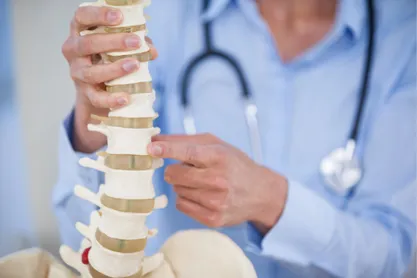
Chiropractic care is a hands-on, drug-free form of treatment focused on the spine, joints, and nervous system. The core idea is straightforward: when a joint is not moving the way it should — because it is misaligned, restricted, or under chronic strain — it can irritate nearby nerves, tighten surrounding muscles, and create pain that radiates well beyond the original site. A chiropractor's job is to assess where that restriction is actually coming from, and then use precise, controlled techniques to restore normal movement to that joint.
This is different from simply treating the symptom. Painkillers can dull a back ache for a few hours; they do nothing to address why the joint locked up in the first place. Chiropractic care works the other way around — it targets the mechanical cause, so the relief tends to last rather than wearing off by evening.
At Rapharehab, chiropractic treatment typically helps with:
- Reducing pain naturally, without reliance on medication
- Improving posture and long-term spinal health
- Restoring joint mobility that has become stiff or restricted
- Relieving pressure and tension on irritated nerves
- Reducing chronic muscle tightness around the spine and joints
- Improving overall flexibility and range of motion
- Supporting general physical wellness and injury prevention
Chiropractic care is also rarely used in isolation. At our Etobicoke clinic, it is frequently combined with physiotherapy, massage therapy, or osteopathy, since spinal alignment, muscle function, and joint mechanics are all connected — addressing only one piece often means the other two quietly undo the progress.
Common Problems People Bring to Our Etobicoke Chiropractor
Most people do not wake up one day and decide to “try chiropractic care” out of curiosity — they come in because something specific is wrong, and it has gone on long enough that they want it properly looked at. Below are the conditions we see most often at our Etobicoke clinic, broken down by what is actually happening and how chiropractic treatment helps.
Lower Back Pain & Sciatica
Lower back pain is, by a wide margin, the most common reason people search for a chiropractor for back pain in Etobicoke. It can show up as a dull, constant ache after sitting at a desk all day, a sharp catch when bending to pick something up, or pain that has been quietly building for months after an old injury that “never quite healed right.”
Sciatica is a specific and often more alarming version of this. It happens when the sciatic nerve — the longest nerve in the body, running from the lower spine through the hips and down each leg — becomes compressed or irritated, usually by a disc that is bulging, a misaligned vertebra, or tight surrounding muscles like the piriformis. The result is pain that does not stay in the back: it travels down the buttock and leg, sometimes all the way to the foot, often paired with tingling, numbness, or a feeling of weakness in the leg.
Chiropractic adjustments work on sciatica by taking pressure off the irritated nerve root at its source, rather than just treating the leg where the pain is felt. Combined with soft tissue work and targeted exercises, most patients notice a meaningful reduction in radiating pain within several visits.
Neck Pain & Stiffness
Neck pain has become almost a default complaint of modern work — hours hunched over a laptop or phone gradually pull the head forward and the shoulders up, and the small joints in the cervical spine end up carrying load they were never designed for. Left alone, this stiffness tends to worsen, not improve, since the posture causing it usually does not change on its own.
Our chiropractors assess the cervical spine for restricted segments, then use gentle mobilization and adjustment techniques to restore normal motion, paired with soft tissue release for the surrounding muscles that have tightened to compensate.
Headaches & Migraines
Many people are surprised to learn how often headaches originate not in the head, but in the neck. Tension headaches and cervicogenic headaches (headaches caused by the cervical spine) frequently trace back to restricted joints at the base of the skull and upper neck, often worsened by forward-head posture. When those joints are adjusted and the surrounding muscle tension is released, headache frequency and intensity often drop noticeably — without medication.
Shoulder & Upper-Back Tension
Tightness between the shoulder blades and across the upper back is closely tied to thoracic spine restriction. When the mid-back is not moving properly, the shoulders compensate, which can lead to a persistent “knot” feeling that massage alone keeps temporarily releasing but never fully resolves. Addressing the underlying joint restriction, rather than only the muscle, tends to produce longer-lasting relief.
Hip & Pelvic Pain
Hip and pelvic discomfort can stem from joint restriction, muscular imbalance, or compensations that develop after a back or leg injury changes the way you walk. Because the pelvis is the foundation the spine sits on, misalignment here often contributes to lower back pain as well — which is why we assess the two together rather than separately.
Postural Issues & Spinal Misalignment
Years of sitting, driving, or repetitive movement at work gradually reshape posture — rounded shoulders, a forward-leaning head, or a tilted pelvis. None of this happens overnight, and it does not correct itself overnight either. Chiropractic care, paired with postural correction exercises, addresses the alignment issue directly rather than just stretching out the resulting tightness.
Whiplash & Motor Vehicle Injuries
Whiplash occurs when the neck is forced through a rapid back-and-forth motion, most commonly in a rear-end collision, straining the muscles, ligaments, and joints of the cervical spine. Symptoms do not always appear immediately — pain, stiffness, and headaches sometimes build over the following days. Chiropractic care plays a significant role in motor vehicle accident recovery, restoring range of motion and addressing the joint restriction that whiplash leaves behind.
Repetitive Strain & Sports-Related Injuries
Whether the strain comes from years at a keyboard, a repetitive movement on a job site, or training load from a sport, the underlying issue is similar — a joint or soft tissue structure is being asked to absorb more stress than it can recover from between uses. Chiropractic adjustment combined with exercise prescription helps both resolve the current strain and reduce the chance it returns.
Chronic Pain Conditions
Pain that has been present for months or years often involves more than the original injury — compensations build up, surrounding muscles tighten protectively, and the nervous system can become more sensitive to pain signals over time. Chronic pain management through chiropractic care focuses on steadily restoring normal movement and function, rather than expecting a single adjustment to undo a long-standing problem.
Muscle Spasms & Tightness
Muscle spasms are frequently the body's protective response to an unstable or restricted joint nearby — the muscle tightens to limit movement and prevent further injury. Treating only the spasm with heat or massage can bring short-term relief, but if the underlying joint restriction is not addressed, the spasm tends to return.
Chiropractic Techniques We Use in Etobicoke
Not every condition responds to the same approach, which is why our chiropractors draw from a range of techniques and match them to your specific assessment findings, rather than applying one method to everyone.
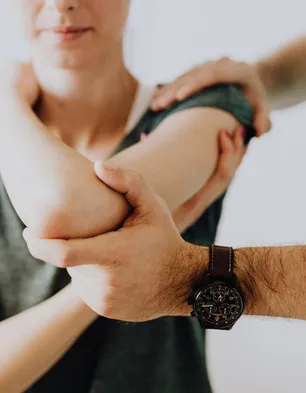
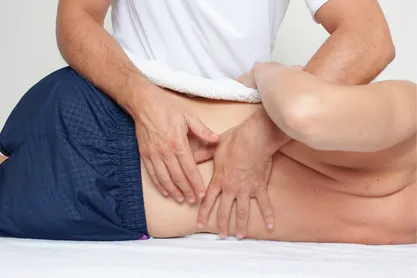
- Spinal Adjustments (Chiropractic Manipulation): The technique most people associate with chiropractic care. A controlled, precise force is applied to a specific joint to restore proper movement, reduce nerve irritation, and relieve the muscle tension that builds up around a restricted area.
- Mobilization Techniques: A gentler alternative or complement to traditional adjustment, using slow, controlled movements to gradually improve joint motion. Often preferred for patients who are new to chiropractic care, more sensitive to treatment, or recovering from an acute injury.
- Soft Tissue Therapy: Hands-on work targeting the muscles, tendons, and fascia surrounding a restricted joint. Because tight soft tissue both contributes to and results from joint restriction, addressing both together produces more durable results than treating either in isolation.
- Postural Correction: A structured approach to identifying and correcting the alignment issues that build up from sitting, driving, or repetitive work — addressing the cause of recurring tension rather than only the symptom.
- Exercise Prescription: Specific strengthening and mobility exercises selected for your condition, designed to support the changes made during in-clinic treatment and reduce the likelihood that the same problem returns.
- Functional Movement Training: A focus on retraining the way you move during everyday tasks — lifting, bending, reaching — so that movement patterns that contributed to the original injury are corrected for the long term, not just the joint itself.
What to Expect at Your First Chiropractic Visit
Walking into a new clinic for the first time can feel uncertain, especially if you have never seen a chiropractor before. Here is exactly what happens.
1. Detailed history and assessment. Your chiropractor starts by understanding your pain — when it started, what makes it better or worse, your activity level, and any relevant medical history. This context shapes everything that follows.
2. Physical examination. A combination of movement testing, palpation, and orthopedic or neurological tests to pinpoint exactly which joints or structures are involved, and to rule out anything that would need a different kind of care first.
3. A clear explanation of findings. Before any treatment begins, your chiropractor explains what they found and why, in plain language — not jargon. You should leave this conversation understanding what is actually happening in your body.
4. A tailored treatment plan. Based on the assessment, a treatment plan is built around your specific condition, combining the techniques most likely to help — which may include chiropractic adjustment alone, or adjustment paired with soft tissue work, exercise, or referral to another discipline within our clinic.
5. Home exercises and guidance. Most patients leave with simple exercises or movement guidance to support progress between visits, since recovery accelerates when in-clinic treatment is reinforced at home.
There is no single answer to how many visits you will need — it depends on how long the condition has been present, its severity, and how your body responds to initial treatment. Some patients feel meaningful relief within a few sessions; others with longstanding or chronic issues need a longer course of care. Your chiropractor will give you a realistic estimate after your first assessment, not before.
Benefits of Chiropractic Care at Rapharehab
Patients who commit to a full course of chiropractic treatment typically experience:
- Improved spinal alignment and posture
- Natural pain reduction without relying on medication
- Greater flexibility and range of motion
- Reduced chronic muscle tension and stiffness
- Better nerve function and circulation
- Faster recovery from acute injuries
- Long-term prevention of recurring discomfort
- A personalized, hands-on treatment experience rather than a generic protocol
Why Choose Rapharehab as Your Etobicoke Chiropractor
There is no shortage of chiropractic clinics across Etobicoke, Rexdale, and the surrounding Bloor West area — so it is fair to ask what actually sets one apart. Here is what patients consistently tell us matters most:
- Licensed, experienced chiropractors. Every chiropractor on our team is fully licensed and brings hands-on clinical experience treating the full range of conditions covered on this page, not just textbook cases.
- Assessment before treatment, every time. We do not run a standard protocol on every patient. Treatment is built from what your assessment actually shows.
- Gentle, evidence-informed techniques. From traditional spinal adjustment to gentler mobilization, the technique is matched to your condition and comfort level — not the other way around.
- A genuinely multidisciplinary clinic. Because Rapharehab also offers physiotherapy, massage therapy, osteopathy, and acupuncture under the same roof, your chiropractor can bring in another discipline the moment it would actually help, instead of referring you elsewhere and losing momentum.
- Private treatment rooms. Assessments and treatment happen in a private, comfortable setting — not an open floor.
- One-on-one, patient-focused care. Your chiropractor works directly with you for the full appointment.
- A convenient Etobicoke location. Based at 5 – 4335 Bloor Street West, our clinic is easily reachable from across Etobicoke and nearby communities, with flexible appointment availability.
Insurance Coverage & Direct Billing for Chiropractic Care
Most extended health benefit plans in Ontario include coverage for chiropractic treatment, and our team handles the administrative side so you can focus on actually getting better.
- Direct billing: We offer direct billing to most major insurance providers, reducing out-of-pocket costs at the time of your visit.
- Accepted coverage: We accept extended health benefits, motor vehicle accident (MVA) claims, and Workplace Safety and Insurance Board (WSIB) coverage.
- Coverage verification: Our front desk team can help verify your coverage before your first appointment, so there are no surprises.
- Claim support: If your plan does not offer direct billing, we provide the documentation you need to submit your own claim quickly.
If you are unsure what your plan covers, contact our clinic and our team will help confirm your chiropractic benefits before you book.
Serving Etobicoke and the Surrounding Community
Rapharehab is located at 5 – 4335 Bloor Street West, in the heart of Etobicoke, making us a convenient chiropractic clinic for patients across the area. Alongside Etobicoke itself, we regularly see patients from Islington-City Centre West, Kingsway South, Princess Gardens, Edenbridge-Humber Valley, Markland Wood, and the Bloor West Village area. Our location near major routes also makes the clinic accessible for patients coming from Rexdale, Mimico, and New Toronto who are searching for chiropractic care closer to home than downtown Toronto.
Start Your Path to Better Alignment
Whether you are dealing with persistent back pain, recovering from a car accident, trying to finally get rid of recurring headaches, or simply want to move and feel better day to day, chiropractic care can help restore balance to your body and improve your quality of life.
Book your chiropractic appointment with Rapharehab today and find out why we are a trusted chiropractic clinic in Etobicoke for safe, effective, and genuinely personalized care.
[ Book Your Appointment ] Call: 647-722-3434
Frequently Asked Questions
-
What conditions can be treated with chiropractic care?
Chiropractic care effectively addresses back pain, neck pain, sciatica, headaches and migraines, whiplash, postural issues, sports injuries, joint pain, and chronic muscle tension. A full assessment determines whether your specific condition is a good fit for chiropractic treatment.
-
What is a chiropractic adjustment, and how does it work?
A chiropractic adjustment is a controlled, precise movement applied to a joint — most often in the spine — to restore normal motion and reduce nerve irritation. By correcting the restriction, an adjustment reduces the pressure and tension that builds up around it, which often leads to less pain and easier movement.
-
Is chiropractic treatment safe?
Yes. When performed by a licensed chiropractor, spinal adjustment and mobilization are safe, well-studied techniques. At Rapharehab, every treatment plan begins with a thorough assessment to confirm chiropractic care is appropriate for your specific condition before any hands-on treatment begins.
-
Does a chiropractic adjustment hurt?
Most patients feel little to no discomfort during an adjustment, and some describe a sense of relief immediately afterward. You may hear a popping or cracking sound, which is simply gas releasing from the joint — it is not a sign that anything is being forced or damaged.
-
How many chiropractic visits will I need?
This depends on how long you have had the condition, its severity, and how your body responds to initial treatment. Some patients notice relief after just a few visits; others with chronic or longstanding issues need a more extended plan. You will get a realistic estimate after your first assessment.
-
Do I need a doctor's referral to see a chiropractor in Etobicoke?
In most cases, no referral is required to book a chiropractic appointment in Ontario. If your specific insurance plan requires one for reimbursement, we recommend checking with your provider directly.
-
Can a chiropractor help with sciatica?
Yes. Chiropractic adjustment works by relieving pressure on the compressed or irritated nerve root that is causing sciatic pain, often combined with soft tissue therapy and targeted exercises to address contributing muscle tightness.
-
What is the difference between a chiropractor and a physiotherapist?
Chiropractors primarily focus on diagnosing and treating joint and spinal restrictions through manual adjustment, while physiotherapists focus more broadly on rehabilitation, movement, and exercise-based recovery. Many conditions respond best to both — which is why Rapharehab offers both under one roof.
-
Can chiropractic care help with headaches and migraines?
Yes, particularly tension headaches and cervicogenic headaches that originate from restriction in the upper neck. Adjusting these joints and releasing surrounding muscle tension often reduces both the frequency and intensity of headaches.
-
Is chiropractic treatment effective for whiplash after a car accident?
Yes. Chiropractic care is commonly used in motor vehicle accident recovery to restore the range of motion and joint function that whiplash disrupts. Treatment is tailored to the severity of the injury and any other symptoms present.
-
Can chiropractic care improve posture?
Yes. Chiropractic adjustment, combined with postural correction exercises, addresses the underlying joint and muscular imbalances that cause poor posture, rather than only stretching the resulting tightness.
-
Is chiropractic care safe for children?
Chiropractors can use gentler techniques appropriate for growing bodies. If you are considering chiropractic care for a child, discuss their specific situation with our team before booking so we can confirm the right approach.
-
Is chiropractic care safe for seniors?
Yes, with techniques adjusted to suit bone density, joint health, and overall mobility. Many seniors use routine chiropractic care to support balance, joint function, and everyday mobility.
-
What should I wear to a chiropractic appointment?
Comfortable, loose-fitting clothing that allows you to move freely is best, since your chiropractor will need to assess your movement and posture during the appointment.
-
Will my chiropractic treatment be covered by insurance?
Most extended health benefit plans in Ontario include chiropractic coverage. We offer direct billing to most major providers, and our team can help verify your specific coverage before your first visit.
-
Can chiropractic care be combined with massage therapy or physiotherapy?
Yes, and it often should be. Spinal alignment, muscle tension, and movement function are closely connected, so combining chiropractic care with massage therapy, physiotherapy, or osteopathy frequently produces faster, more complete results than any single discipline alone.
-
What causes lower back pain that chiropractic care can treat?
Lower back pain often stems from joint restriction, disc issues, muscle imbalance, or postural strain built up over months or years of sitting, driving, or repetitive movement. A proper assessment identifies the specific mechanical cause before treatment begins.
-
How soon will I feel relief after starting chiropractic treatment?
Some patients notice improvement after their very first visit, particularly for acute issues. More chronic or longstanding conditions typically improve gradually over a series of visits as joint function and muscle tension are addressed.
-
Can I see a chiropractor for a sports injury?
Yes. Chiropractic care is commonly used for sports-related strains, joint restrictions, and recovery support, often combined with exercise prescription to address both the current injury and reduce the risk of it recurring.
-
Do you offer direct billing for chiropractic care in Etobicoke?
Yes. Rapharehab offers direct billing to most major insurance providers for chiropractic services, and our team will help confirm your coverage ahead of your appointment.
-
What areas near Etobicoke does Rapharehab's chiropractic clinic serve?
Beyond Etobicoke itself, we regularly see patients from Islington-City Centre West, Kingsway South, Princess Gardens, Edenbridge-Humber Valley, Markland Wood, Bloor West Village, Rexdale, Mimico, and New Toronto.
-
How do I book a chiropractic appointment at Rapharehab?
You can call our Etobicoke clinic directly at 647-722-3434 or use the online booking option on this page to schedule your first chiropractic assessment.