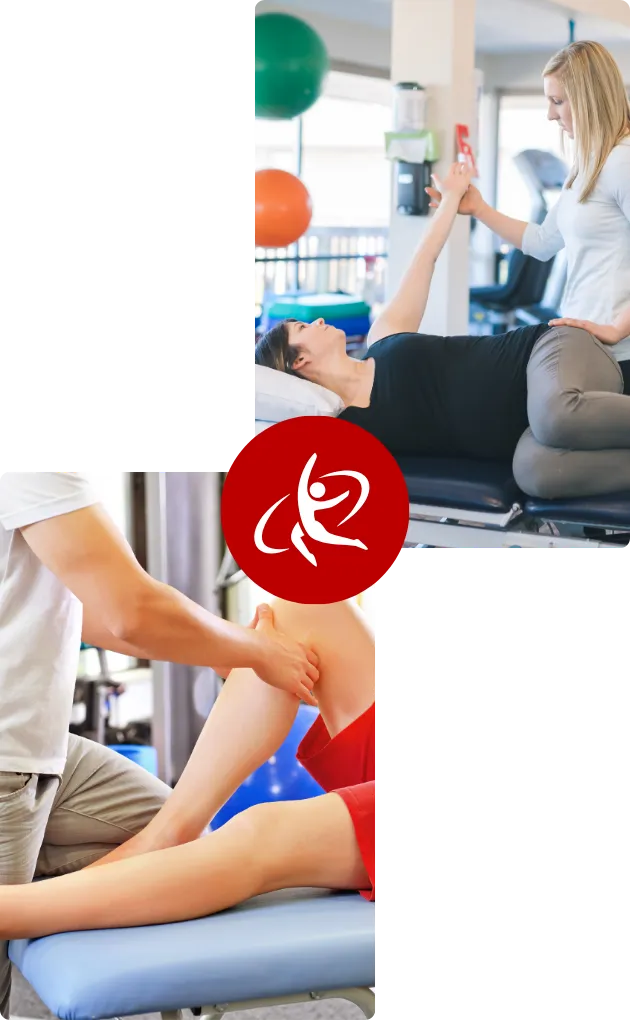
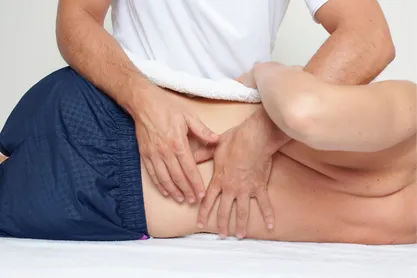

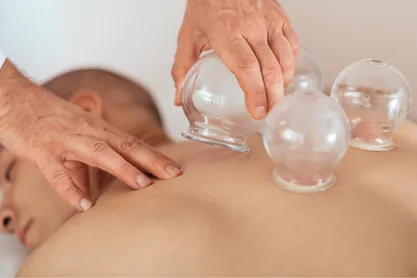

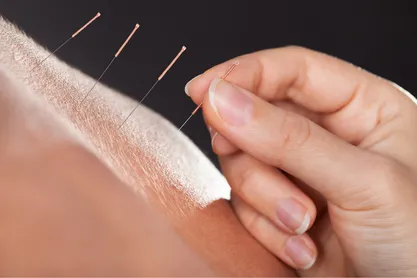

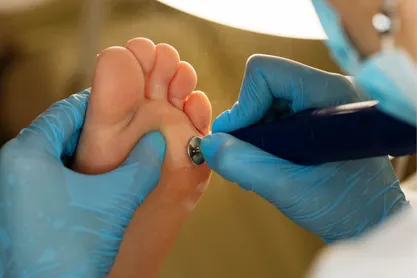

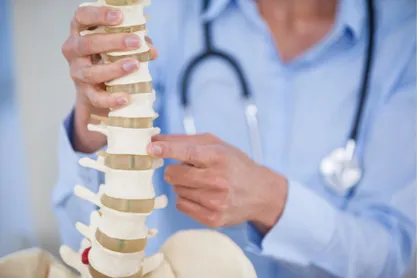

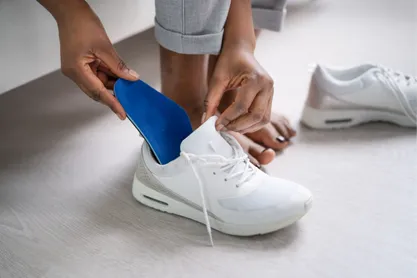

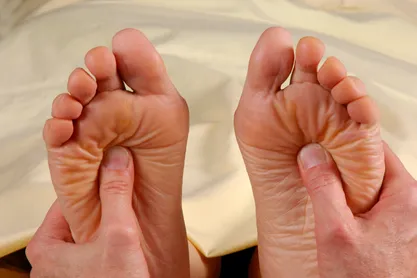

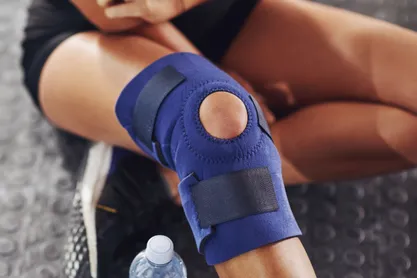


Welcome to Rapharehab, the Best Physiotherapy & Massage Therapy Clinic in Etobicoke, your trusted destination for complete rehabilitation and pain management. As an expert physiotherapy in Etobicoke we offer personalized care through physiotherapy, sports injury rehab, pelvic floor therapy, chiropractic care, osteopathy, acupuncture, massage therapy, orthotics, and home care physiotherapy — helping you move better, recover faster, and live pain-free.Expert Physiotherapy in EtobicokeExpert Physiotherapy in Etobicoke





Welcome to Rapharehab
Your Trusted Physiotherapy & Rehab Centre in Etobicoke
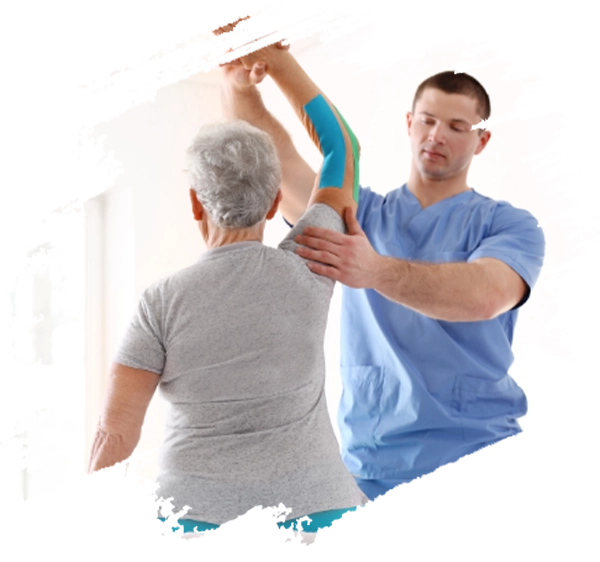
At Rapharehab Expert Physiotherapy in Etobicoke, we provide evidence-based treatments designed to restore mobility, relieve pain, and enhance strength — all tailored to your unique recovery goals.
Our team of licensed physiotherapists uses personalised techniques and advanced rehabilitation methods to help you heal faster and move better. Expert Physiotherapy in Etobicoke
- Chronic Pain Management (neck, back, joint discomfort)
- Sports Injury Rehab (sprains, strains, post-surgical recovery)
- Work-Related Injuries (WSIB & WCB claim support)
- Movement & Neurological Disorders (stroke recovery, mobility training) Expert Physiotherapy in Etobicoke


Empowering Every Move, Restoring Every Life
Our Services
We Help You Move Better &
Live Healthier
Live Healthier
Our Services
Discover Why We're Different
Why Patients Trust Us




-
About Us
-
Vision
To be recognized as Etobicoke's most trusted physiotherapy and rehabilitation clinic, delivering innovative, compassionate, and effective care through a team of passionate healthcare professionals dedicated to improving lives.
-
Mission
At Rapharehab Physiotherapy in Etobicoke, our mission is to provide innovative, evidence-based healthcare in a supportive and professional environment. We work as an interdisciplinary team to deliver comprehensive, patient-centered treatments that restore mobility, relieve pain, and enhance quality of life through compassionate care and clinical excellence.
-
Why Choose Us
At Rapharehab, the Best Physiotherapy in Etobicoke, our dedicated team of healthcare professionals works together to deliver faster recovery, lasting pain relief, and personalized care, helping you move better and feel stronger every day.

Start Your Recovery Today!
Visit Our Injury Care Team in Etobicoke.
Visit Our Injury Care Team in Etobicoke.
Area Of Injury

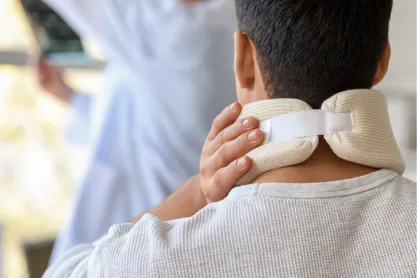


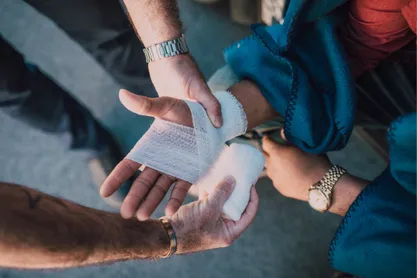


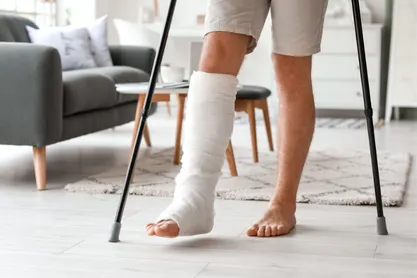

WHY CHOOSE RAPHAREHAB PHYSIOTHERAPY
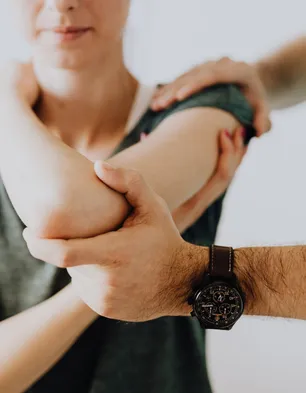
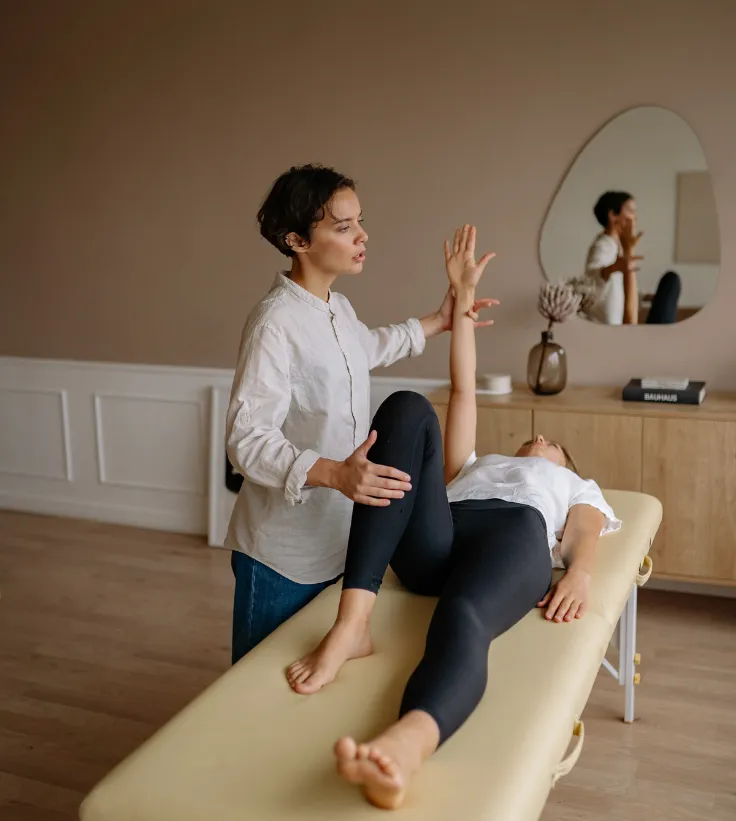
At Rapharehab, we believe recovery is more than treatment — it's about rebuilding confidence, strength, and movement. Our compassionate team of registered physiotherapists and healthcare professionals in Etobicoke work with you one-on-one to understand your pain, identify the root cause, and create a care plan that fits your goals.
Whether you're recovering from an injury, surgery, or chronic pain, we're here to help you move freely and live fully again.

Expert Team
A skilled and caring group of physiotherapists focused on real results.

Understand your Pain
Personalized assessments to find the cause, not just treat symptoms.

Ready To Go
Flexible appointments and a welcoming clinic in the heart of Etobicoke.
0+
Qualified Healthcare Professionals0+
Years of Combined Experience0k+
Patients Treated Successfully0%
Client Satisfaction & Success Rate

Association With
Trusted Physiotherapy Experts in Etobicoke
At Rapharehab, we go beyond routine treatment — we focus on your complete recovery. Our expert physiotherapists and rehabilitation specialists in Etobicoke create personalized care plans designed to restore movement, relieve pain, and support long-term well-being. From sports injuries to post-surgery rehabilitation, we're committed to helping you move confidently and live without limits.Expert Physiotherapy in Etobicoke



Talk to Our Physiotherapy
Experts - Anytime, Anywhere.
FAQ's
Need Help?
Need Help?
Find Answers Here
-
Where can I find physiotherapy clinics near me with good reviews?
Rapharehab is a highly rated physiotherapy clinic trusted by patients for personalized treatment, expert therapists, and excellent results. You can check our Google reviews to see real patient success stories.
-
Which physiotherapy services accept my health insurance in Canada?
Rapharehab accepts most major Canadian insurance plans. We also provide direct billing for many providers, making your treatment experience smooth and hassle-free.
-
What are the costs for physiotherapy sessions in this area?
At Rapharehab, our physiotherapy fees are competitively priced and follow industry standards. Pricing depends on the type of treatment and session duration. You can contact our reception for a clear cost breakdown.
-
Are there physiotherapy centers offering home visit services?
Yes. Rapharehab offers home physiotherapy sessions for patients who prefer treatment at home or have mobility challenges. Home care bookings can be scheduled online or by phone.
-
Which physiotherapy clinics specialize in sports injury recovery?
Rapharehab provides specialized sports injury physiotherapy, helping athletes recover faster through tailored rehab programs, strengthening exercises, and advanced technology treatments.
-
Where can I book an online physiotherapy consultation?
You can easily book a virtual physiotherapy consultation directly on Rapharehab.ca. Our online physiotherapy sessions are ideal for assessments, follow-ups, and exercise guidance.
-
Do any physiotherapy providers offer packages or discounts for multiple sessions?
Rapharehab offers cost-effective treatment packages for patients needing multiple physiotherapy sessions. Contact our team to learn about current package discounts and wellness plans.
-
Which physiotherapy clinics have flexible appointment hours on weekends?
Rapharehab provides flexible appointments, including extended hours on weekdays and availability on weekends, making it easy for working professionals and busy families to get care.
-
Where can I find physiotherapy services that use advanced treatment technology?
Rapharehab uses modern physiotherapy technologies such as electrotherapy, ultrasound therapy, laser therapy, and biomechanical assessments to deliver faster and more effective recovery.
-
Are there physiotherapy clinics with bilingual staff in my city?
Yes. Rapharehab has friendly bilingual staff, making communication easy and comfortable for patients from diverse backgrounds.
-
Which clinics offer specialized physiotherapy for post-surgery rehabilitation?
Rapharehab offers structured post-surgical rehabilitation programs for knee, hip, shoulder, spine, and orthopedic surgeries to help patients regain strength, mobility, and confidence.
-
Where can I find pediatric physiotherapy services nearby?Expert Physiotherapy in Etobicoke
Rapharehab provides pediatric physiotherapy for children dealing with developmental delays, injuries, or muscle weakness. Our therapists use gentle, age-appropriate treatment plans.
-
Are there mobile apps to schedule physiotherapy appointments in Canada?
Rapharehab supports online appointment scheduling through our website and integrated booking tools. You can book, reschedule, or request a consultation instantly.
-
Which physiotherapy providers have the shortest wait times for new patients?
Rapharehab ensures minimal wait times for new patients. We prioritize fast appointments so you can begin treatment without unnecessary delays.
-
Where can I find physiotherapy clinics that accept workers' compensation claims?
Rapharehab accepts WSIB and workers' compensation claims. Our team guides you through the paperwork and provides proper treatment documentation for smooth claim processing.