


What Is the Best Treatment for Chronic Back Pain in Etobicoke — and How Long Does Recovery Take?

What Is the Best Treatment for Chronic Back Pain in Etobicoke — and How Long Does Recovery Take?
If you live in Etobicoke and you’re dealing with chronic back pain, you don’t need anyone to tell you how disruptive it is. It gets into everything — your work day, your sleep, your mood, time with your kids, even a quick run to Sherway or a grocery trip on The Queensway.
Maybe you’re at a desk near Islington all day. Maybe you’re stuck on the Gardiner every morning. Maybe you’re in Edenbridge–Humber Valley picking up kids, carrying bags, and doing housework that never seems to end. Either way, when your back hurts all the time, life feels smaller than it should.
So let’s get to the real questions you probably care about:
- What actually works for chronic back pain?
- How long does it really take to get better?
- And is there a clinic in Etobicoke that can actually help — and not just throw heat packs on you and send you home?
At Rapharehab — often described as one of the best physiotherapy clinics in Etobicoke — the whole focus is on personalized, evidence-based care. Not just “managing” or masking your pain, but helping you move better, get stronger, and feel more confident in your body again.
In this guide, we’ll walk through:
- What chronic back pain actually is (in plain English)
- How Rapharehab treats it
- How long recovery usually takes
- Why some people need longer — and who tends to benefit the most
If you’ve already tried other therapies that didn’t really stick, this is designed for you.
What Exactly Is Chronic Back Pain?
Let’s clear something up: chronic back pain is not just “a bad back” or a simple muscle pull that refuses to go away.
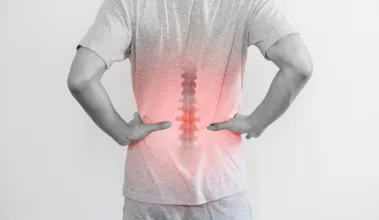
If your back pain has lasted more than three months — or keeps coming back over and over — that’s what health professionals call chronic. It might:
- Feel like constant stiffness
- Flare up with sharp pain when you bend, twist, or sit too long
- Come and go, but never really disappear
Common reasons behind it include:
- Normal wear and tear in the spine as we age
- Disc issues or pinched nerves (like sciatica)
- Long hours of sitting with poor posture (hello, home office)
- Old injuries that never fully recovered
- Arthritis or other inflammatory conditions
- Weak core or hip muscles that leave your back doing all the work
At Rapharehab’s Etobicoke clinic, they don’t stop at “you’ve got back pain.” They look at:
- How you move
- Where you’re tight, stiff, or weak
- How you sit, stand, lift, and walk through a regular day
- What your job, commute, and home life look like
Then they build a plan that goes after the root causes of your pain — not just the surface-level symptoms.
Why So Many People Call Rapharehab the Best Physiotherapy in Etobicoke
There are lots of physio clinics around Etobicoke. So why do people keep recommending Rapharehab, especially for stubborn back pain?
Here are a few key reasons.
1. Everything You Need Under One Roof
You’re not stuck with a single type of treatment. At Rapharehab, you have access to:
- Physiotherapy
- Massage therapy
- Osteopathy
- Acupuncture
- Chiropractic care
- Spinal decompression
That’s a big deal when your back pain isn’t coming from just one thing. Maybe your muscles are tight, your posture isn’t great, your nerves are irritated, and you’re under a ton of stress — all at the same time. A combined approach usually works better than any one thing alone.
2. A Dedicated Chronic Pain Program
Rapharehab doesn’t just “see patients with back pain.” They actually run a Chronic Pain Management program that’s built around people who’ve been hurting for a long time.
Your plan can include:
- Hands-on manual therapy
- Electrotherapy (like ultrasound or TENS)
- A structured exercise program
- Coaching on posture, movement, and pacing
- Mind–body tools like breathing and relaxation
If you’ve tried the quick-fix route before and your pain always came back, this more complete approach is often what’s been missing.
3. A Team That Really Knows Backs
Their physios have advanced training in spine care. For example, Dhanya Prashant has more than 10 years of experience and extra training in methods like the McKenzie approach, which is widely used for disc and mechanical back pain.
In simple terms: you’re not a guinea pig. You’re working with people who’ve seen a lot of cases like yours.
4. Convenient, Neighbourhood Location
You’ll find Rapharehab at:
6 – 4335 Bloor Street West, Etobicoke, ON M9C 5S2
That makes it easy to get to from:
- Markland Wood
- Islington
- The Kingsway
- Eatonville
- Bloor West and nearby areas
So you’re not fighting your way downtown just to get quality care.
5. Longer, More Thoughtful Appointments
You’re not rushed in and out in 10 minutes.
- Initial assessments: about 60 minutes
- Follow-up sessions: usually 30–45 minutes, sometimes longer if needed
That extra time means your physio can really listen, assess properly, explain things clearly, and adjust your plan as you go.
6. Support for Refugees and Newcomers
Rapharehab also makes a point of offering trauma-informed, culturally sensitive care, including for refugees and newcomers. When needed, they can help coordinate translation and interpretation so you’re not trying to explain complex pain in a language you’re still learning.
All of that together makes Rapharehab a strong choice if you’re looking for the best physiotherapy in Etobicoke for chronic back pain — especially if you’re serious about long-term results, not just a few days of relief.
How Rapharehab Treats Chronic Back Pain: Key Approaches
No two backs are exactly the same — and no two lifestyles are, either. The plan for a warehouse worker in Rexdale shouldn’t look the same as for a remote worker in The Kingsway.
Here’s how Rapharehab customizes care.
1. Manual Therapy (Hands-On Work)
Your therapist may use their hands to:
- Loosen tight muscles
- Free up stiff joints in your spine and hips
- Ease tension and reduce pain
- Help you move more naturally again
This might include gentle joint mobilizations, soft tissue work, and stretching — always based on what your body can handle.
2. Therapeutic Exercise (The “Active” Part)
This is where long-term change happens.
Your personalized exercise program might include:
- Core and back strengthening
- Hip and glute work (because strong hips protect your back)
- Stretching and mobility drills
- Real-life movements like safe lifting, bending, and twisting
The goal isn’t to turn you into a gym rat (unless you want that). It’s to give you a back that’s not just pain-free, but strong enough to handle your everyday life.
3. Electrotherapy and Other Pain-Calming Tools
When pain is high, it’s hard to move. To help with that, your physio may use:
- Ultrasound
- TENS (a small device that sends gentle electrical pulses to help with pain)
- Heat or ice
These are especially useful during flare-ups, or when you’re just getting started and movement feels scary or uncomfortable.
4. Posture, Work Setup, and How You Move
If you spend hours:
- Driving along the Gardiner
- Sitting at a desk in a Bloor West condo
- Slouched on the couch at the end of the day
your posture habits will absolutely affect your back.
At Rapharehab, your therapist will help you:
- Set up a better workstation at home or the office
- Learn simple, sustainable sitting and standing positions
- Add short movement breaks into your day
- Lift and carry things (kids, bags, boxes) more safely
Often, just a few realistic tweaks here can make daily life much easier on your spine.
5. Mind–Body Tools (Because Pain Isn’t Just Physical)
Long-term pain can wind up your nervous system. Stress, poor sleep, and anxiety can all make pain feel worse.
That’s why your plan might also include:
- Breathing exercises to calm your nervous system
- Relaxation and pacing strategies (so you don’t overdo it on “good” days)
- Clear, simple explanations of how pain works
When you understand what’s going on — and feel less afraid — your body often responds better to treatment.
6. Long-Term Self-Management
A huge part of Rapharehab’s philosophy is helping you become more independent.
By the time you’re ready to space out or finish sessions, you’ll have:
- A home exercise program that fits your lifestyle
- Stretching and mobility routines you can do anywhere
- Practical strategies for posture and lifting
- A plan for how to handle small flare-ups yourself
Whether you’re in Humber Valley, Rexdale, Markland Wood, or anywhere else in Etobicoke, you’ll have tools you can use on your own.
7. Spinal Decompression (When It Makes Sense)
If your pain is linked to disc problems or a pinched nerve, your therapist may recommend spinal decompression as part of your plan.
This gentle, controlled traction helps:
- Reduce pressure on irritated discs and nerves
- Improve circulation to spinal tissues
- Ease pain, tingling, or numbness in some cases
It’s rarely used on its own. It’s usually combined with exercise, education, and other therapies to support long-term change.
How Long Will It Take to Recover?
Let’s be honest — this is the question almost everyone asks first:
How long until I feel like myself again?
There’s no one-size-fits-all answer, but based on what Rapharehab usually sees, here’s a rough roadmap for chronic back pain recovery.
1. Initial Assessment
Duration: About 60 minutes
What happens:
- A detailed conversation about your history, lifestyle, and goals
- Movement tests and posture assessment
- Hands-on assessment of joints and muscles
- A clear explanation of what’s going on
- A plan tailored to you
You should walk out understanding why your back hurts and what the next steps are.
2. Pain Relief / Early Improvement Phase
Typical duration: 3–6 weeks
Rough number of sessions: Around 6–12, depending on how often you come
Focus:
- Calming pain and stiffness
- Getting your basic movement back
- Starting gentle strengthening and stretching
- Using hands-on therapy and modalities when needed
Many people start noticing meaningful improvement during this phase — especially if they stick to their home exercises.
3. Rehabilitation and Rebuilding Phase
Typical duration: 6–12 weeks
Focus:
- Building core and hip strength
- Fixing unhelpful movement and posture habits
- Getting back to normal daily tasks: work, housework, playing with kids, exercise
This is where deeper, more lasting changes happen.
4. Maintenance and Self-Management
Typical duration: 3–6 months and beyond
Focus:
- Continuing your exercises on your own
- Occasional check-ins or “tune-ups”
- Spotting and stopping small issues before they become big flare-ups
5. Chronic or More Complex Cases
For people with:
- Long-standing pain (years, not months)
- Significant arthritis or spinal changes
- Past surgeries
recovery can be more of an ongoing process, with:
- Sessions spaced out over time
- Regular reassessment
- A strong emphasis on self-management and pacing
In general: many people see early changes in 4–6 weeks and more stable improvement over 3–6 months. Some improve faster; some need more time.
Why Recovery Time Isn’t the Same for Everyone
A few big factors influence how quickly you’ll progress:
- How long you’ve had the pain
Pain that’s been around for years usually needs more time and patience than a 3–4 month issue. - What’s causing it
Disc herniations, nerve compression, spinal stenosis, and more advanced arthritis can take longer to settle. - Your lifestyle and job
Long drives from Islington or along the QEW
Heavy lifting at work
Long, uninterrupted sitting
All of these can slow progress if they’re not addressed properly. - How consistent you are with your home program
Almost every success story has this in common: the person actually did their exercises. - Your overall health and stress levels
Sleep, mood, stress, weight, other medical conditions — they all affect healing. - Your engagement
Ask questions, be honest about what’s hard, and stay in touch with your therapist. The more you’re involved, the better your results tend to be.
A Realistic Local Example: Sarah in Markland Wood
To make this more concrete, let’s look at a typical story.
Sarah lives in Markland Wood. She works from home, spends hours at the computer, and has two young kids she lifts and carries all the time. For over a year, her lower back has:
- Felt tight and achy every day
- Occasionally “jabbed” her with sharp pain when she bends or twists
Here’s what her journey at Rapharehab might look like.
Week 0: First Visit
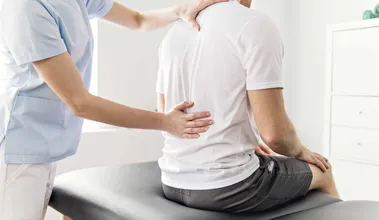
She books an initial assessment at the Bloor Street West clinic. Over about an hour, her physio:
- Talks through her pain story, job, and daily routine
- Watches her bend, sit, stand, and move
- Checks her spine, hips, and core strength
- Explains what’s likely going on — in plain language
- Starts some gentle hands-on treatment and gives her a short home routine
Weeks 1–3: Early Phase
Her sessions focus on:
- Manual therapy to ease stiff joints and tight muscles
- TENS and/or heat to calm pain when it spikes
- Simple core and hip exercises she can do at home
- Easy stretches she can fit in between Zoom calls
Sarah starts noticing:
- Less stiffness in the mornings
- Fewer sharp “grabs” when she bends
- A bit more confidence in moving around
Weeks 4–8: Rebuilding
Her program gets a little more challenging:
- Bridges, side planks, hip strength work
- More focused core control exercises
- Adjustments to her home workstation (chair height, screen position, breaks)
She’s still not perfect, but:
- She’s moving better
- She can play with her kids with less fear
- She recovers faster after a “busy day”
Weeks 8–12: Back to Living
Now the focus is on real-life tasks:
- Safely lifting her kids and groceries
- Doing housework without paying for it the next day
- Managing long sitting periods with smart breaks and posture changes
By the end of this phase, Sarah:
- Has a clear home routine
- Feels more in control of her back
- Has far fewer “bad days” than before
After 12 Weeks: Maintenance
Sarah doesn’t need weekly sessions anymore. Instead, she:
- Keeps up with her exercises
- Books a check-in at Rapharehab every month or two
By about 3 months in, she doesn’t feel like she’s “managing a condition” — she feels like she has her life back.
Why Some Treatments Don’t Work — and What Rapharehab Does Differently
You might have already tried:
- Painkillers
- Quick massages
- Random stretches from YouTube
And maybe they helped for a day or a week — then the pain came right back.
That’s usually because they:
- Treat only the symptom (tight muscle, sore spot)
- Don’t address why your back is overloaded or irritated
- Ignore posture, movement patterns, and lifestyle
- Skip the education piece, so nothing really changes long term
- Overlook the role of stress, sleep, and mood in chronic pain
Rapharehab’s approach is different. They:
- Combine hands-on treatment and exercise
- Spend time explaining what’s actually going on
- Help you change how you move, not just how you feel for a day
- Bring in mind–body tools and lifestyle strategies when needed
That whole-person approach is what makes physiotherapy so powerful for chronic back pain — when it’s done right.
Ready to Get Started? Here’s How to Begin at Rapharehab
If you’re thinking, “I’m tired of guessing and Googling; I just want a plan,” here’s your next step.
1. Reach Out
You can contact Rapharehab by:
- Phone: 647‑722‑3434
- Email: bloor@rapharehab.ca
- Address: 6 – 4335 Bloor Street West, Etobicoke, ON M9C 5S2
2. Book an Initial Assessment
This first visit isn’t just a quick look. It includes:
- A full assessment
- A clear diagnosis or working explanation
- Goal setting
- A treatment plan tailored to you
3. Choose a Plan That Fits Your Life
Your therapist will help you figure out:
- How often to come in
- What you can realistically do at home
- How to work around childcare, shift work, commuting, or other commitments
4. Do Your Home Exercises
This is where a lot of the magic happens.
Your plan will be:
- Simple enough to stick with
- Specific to your back, posture, and daily routine
5. Keep Up with Check-Ins
Even when you’re feeling much better, an occasional follow-up can:
- Catch small issues early
- Update your exercises
- Keep you on track long-term
6. Use Other Services If You Need Them
If it makes sense, your physio may suggest:
- Massage
- Osteopathy
- Acupuncture
- Spinal decompression
- Or other services in-clinic
Everything’s coordinated under one roof, which saves you time and confusion.
Why This Approach Works So Well for Etobicoke Residents
Life here has its own built-in back pain traps:
- Long drives along the Gardiner or 427
- Remote work setups at kitchen tables from Mimico to Bloor West
- Yard work, snow shovelling, and weekend house projects
- Lifting kids, groceries, and everything else that comes with family life
Having a multidisciplinary clinic right on Bloor Street West means you don’t have to trek downtown every time you need proper care. For many people in Etobicoke, that alone makes it easier to stick with treatment.
When You Should See a Doctor First
Physiotherapy is safe and effective for most people, but there are certain red flags where medical evaluation should come first or happen alongside physio.
You should seek medical attention if you notice:
- New or worsening numbness or tingling down both legs
- Loss of bladder or bowel control
- Sudden, significant weakness in your legs
- A major fall, accident, or other serious trauma
- A history of serious medical conditions (like certain cancers or infections) with new, unexplained back pain
If you’re not sure whether you should see a doctor first, your physiotherapist can guide you and refer you when needed.
Is Physiotherapy Worth It? Pros and Possible Downsides
What’s Great About Physiotherapy for Chronic Back Pain
- It’s non-surgical and grounded in research.
- It helps you rely less on painkillers.
- Your treatment is personalized to your body and your lifestyle.
- It aims to restore function, not just reduce pain scores.
- You walk away with tools to help yourself long-term.
- At Rapharehab, it’s all available locally in Etobicoke.
Things to Keep in Mind
- It takes time and effort on your part — no instant cure.
- Progress can be gradual, especially for long-standing pain.
- Depending on your insurance, some costs may be out of pocket.
- Some complex cases still need input from doctors or specialists too.
What Does “Recovery” Actually Look Like?
At Rapharehab, they don’t define success as “you never feel a single twinge again.” Real-life recovery is usually more nuanced.
They look at things like:
- Function: Can you bend, lift, sit, stand, and walk with less restriction?
- Daily life: Are you back to work, housework, hobbies, and exercise with fewer limitations?
- Sleep: Are you getting better rest, with fewer pain-related wake-ups?
- Flare-ups: Are they less frequent, shorter, or less intense?
- Confidence: Do you feel less afraid to move or lift things?
- Independence: Can you manage your back with exercises and strategies on your own?
When most of those boxes are ticked — even if you still have the odd “off” day — that’s what real recovery looks like for many people.
Final Thoughts
If you’re living with chronic back pain in Etobicoke, you don’t have to just “put up with it” or keep bouncing between quick fixes.
Rapharehab offers a thorough, compassionate, and very practical approach:
- Hands-on physiotherapy
- Smart, tailored exercise
- Education you can actually understand
- Mind–body and lifestyle support when needed
Recovery usually takes weeks to months, not days. But with a clear plan, honest communication, and consistent effort, many people see real, lasting change.
“If you’re ready to take the next step, you can reach Rapharehab at:”
Rapharehab – Physiotherapy & Massage Therapy in Etobicoke
5 – 4335 Bloor Street West, Etobicoke, M9C 2A5
647-722-3434
bloor@rapharehab.ca
They’re easy to get to from Markland Wood, The Kingsway, Islington, and surrounding neighbourhoods.